Key Takeaways
- Average wheel alignment costs $75 to $200, depending on vehicle type and alignment needed.
- Four-wheel alignments cost more but are essential for most modern cars, SUVs, and 4×4s.
- Lifted, luxury, or ADAS equipped vehicles require extra time and expertise, increasing cost.
- Proper alignment improves steering, tire life, fuel efficiency, and ride comfort.
- Regular professional alignment prevents expensive tire and suspension repairs over time.
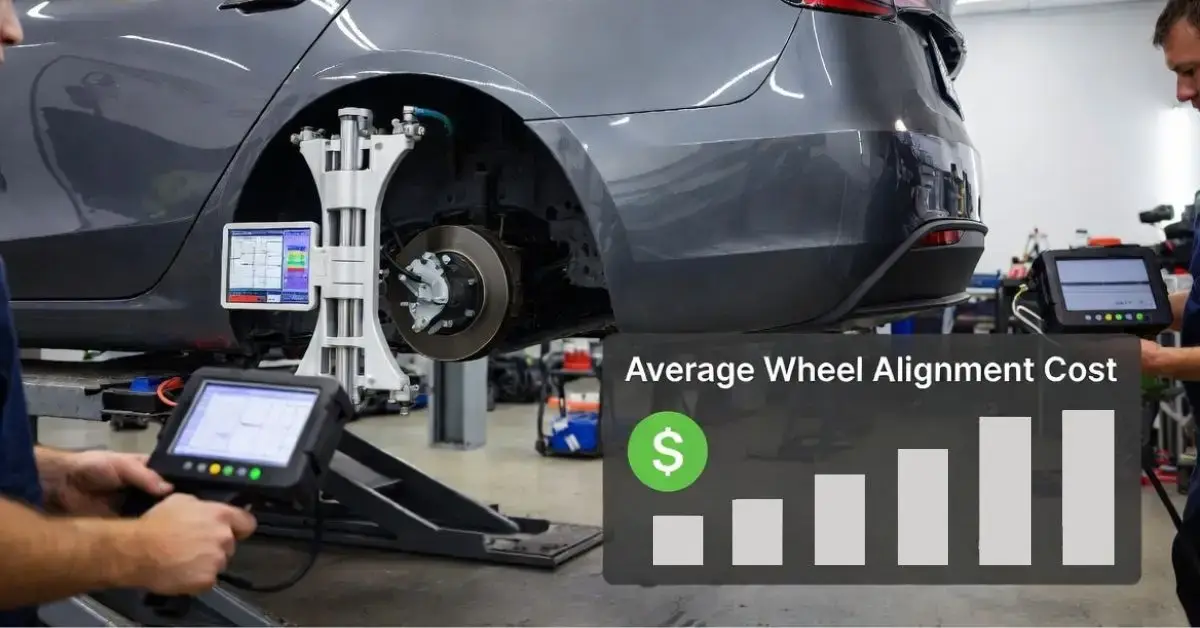
The average wheel alignment cost in 2026 ranges from $75 to $200 for most vehicles, depending on your vehicle type, suspension setup, and whether you need a front-end or four-wheel alignment. Lifted trucks and 4x4s run higher often $150 to $350+. For most cars and daily drivers, a standard four-wheel alignment falls between $100 and $175, but trucks, SUVs, and lifted 4×4 vehicles often run higher due to their more complex suspension geometry.
Understanding what affects wheel alignment pricing helps you budget wisely and avoid overpaying. Factors like vehicle type, suspension condition, lift kits, and Advanced Driver Assistance Systems (ADAS) calibration all influence the final cost. Whether you’re searching for a car alignment cost, truck alignment cost, or front-end alignment cost, knowing the price ranges upfront means no surprises when you get the bill.
At Gresham 4 Wheel Drive, we provide professional wheel alignment for daily drivers, trucks, Jeeps, and lifted 4×4 vehicles across Gresham and the greater Portland, Oregon area with transparent pricing and a before-and-after spec printout on every job.
What Is Wheel Alignment and Why Does It Affect the Cost?
Wheel alignment is the process of adjusting your suspension so your wheels sit at the exact angles the manufacturer specifies. Three angles matter: camber, caster, and toe. Together, they control how your tires meet the road and how your vehicle handles. When everything is aligned, your vehicle tracks straight, your steering feels sharper, and your tires wear evenly.
Here’s the thing about alignment pricing: no two jobs are exactly the same. The adjustment is complicated by a number of factors, which include the design of the vehicle, the condition of the suspension, and the type of wheels. For example, a two-wheel (front-end) alignment is usually cheaper than a full four-wheel alignment, which adjusts all four corners. Vehicles with independent rear suspension, advanced steering systems, or modified setups like lifted trucks and off-road rigs take more time, specialized tools, and an experienced technician, which raises the cost.
Modern vehicles with Advanced Driver-Assistance Systems (ADAS) often need sensor recalibration after an alignment, which adds to the price. Worn or bent suspension parts, or tires in poor shape, add labor time, because the technician has to address those issues before the alignment will hold. That is why the average price of wheel alignment may be different in this case between one vehicle and another: what you actually buy is accuracy, experience, and the preservation of your tires and the suspension system in the long run.
Also Explore: Is Wheel Alignment Worth It? What Happens If You Skip It
How Does Wheel Alignment Affect Vehicle Performance?

Alignment isn’t just routine maintenance; it affects how your vehicle drives every single day. Even a small misalignment can hurt steering accuracy, tire wear, fuel economy, and overall safety. Whether you drive a compact car, an SUV, or a lifted 4×4, correct alignment keeps your vehicle performing the way the manufacturer intended. Potholes, curb hits, and everyday road wear can knock your wheels out of position over time, which is why regular alignment checks matter.
Improves Steering Control and Handling
Proper alignment makes your vehicle respond accurately to your steering. When your wheels are set correctly, the steering wheel sits centered, and your vehicle won’t pull to one side. The result is easier handling, better cornering stability, and more confidence behind the wheel — especially at highway speeds or on rough roads.
Explore: Why Your Steering Wheel Still Crooked After Alignment
Extends Tire Life and Enhances Traction
When all four tires are properly aligned, each one makes even contact with the road. This prevents uneven or premature tire wear and improves overall traction. Well-aligned tires grip better during acceleration, braking, and turns, reducing the risk of skidding or losing control.
Increases Fuel Efficiency
Misaligned wheels create extra rolling resistance, forcing your engine to work harder to move the vehicle. Correct alignment reduces unnecessary drag so your vehicle moves more efficiently. Over time, that adds up to noticeable fuel savings and better on-road performance.
Enhances Ride Comfort and Stability
A properly aligned car will have a better driving experience with less vibration and road noise. It also improves handling on highways and rough roads, especially for SUVs, trucks, and lifted 4x4s.
Improves Overall Vehicle Safety
Properly aligned wheels directly affect your braking and how predictably your vehicle behaves in an emergency. A correctly aligned vehicle responds better to sudden maneuvers and stays more controlled in wet or slippery conditions which is why alignment is a real safety factor.
Explore More: Difference Between Wheel Alignment and Wheel Balancing Guide
How Much is a Wheel Alignment: Numbers You Should Know
The average cost of wheel alignment in 2026 may differ according to a number of factors. If you are wondering how much does an alignment costs, knowing the average price range can help you budget for this essential maintenance service. In most cases, a professional wheel alignment costs between $75 and $200. The exact price depends on whether you need a front-end (two-wheel) alignment or a full four-wheel alignment, and on your vehicle’s suspension.
A front-end (two-wheel) alignment typically costs $75 to $125 and suits older vehicles with a solid rear axle. Most modern cars, SUVs, and trucks need a four-wheel alignment, which costs $100 to $200 because all four wheels are adjusted. Vehicles with independent rear suspension, advanced steering, or modifications like lifted trucks and off-road builds sit at the upper end of this range.
Other factors may affect the ultimate price. Premium cars, sports cars, and vehicles with ADAS (Advanced Driver-Assistance Systems) may need extra calibration, which increases labor time and cost. Should there be any worn parts, bent parts, or uneven wear of the tire during the process of alignment, some repair may be necessary before the appropriate alignments can be made, and this will add to the cost.
The prices may vary depending on where you are and which service provider you are with, but these figures will allow you to avoid overpricing and understand the need to be properly aligned. Spending on the average cost of wheel alignment will be a wise investment because it will save your tires, enhance the handling of the car, and save you a lot of money down the line.
Camber Adjustment Cost: When It’s Separate from Alignment
Camber is the vertical tilt of your wheel when viewed from the front, one of the three angles (camber, caster, toe) adjusted during a standard alignment. For most vehicles with stock suspension in good condition, camber correction is included in the alignment cost at no extra charge. It becomes a separate cost when suspension parts are worn or damaged, when a lift or lowering kit has pushed camber beyond the factory adjustable range, or when aftermarket camber correction kits are needed. This is where the wheel camber cost can increase beyond a standard alignment service. If your truck or SUV has any suspension modification, always ask your technician upfront: “Is my camber within adjustable range?” This one question can save you from unexpected charges on your final bill.
| Situation | Estimated Cost |
|---|---|
| Aftermarket camber correction kit (parts only) | $50 – $200 per axle |
| Labor for camber kit installation + alignment | $150 – $350 total |
| Suspension repair is needed before the camber fix | $200 – $600+ depending on parts |
Truck & SUV Alignment Cost: What to Expect
Truck alignment cost is consistently higher than passenger car alignment, and for good reason. Trucks, SUVs, and 4×4 vehicles have heavier suspension systems, larger wheel assemblies, and in many cases, modified setups like leveling kits or lift kits that require specialized equipment and more hands-on adjustment time.
Here’s what to expect for truck and SUV alignment cost in 2026:
| Vehicle Type | Alignment Cost Range | Notes |
|---|---|---|
| Standard Pickup (F-150, Silverado, Ram 1500) | $90 – $160 | 4-wheel alignment recommended |
| Full-Size SUV (Tahoe, Expedition, Suburban) | $100 – $175 | Larger suspension geometry takes more time |
| Midsize Truck (Tacoma, Colorado, Ranger) | $85 – $150 | Similar to passenger car pricing |
| Diesel / Heavy Duty Truck (F-250, Ram 2500) | $120 – $200 | More complex suspension, higher labor time |
| Lifted Truck (2″ – 4″ lift kit) | $150 – $280 | Requires caster and camber compensation |
| Lifted Truck (4″+ lift, custom suspension) | $200 – $350+ | May require adjustable UCAs, specialist shop |
| Leveling Kit Installed | $130 – $220 | Alignment is required immediately after installation |
Why does truck alignment cost more than a car?
Three main reasons:
- Weight and size: Larger suspension components take longer to adjust and require heavier-duty alignment racks
- 4-wheel complexity: Most trucks need four-wheel alignment, not just front-end, because all four wheels carry a significant load
- Lift and leveling kit aftermath: If your truck has any suspension modification, standard factory alignment specs no longer apply. A technician must calculate new target angles based on your specific lift height a process that takes additional time and expertise
Important: If you’ve recently installed a leveling kit or lift kit, alignment isn’t optional; it’s critical. Running a modified truck without realigning will cause rapid, uneven tire wear and can create unpredictable handling. At Gresham 4 Wheel Drive, we specialize in truck and 4×4 alignment for both stock and lifted vehicles across the Gresham, Oregon area.
Factors That Can Impact The Cost Of Wheel Alignment
Wheel alignment prices aren’t fixed they vary based on your vehicle, your driving conditions, and the services you need. Knowing the main aspects determining prices will help you to estimate the average cost of wheel alignment more closely and prevent unforeseen costs.
Type of Wheel Alignment (Two-Wheel vs Four-Wheel)
The nature of alignment required on your vehicle is one of the most significant cost considerations. A two-wheel (front-end) alignment is typically less costly since the front wheels are the only ones to be adjusted. A four-wheel alignment adjusts all four wheels, takes more time and precision, costs more, and is what most modern vehicles need.
Vehicle Type and Design
The make and model of your car have a big influence on the pricing of alignment. Most compact vehicles tend to be cheaper when it comes to alignment, and SUVs, trucks, and 4×4 models tend to be expensive because of their size, weight, and complicated suspension systems. The luxury and performance cars also might need special equipment, which will raise the labor expenses.
Suspension Condition
Suspension parts that have been worn or damaged (ball joints, tie rods, or control arms) may increase the cost of the alignment. Technicians are required to maintain these parts and repair or replace them, and then do a proper alignment, which increases labor and parts to the end product.
Lifted or Modified Suspension
Vehicles with lift kits, leveling kits, or aftermarket suspension modifications are among the most complex to align properly. These setups change factory suspension geometry, requiring a skilled technician to compensate for altered caster and camber angles, which takes additional time and specialized equipment. Truck alignment cost for lifted vehicles typically runs $150 to $350, higher than a standard alignment, but necessary to prevent accelerated tire wear and maintain safe handling.
Advanced Driver Assistance Systems (ADAS) Calibration
Modern vehicles with ADAS features, such as lane-keeping assist, automatic emergency braking, adaptive cruise control, or blind-spot monitoring, use cameras and sensors calibrated to factory wheel positions. After alignment, these systems may require recalibration to function accurately, adding $150 to $500 to your total cost, depending on the vehicle. Always ask your service center upfront whether ADAS recalibration is included or billed separately.
Location and Service Provider
The price of alignment depends on your geographic location and the store you select. For example, choosing a 4WD shop near Interstate 84 Gresham may result in different pricing compared to standard auto repair centers. Independent service centers are usually cheaper than dealerships, while specialty performance and off-road shops charge more for their expertise and equipment.
Warranty or Alignment Packages
Some shops offer lifetime alignment plans or warranties for a higher upfront fee. This raises the initial cost, but can save money long-term if you need frequent realignments due to rough roads or vehicle modifications
Also Explore: How Often to Get Wheel Alignment to Protect Your Tires
How Professional Wheel Alignment Saves You Money Over Time
A Professional wheel alignment may seem like an unnecessary expense, but it saves you money over time. When your tires are properly aligned, they wear evenly, extending their life and reducing costly replacements. Misalignment causes uneven tire wear, forcing you to replace tires early often at a cost of hundreds of dollars.
A professional alignment also improves fuel efficiency. Wheels that are out of line cause additional rolling resistance, and this makes your engine work more and burn more fuel. This will eventually result in increased fuel bills, which are likely to offset the price of alignment service.
Also, properly-aligned wheels cause less strain on the suspension and steering mechanisms. Disregarding the problems in alignment may cause the shocks, struts, etc, to be worn out, leading to high-cost repairs. By keeping your vehicle well aligned, you might save your tires, but also your suspension and steering system, and eventually, you will save money and make your vehicle safer and more reliable.
Professional alignment is a long-term vehicle maintenance investment, which will allow you to not spend money on repeated repairs, improve performance, and stretch the lifespan of the major components.
Conclusion of Average Wheel Alignment Cost
Wheel alignment is one of the most cost-effective maintenance services you can invest in for your vehicle’s long-term health. With costs ranging from $75 for a standard front-end alignment to $350+ for lifted trucks with complex suspension setups, knowing what your specific vehicle needs prevents you from overpaying or underpaying for a service that won’t hold.
Whether you’re comparing car wheel alignment price, truck alignment cost, or trying to understand whether camber adjustment is included in your quote, the key is working with a shop that gives you straight answers and accurate specs, not guesswork.
At Gresham 4 Wheel Drive, we provide professional wheel alignment near me for daily drivers, trucks, Jeeps, and lifted 4×4 vehicles in the Gresham and Portland, Oregon area. Every alignment includes a before-and-after printout so you can see exactly what was adjusted and confirm the job was done right.
Whether you drive a daily commuter, an SUV, or a lifted 4×4, proper alignment keeps your vehicle running efficiently, safely, and smoothly. With the help of timely alignments with seasoned technicians, you are able to feel better on the road, avoid unnecessary repair expenses, and make the most of each mile on the road.
📞 Call us at 503-400-7646 or stop by for a free alignment estimate, no pressure, no surprises.
FAQs
Q: How much does it cost to fix steering wheel alignment?
The cost depends on your vehicle and the shop, but a front-end (two-wheel) alignment typically averages $75 to $125, while a full four-wheel alignment runs $100 to $200. The price can go up if your vehicle has specialized suspension or needs additional repairs first. Getting the alignment corrected prevents uneven tire wear and improves both handling and safety.
Q: What are the signs your car needs alignment?
The most common signs of the fact that your car needs an alignment are the vehicle drifting off the road to one side whenever driving, the steering wheel failing to center when driving straight, the tires wearing in an uneven manner, the tires wearing too quickly, and the steering wheel vibrating unusually. These signs are important to observe as they may compromise handling, fuel efficiency, and cause tires and other suspension parts to wear faster. Thus, as long as it is safe to drive, it is important that the problem of alignment is effectively addressed to ensure smooth driving.
Q: Can bad alignment damage tires or suspension?
Yes, bad alignment can cause significant damage to both tires and suspension over time. Misaligned wheels create unequal forces on tires that cause a quick and/or uneven wear of tires, loss of traction, and needless replacement. It may also put strain on the suspension parts like shocks, struts, and bushings, and this may lead to expensive repairs, lack of proper handling and comfort, and a poor ride. The alignment check is also necessary regularly to ensure your tires and the suspension system will last longer.
Q: What is camber adjustment, and is it included in wheel alignment?
Camber is the vertical tilt angle of your tire when viewed from the front, adjusted as part of a standard alignment at no extra charge for most stock vehicles. It becomes an additional cost when your suspension is lifted, lowered, worn, or damaged beyond the factory adjustable range, requiring aftermarket correction kits ($50–$200 per axle) plus extra labor. Ask your technician upfront whether your camber is within the adjustable range before any work begins.
Q: How much does a front-end (2-wheel) alignment cost?
A front-end (two-wheel) alignment typically costs $75 to $125 and adjusts only the front two wheels — best suited for older vehicles with a solid rear axle. Most modern cars, SUVs, and trucks need a full four-wheel alignment ($100 to $200) instead. If you’re not sure which your vehicle needs, a technician can check your suspension setup before any work is done