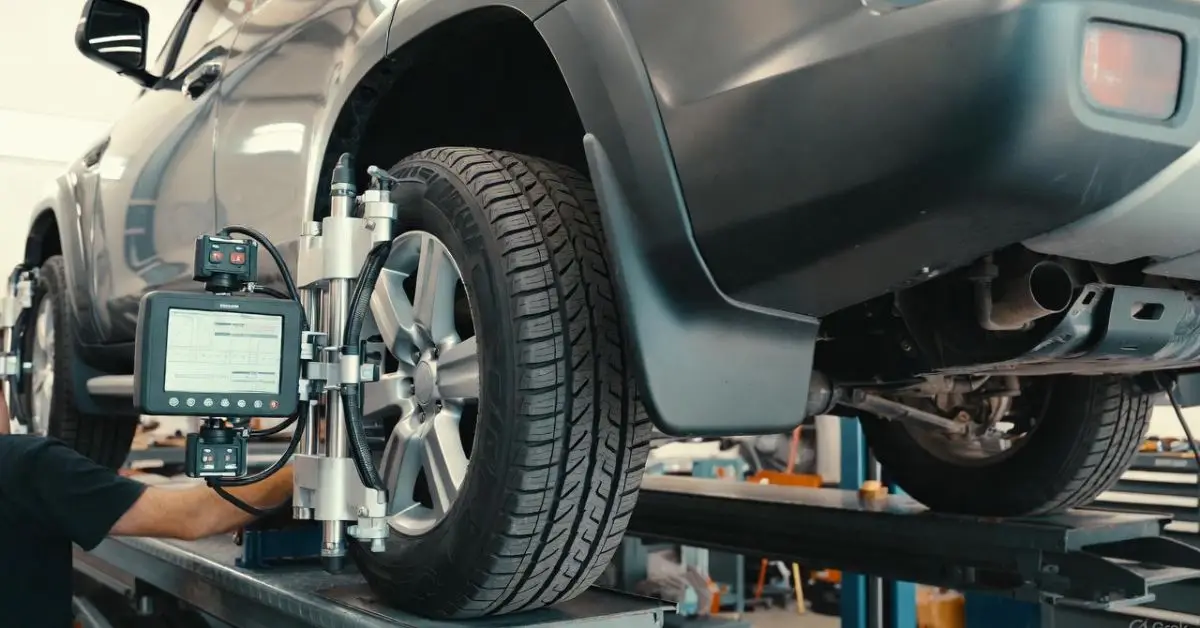
Wheel alignment is the most important for the life, performance and safety of your car. The majority of drivers do not pay much attention to the alignment until they realise that the tyres are not evenly worn off or the steering wheel is not working properly, and the low fuel consumption can be prevented by a regular check-up. If you’ve ever wondered how often to get wheel alignment, you’re not alone. Factors that will inform when your car will need an alignment are driving behaviour, the condition of the roads and other factors, including the wear of the suspension, among others.
By this, you may learn to change the wheels when the wheels give you smoother rides, better handling and ultimately the life of the tyres. We are going to look at professional advice in this guide, the symptoms that your wheels are not in balance, and how to take care of your best performance.
What Wheel Alignment Really Is
Tire alignment, or steering alignment, is a process of positioning the angles of the wheels in your car in accordance with the specifications of the manufacturer. The best way to make the most out of your tyres is to make sure that the tyres are correctly positioned on the road, which improves your performance, stability and makes them durable. Misalignment of wheels can lead to uneven tyre wear, inefficiency, and unsafe driving.
When aligning wheels, three major angles are adjusted:
- Camber: This is the inclination of the tyres when seen in front or behind the car. The camber is done properly so that the tyres wear equally on the tread.
- Toe: This is the dressing in which the tyres face the centerline of the vehicle. Improper toe position may result in tyres shining against the road and hence early wear of tyres.
- Caster: This is the angle of the steering pivot and impacts on vehicle stability and steering control.
The knowledge of what exactly wheel alignment is will make the drivers understand why they should have their wheels checked regularly. The performance, safety and life of the tyres could be severely affected by any minor deformations in these angles. To the question which can arise concerning the frequency with which the wheel alignments should be made, it will be worth considering those factors which can influence the alignment of the wheel, including the state of the road and the wear of the suspension, and the replacement of the tyres, which can also influence the alignment.
Wheel alignment is not only about comfort, but also about safety and cost-efficiency. Because of regular check-ups, you save on the uneven wear and tear of tyres, save on fuel usage, and have an easy time operating your car.
Explore More: Average Wheel Alignment Cost: What You Need to Know
What Can Happen to You When You Ignore the Wheel Alignment?
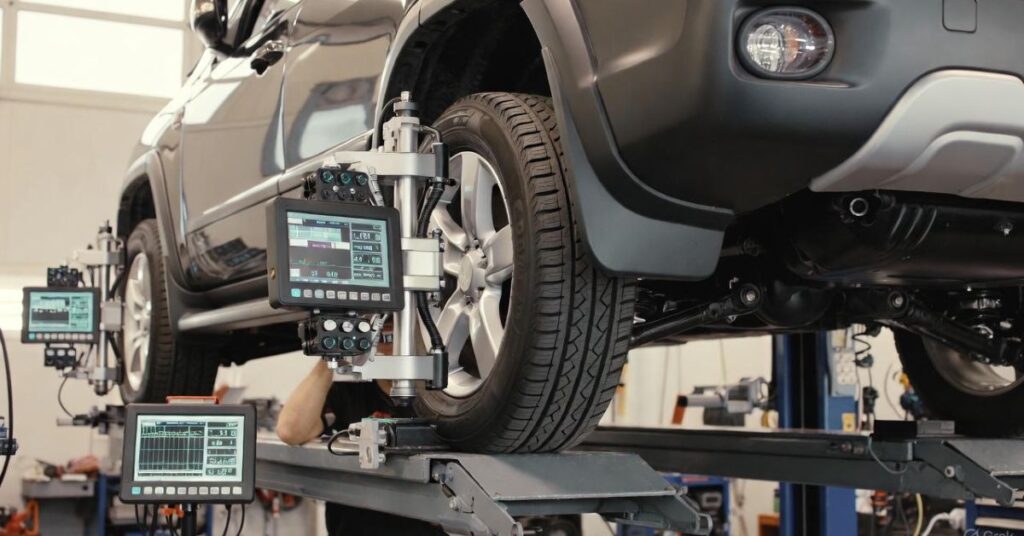
Wheel alignment is a critical aspect that should not be overlooked because if not taken care of over time, your car may experience a variety of expensive and life-threatening issues. Although it might appear as a trifle matter, incorrect alignment of wheels not only harms your tyres, but also your car’s safety, performance, and overall durability.
The following is what may occur in the case of not aligning the wheels:
- Uneven Tire Wear: Once the tyres are out of position, they wear out unevenly and in some areas, the tread wears faster than in others. This not only reduces the life of your tyres, but also increases the possibility of a tyre bursting.
- Bad Handling/ Steering Problems: The misalignment affects the steering of your car. One can have a car drifting on one side or have the steering wheel on the left when straight, and have inadequate steadiness when making turns. This makes driving unsafe and stressful.
- Increased Fuel consumption: Your engine will be struggling hard to move the vehicle when your wheels are not in the correct position. This leads to increased consumption of fuel and increased spending in the long term.
- Suspension and Component Breakage: It is an unremitted stress on the parts of the suspension, bearings of the wheels, and steering of the steering mechanisms as long as one is continuously in motion. This could be very expensive in the long run in terms of repairs.
- Uncomfortable Driving: In case there is a misalignment, then that will cause vibrations, uneven braking and a rough ride, compromising the comfort and control.
The scheduled nature of the wheel checks is necessary to prevent such issues. Understanding the number of times you should have your wheels aligned will assist you in avoiding early tyre wear, optimum vehicle handling, and even save money in the long-term repair.
Also Read: Does Wheel Alignment Affect Steering? Find Out Why!
Clear Signs When a Wheel Alignment is Necessary
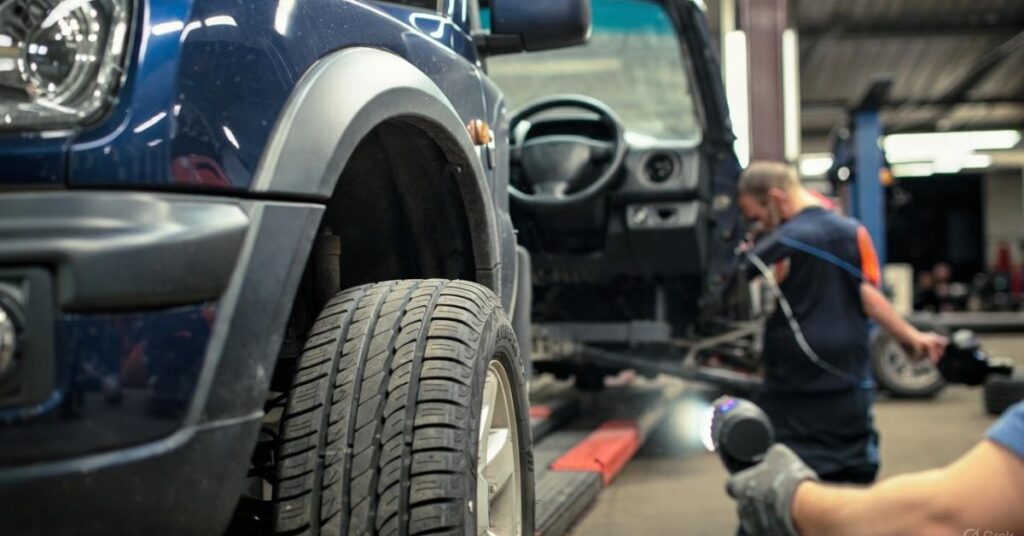
Being aware of the frequency of wheel alignment is the biggest step towards ensuring that your car is safe, performs well, and the tyres last longer. Although most manufacturers suggest that the check in 6,000 to 12,000 miles is advised, the frequency may actually depend on the driving conditions, the quality of the road you are driving upon, and the type of vehicle you have. Periodic prediction guarantees easy control, even tyres, and maximum fuel efficiency.
Although your vehicle may not be at the normal mileage time, there are symptoms that you need to have a wheel alignment:
Uneven Tire Wear
When you discover that your tyres are not wearing evenly, i.e., one side of the wheel is wearing faster than the other, then you are well aware that your wheels are not at a correct angle to each other. Misalignment causes the tyres to be uneven in contact with the road, causing one side of the tread to wear off at a higher rate. This not only minimises the life span of your tyre with time, but can also affect your handling, braking, and your safety in general.
To illustrate, when a car has too much camber misalignment, it is possible that it will exhibit more wear on the inner side of the tyres. Aligning tyres early on will help avoid premature replacement of tyres and make the tread wear even and consistent.
Vehicle Pulling to One Side
In case a person is driving on a straight road and sees that there is a car that is drifting to the left or right, it is normally a sign that there is a misalignment of the wheel. This issue can make it difficult to control your car, especially when operating your car on the road or on wet roads at higher speeds. Pulling on the side can also leave the driver tired because you are always compelled to strain the steering in order to maintain a straight course. It is usually brought about by poor toe placement or asymmetrical suspension wear. Immediate wheel alignment not only rectifies the pull but also enhances road behaviour and general safety when driving.
Steering Wheel Off-Centre
It is a sign that your steering wheel is not straight as you are driving in a straight direction, and you have to confirm that you have adjusted your wheel alignment. This happens when the steering geometry is not parallel to the front wheels or not parallel to the steering wheel. An improperly adjusted steering wheel may cause the corners to feel clumsy and make it hard to control in case of an emergency, as well as cause tyres to wear unevenly. Such misalignment can be a few degrees and can have a great effect on vehicle handling. Professional alignment will make the car run in a straight line without having to turn the steering wheel to make it straight.
Vibrations While Driving
Misaligned wheels may also be possible, which causes vibrations in the steering wheel, the pedals, or even the entire body of the car. This kind of vibration is normally felt when one is travelling at certain speeds, and this serves as a pointer that the tyres are not moving at a uniform rate on the road. This does not just make the driving experience ambiguous, but it can also cause a lack of control and tension in the suspension components. The tyre pressure in the wheel should also be adjusted frequently in order to keep the tyres in contact with the road to avoid vibrations, improve comfort, and stability of the car.
Squealing Tires
Squealing tyres during normal operation can be a pointer to misalignment, lack of pressure, or improper wheel angle. Squealing takes place typically when tyres are pressed to drag over the road surface rather than travelling over it in a smooth manner, as can be experienced with toe or camber misalignment. Disregard of squealing tyres may hasten tyre treads, decrease traction, and cause unsafe driving circumstances. The proper alignment of the wheels reinstates the most appropriate tyre alignment and eliminates squealing, giving a safer and quieter ride.
Having these signs, you will manage to book a wheel alignment before the situation worsens. Regular maintenance and attention to such red flags will keep you at peak performance, achieve good fuel efficiency, and have long tyres.
Also Know About: Difference Between Wheel Alignment and Wheel Balancing Guide
Benefits Of Getting Your Vehicle Wheel Alignment
Wheel alignment often has several benefits, and they are not only in the context of your tyres, but also in the context of your car overall, and also in regard to safety. These advantages will make you realise why it is essential to know how many times to get your wheels aligned.
- Long Lasting Tire Life: Good alignment means that the tyres wear evenly, and this prolongs their life, and you save the expenses of replacement tyres.
- Improved Fuel Economy: Having the wheels straight, your car rides well, and your engine does not have to labour, thus making your car have good gas mileage.
- More Stable and Safer: Correct alignment will ensure that your car is stable, more responsive, and easy to manoeuvre, especially as you make turns or unexpected manoeuvres.
- Reduced Stress to Suspension: Mismatched wheels can cause stress to the suspension components, and through alignment, the wear is minimised, and the repairs are not costly.
- Very Good Driving Analysis: When the wheels are in place, there is no vibration, pulling, or uneven braking, and all rides will be smoother.
- Tire Damage Prevention: Alignment prevents the occurrence of flat spots, cupping, or other forms of tyre deformations due to uneven pressure.
- Reduced Maintenance Expenses: Alignment lowers the expenses spent on the repair of the vehicle over the long run by avoiding uneven wear and strain on the vehicle components.
Performing frequent observations of your wheel alignment is the key to the greatest benefits. The frequency of getting wheel alignment determines the best performance, safety of a vehicle, as well as the life of the tyres.
Explore: Is Wheel Alignment Worth It? What Happens If You Skip It
How Professional Wheel Alignment Saves Money Long-Term

Having your wheels aligned professionally can appear to be an unnecessary cost in the immediate short run, but it can save you a lot of money in the long term. Wheels that are not properly aligned mean that the tyres wear unequally, the car does not run with the correct level of fuel consumption, and the suspension of the car is overworked; this may cost you a lot of money to fix. The benefits of professional alignment in saving are as follows:
- Minimises Early Tire Change: Correct alignment will guarantee even wear on your tyres, and your tyres will last longer. By preventing premature changeovers, you can save hundreds of dollars during the period that your vehicle will be in use.
- Makes You Fuel Economical: When wheels are not on track, your engine will have to work harder and burn more fuel. Frequent alignment ensures your car is rolling smoothly, saving on fuel expenditure.
- Avoids Suspension and Steering Damage: Misalignment causes strains on the suspension parts, ball joints, and steering systems. Professional alignment ensures there is less friction on these parts, hence avoiding costly repairs.
- Prevents Secondary Damage Repairs: When Wheel alignment is not taken seriously, a vehicle may experience secondary damage that results in other problems, such as braking unevenly or straining the drive train. At the initial stages, alignment is taken care of before it leads to a chain reaction of expensive vehicle issues.
- Extends Vehicle Life: When everything counts, all the parts of your car are in place, which allows your vehicle to serve longer, and you save money on significant repairs.
- Saves Time and Frustration: Professional alignment will also save time as well as frustration, besides the monetary benefit of not having to deal with inconvenient breakdowns or four flats that could disrupt a normal life.
Being aware of the frequency of wheel alignment and having faith in the professionals in order to do the job would ensure that your vehicle is secure, efficient, and economical in the long term.
Also Explore: How to Choose Between a Leveling Kit or Suspension Lift
Wheel Alignment with Gresahm
At Gresham 4 wheel drive, we realise that the right alignment of wheels is very important to the safety, performance, and the life of your vehicle. Our professional staff applies the latest equipment and accurate methods to make sure that all wheels are in line with the specifications of the manufacturer. Regardless of the type of car, be it a normal car, SUV, or 4X4, our wheel alignment services will ensure that your ride is smooth, stable, and efficient.
Why should Gresham be the choice of Wheel Alignment?
- Expert Technicians: Our highly trained employees have vast experience in wheel alignment, transfer inspection, and car diagnostics.
- High Tech Alignment Technology: Our technology is based on the latest laser-guided and computer-assisted alignment technology that would produce accurate results.
- Adjusted to Your Car: If alignment is wrong, it will change with your car model, your driving, and the conditions of the road.
- Preventive Maintenance: The frequent inspections of the alignment with Gresham will be aimed at avoiding uneven tyre wear or tear, steering problems, and expensive suspension maintenance.
- Better Handling: Correct alignment means a higher fuel economy and better handling.
At Gresham, we do not simply straighten wheels; we maximise the performance of your vehicle, and we keep your investment safe. Being informed of the frequency of wheel alignment procedures and the selection of professional services, such as our services, will ensure your automobile remains safe, efficient, and reliable in all your trips.
Conclusion: How Often to Get Wheel Alignment
Wheel alignment is not just another routine maintenance procedure; it is an essential element in maintaining your car safe, efficient, and long-lasting. Understanding how often to get wheel alignment and recognising what to look out for in cases of misalignment can help you prevent unequal wear on your tyres, increase fuel consumption, and handle, and you can save some money on repairing your car at high costs.
When you select professional services such as Gresham 4 Wheel Drive, you will make sure that all the alignments are done carefully, on the basis of advanced technology, which suits the requirements of your vehicle. The SUVs and 4X4s are similar to the daily cars, with smooth driving and vehicle safety.
Do not languish till things fall out of line. Get your wheels aligned and have a safer, more efficient, and comfortable ride. It will keep your tyres and your wallet cleaner.