Key Takeaways
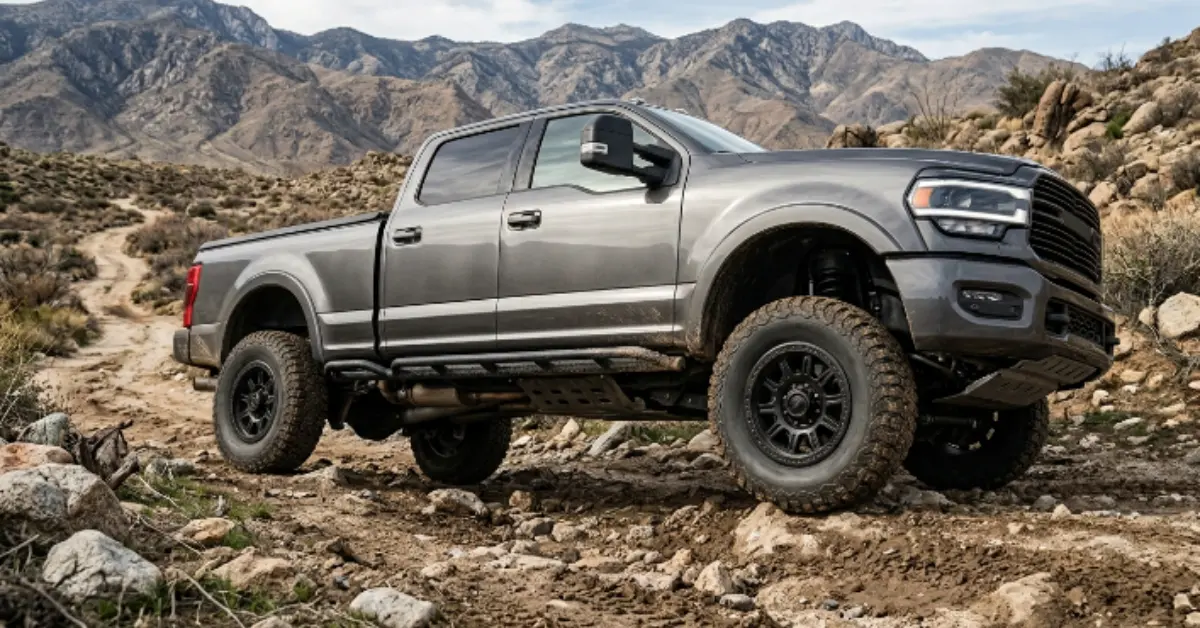
- Running boards are built for convenience and easy entry, while rock sliders are built to protect your truck’s body from real off-road impact.
- Running boards bolt to the body and use lighter materials, while rock sliders are frame-mounted using heavy-gauge steel or aluminum, letting them handle real trail impact.
- A lift or larger tires can affect ground clearance and step height, making rock sliders the safer pairing to avoid scraping or losing clearance.
- Many owners assume both products offer similar protection, but non-frame-mounted sliders or low-hanging boards can lead to damage or wasted money.
- Daily drivers do fine with running boards, while trucks that see real off-road use need the extra protection and durability of rock sliders
Quick Answer: Running boards vs rock sliders depends on how you use your truck. Running boards are best for daily driving because they provide an easy step and improve appearance. Rock sliders are better for serious off-roading because they are frame-mounted and designed to protect rocker panels from rocks, logs, and other obstacles. If you mainly drive on paved roads, choose running boards; for rugged trails, rock sliders offer stronger protection.
I’ve lost count of how many trucks roll into Gresham 4 Wheel Drive with crushed rocker panels or bent side steps that did nothing when it actually mattered on the trail. Almost every time, the owner tells me the same thing: they picked the wrong side protection for how they actually drive.
That’s the real problem with the running boards vs rock sliders debate. Most people choose one or the other based on looks or price, without asking what their truck actually needs. The truth is, running boards and rock sliders solve two completely different problems; one is built for convenience and curb appeal, the other is built to take a hit and keep your truck’s body intact.
In this guide, I’ll walk you through how running boards and rock sliders differ, what each one is actually designed to do, and how to pick the right one for your truck and the way you drive. By the end, you’ll know exactly what belongs under your doors and why.
What Are Running Boards?
Running boards are the long, narrow steps mounted under the doors of your truck or SUV. Their main job is simple: they give you and your passengers a stable step to get in and out easily, especially if you’re driving a lifted or larger vehicle. At Gresham 4 Wheel Drive, our best services team sees running boards go on trucks mostly for convenience and looks, not off-road protection.
Most running boards are made from aluminum, molded plastic, or lightweight steel. Common styles include flat molded boards, tube-style side steps, and retractable running boards that fold out only when a door opens. Some even come with rubber grip pads or LED lighting for a cleaner finish.
Because they bolt onto the body rather than the frame, running boards aren’t built to carry the full weight of your vehicle. Drive over a curb or rock, and they can bend or tear off. That’s why they work best for daily drivers and family trucks that mostly stay on paved roads, not serious trail rigs.
What Are Rock Sliders?
Rock sliders, also called rock rails, are heavy-duty steel or aluminum bars mounted directly to your truck’s frame, running between the front and rear wheels. Unlike running boards, they’re built to take a hit. As part of our installation service at Gresham 4 Wheel Drive, we recommend them to anyone who actually wheels their truck on rocky or uneven terrain.
Their whole purpose is protection. If your rocker panels or lower body get caught on a boulder, log, or ledge, rock sliders let your truck “slide” off the obstacle instead of getting hung up or crushed. Many also include a “kick-out” section, which adds extra coverage for your rear quarter panels or bed area.
Because they’re frame-mounted, rock sliders can support the full weight of your vehicle; some drivers even use them as a jacking point on the trail. They’re heavier and pricier than running boards, but for serious off-roaders, that trade-off is worth every penny.
Compare nerf bars vs. running boards to understand the differences in design, protection, accessibility, and everyday use.
Running Boards vs Rock Sliders: What’s the Difference?
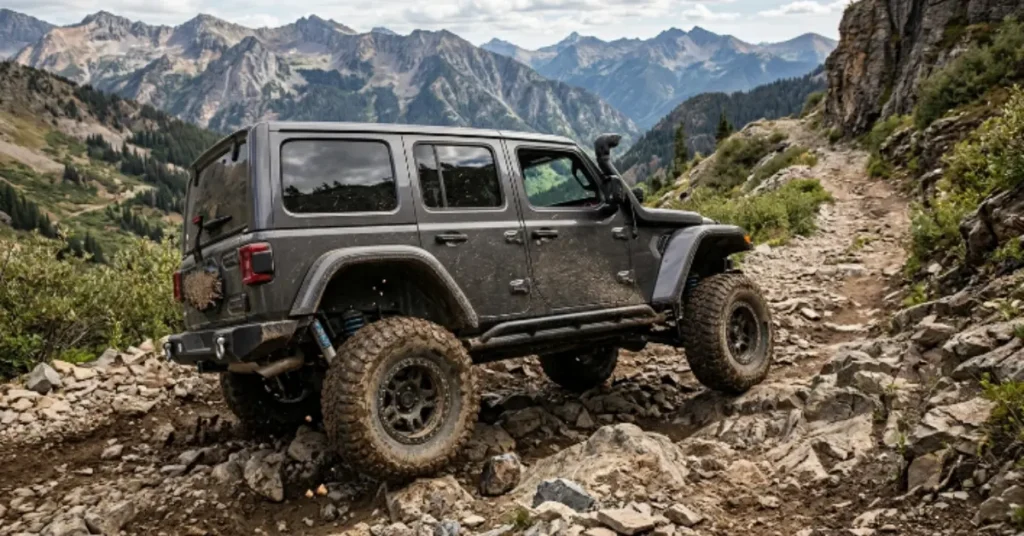
Once you understand what each accessory is built for, the differences between running boards vs rock sliders become pretty clear. It comes down to material, mounting, strength, and what you actually need your truck to handle. Let’s break down the biggest contrasts so you can see exactly where each one fits.
1. Material and Build Quality
Running boards are usually made from lightweight aluminum, molded plastic, or thin-gauge steel, which keeps them affordable and easy to install. This lighter construction is great for keeping cost down, but it also means they’re not built to take a hard hit. Manufacturers focus more on finish and appearance here than raw strength.
Rock sliders, on the other hand, use heavy-gauge steel, aluminum, or chromoly, built specifically to absorb impact without bending. This difference in materials is exactly why one survives a rocky trail, and the other doesn’t. It’s not a small gap either; rock sliders can weigh two to three times more than running boards because of this heavier build.
2. Mounting and Strength
Running boards typically bolt onto the vehicle’s body, which limits how much weight and force they can safely handle. Because they’re not tied into the frame, sudden impacts or heavy loads can cause them to crack, bend, or pull loose over time. This makes them fine for stepping in and out, but risky for anything beyond that.
Rock sliders are welded or bolted directly to the frame, giving them the strength to support the full weight of your truck. That frame-mounted design is what allows rock sliders to double as a jacking point during trail repairs. Running boards were simply never engineered with that kind of structural load in mind.
3. Protection Level
Running boards offer little to no protection against rocks, logs, or trail obstacles, and can even get damaged by something as simple as a curb. Their thin materials and body-mount design mean they absorb very little impact before failing. For daily driving, that’s rarely an issue, but it becomes a real problem off-road.
Rock sliders are designed to shield your rocker panels and lower body from real impact, letting your truck slide over obstacles instead of catching on them. If off-road protection is the goal, rock sliders are really the only accessory built for that purpose. Running boards simply weren’t designed with trail damage in mind.
4. Ground Clearance Impact
Some running boards hang low enough to reduce your truck’s ground clearance, which can actually work against you off-road. A board that looks great in the driveway can end up scraping rocks or dragging on uneven trails, undoing the benefit of a lift kit or larger tires.
Rock sliders sit tighter to the body and are shaped to avoid catching on obstacles, preserving your approach and departure angles. This makes rock sliders a smarter choice if you’ve already lifted your truck or upgraded to larger tires. Running boards, in that same scenario, can end up doing more harm than good.
5. Price and Value
Running boards are generally the more budget-friendly option, which makes sense given their simpler materials and construction. For someone who just wants an easier step up and a cleaner look, that lower price often makes perfect sense.
Rock sliders cost more upfront, but that price reflects the durability and protection you’re paying for. If you spend real time off-road, rock sliders quickly justify the extra cost through fewer repairs and longer-lasting protection.
Types of Running Boards to Consider
Not all running board types are built the same way, and picking the right style can make a real difference in comfort and looks. Some prioritize convenience, some focus on appearance, and others try to balance both. Here’s a quick look at the most common types you’ll come across.
- Molded Running Boards: These are flat, one-piece boards that bolt directly under the doors, offering a clean and simple look. They’re durable for daily use and usually the most affordable option available.
- Tube-Style Side Steps: Shaped like round tubes, these boards give a rugged, aftermarket appearance while still functioning as a step. They’re popular on trucks and SUVs that want a tougher look without full rock slider protection.
- Retractable Running Boards: These boards stay tucked under the vehicle and only extend when a door opens, keeping ground clearance higher when not in use. They’re a great option for anyone who wants convenience without sacrificing too much clearance.
- Powder-Coated Running Boards: Finished with a protective coating, these boards resist rust, scratches, and weather damage better than standard finishes. They’re ideal for truck owners who want long-term durability with minimal maintenance.
- LED Running Boards: These combine a standard step with built-in lighting, improving visibility and safety at night. They add a modern touch while still serving the basic function of a running board.
Learn more about the pros and cons of running boards before deciding if they are the right upgrade for your truck or SUV.
Types of Rock Sliders to Consider
Rock sliders come in a few different styles, each suited to different levels of off-road use and installation preference. Some are built for quick bolt-on installs, while others require welding for maximum strength. Here’s a breakdown of the most common types you’ll find.
- Bolt-On Rock Sliders: These sliders attach to existing frame mounting points, making installation quicker and easier without any welding. They’re a solid choice for off-roaders who want strong protection without a permanent modification.
- Weld-On Rock Sliders: Welded directly to the frame, these sliders offer the highest possible strength and durability on the trail. They’re best suited for serious rock crawlers who need maximum protection and don’t mind a permanent install.
- Steel Rock Sliders: Built from heavy-gauge steel, these sliders are the toughest option and can absorb serious impact without bending. They’re heavier than other types, but that extra weight comes with unmatched durability.
- Aluminum Rock Sliders: Lighter than steel, aluminum sliders still offer solid protection while helping keep the vehicle’s overall weight down. They’re a good middle ground for drivers who want strength without the added heft of steel.
- Sliders With Kick-Out: These sliders extend slightly outward near the rear, adding extra coverage for quarter panels and bed corners. They’re especially useful on tight trails where rear body panels are more exposed to impact.
How to Choose Between Running Boards and Rock Sliders
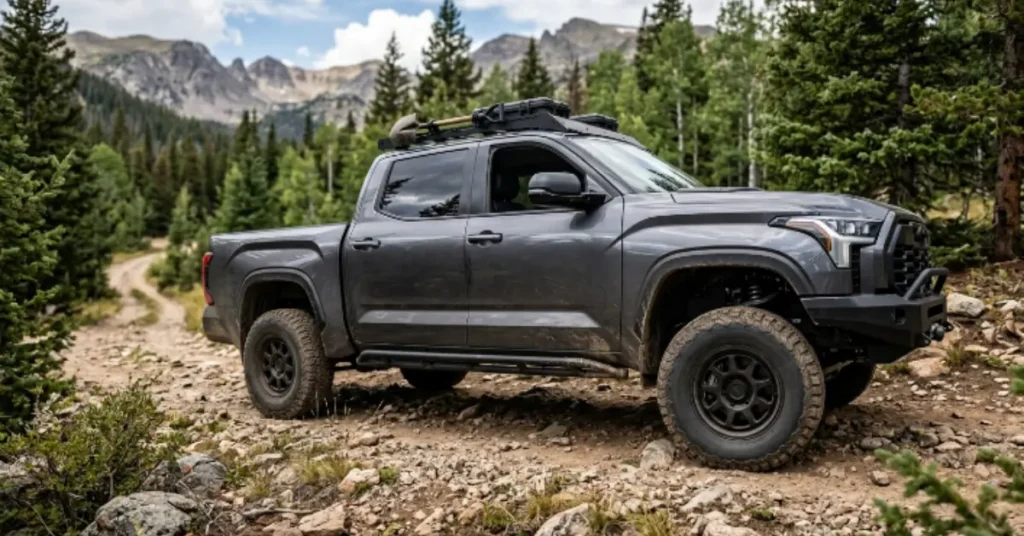
Choosing between running boards vs rock sliders really comes down to how and where you drive your truck. There’s no single right answer; it depends on your terrain, your setup, and what you actually need day to day. Here are the key factors to weigh before making a decision.
- How Often You Go Off-Road: If your truck rarely leaves paved roads, running boards will likely cover all your needs just fine. But if you regularly hit rocky trails or uneven terrain, rock sliders become far more important for protection.
- Whether You’ve Installed a Lift Kit: A lifted truck sits higher, which changes both step height and ground clearance requirements significantly. Rock sliders tend to pair better with lifts, since they preserve clearance instead of hanging low like some running boards.
- Your Tire Size and Vehicle Stance: Larger tires often mean a more aggressive stance, which can affect how obstacles interact with your truck’s lower body. In these cases, rock sliders offer better protection against contact that larger tires and higher stances can invite.
- Your Budget for the Upgrade: Running boards are generally cheaper, making them a practical choice if cost is a bigger factor than off-road capability. Rock sliders cost more, but that price reflects real durability if trail protection is a priority for you.
- What You Actually Use the Truck For: A daily driver used mostly for commuting or errands rarely needs more than a running board for convenience. A dedicated off-road or overland rig, on the other hand, benefits far more from the strength and protection rock sliders provide.
Common Mistakes When Choosing Running Boards or Rock Sliders
Even experienced truck owners get this decision wrong more often than you’d think. A lot of these mistakes come from assuming both accessories serve the same purpose, when they really don’t. Small oversights here can lead to damaged panels, wasted money, or accessories that fail exactly when you need them most. Knowing these common mistakes ahead of time can save you both hassle and repair costs down the road.
- Assuming Running Boards Offer Trail Protection: Many owners install running boards expecting them to protect against rocks and debris. In reality, they’re built for stepping in and out, not absorbing off-road impact.
- Choosing Non-Frame-Mounted Rock Sliders: Some cheaper sliders bolt to the body instead of the frame, which weakens their overall strength. This defeats the entire purpose of installing rock sliders in the first place.
- Ignoring Ground Clearance After a Lift: Adding low-hanging running boards after a lift kit can undo the extra clearance you just gained. This often leads to scraping or dragging on uneven terrain.
- Buying Based on Looks Alone: Picking an accessory purely for style, without considering actual use, is a common and costly mistake. What looks good in the driveway may not hold up on the trail.
- Overlooking Fitment and Compatibility: Installing the wrong size or style for your specific truck model can cause fitment issues down the line. This can affect both function and how well the accessory performs.
Compare running boards and side steps to find the option that best suits your truck, SUV, and everyday driving needs.
Running Boards vs Rock Sliders: Which One Should You Buy?
At the end of the day, the choice between running boards vs rock sliders isn’t about which one is better overall; it’s about which one matches how you actually use your truck. If you’re mostly driving on paved roads and just want an easier step up with a clean look, running boards are the practical, budget-friendly choice.
But if you spend real time off-road, especially on rocky trails or uneven terrain, rock sliders are worth the extra investment. They’re built to protect your truck’s body when it matters most, and that protection can save you from expensive repairs down the line.
At Gresham 4 Wheel Drive, we always recommend basing this decision on your driving habits, not just price or appearance. Whether you need rugged trail protection or simple everyday convenience, choosing the right one from the start will save you time, money, and frustration later.
Why Choose Gresham 4 Wheel Drive & Alignments for 4×4 Upgrades?
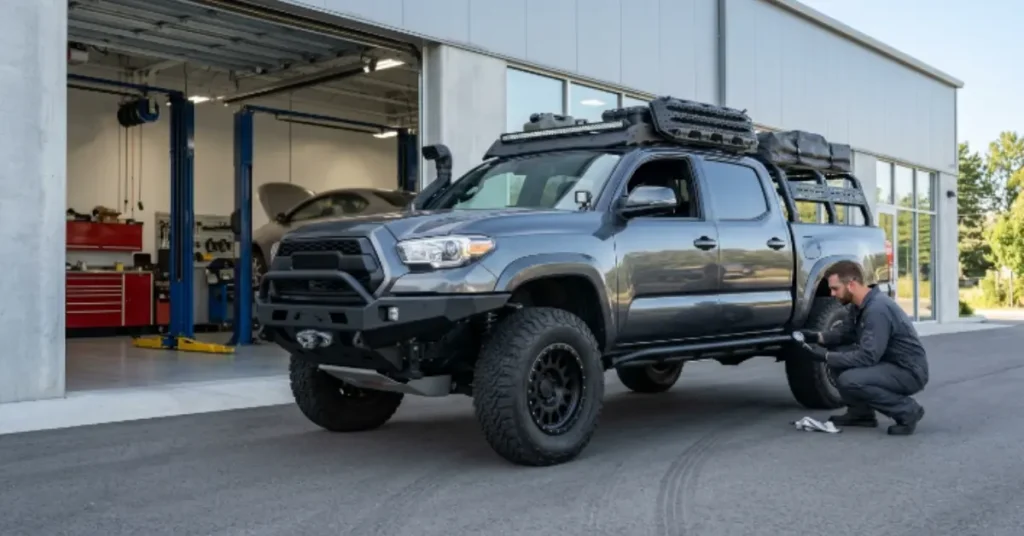
Picking between running boards and rock sliders is only part of the equation; getting the fitment and installation right is what actually makes the upgrade worth it. At Gresham 4 Wheel Drive & Alignments, we work with lifted trucks and off-road builds every day, so we understand exactly how a lift kit, tire size, or suspension change affects your ground clearance and step height.
We handle both running board installation and rock slider installation with precision, making sure everything is properly mounted and aligned with your truck’s frame and body. A poor install can lead to rattling, uneven wear, or even damage down the road, and we make sure that doesn’t happen.
Beyond running boards and rock sliders, our shop specializes in lift kit installation, giving us a complete picture of how every part of your truck works together. If you’re planning a lift, upgrading tires, or just want expert advice on protection for your ride, our team is ready to help.
Conclusion
At the end of the day, running boards vs rock sliders isn’t a debate about which product is better; it’s about which one fits how you actually drive. Running boards are great for convenience and everyday use, while rock sliders are built to protect your truck when the terrain gets rough.
The real mistake is picking either one without considering your lift kit, tire size, and how often you actually go off-road. Getting that decision right the first time saves you money, avoids damage, and keeps your truck performing the way it should.
If you’re still unsure which option fits your setup, our team at Gresham 4 Wheel Drive & Alignments is here to help. From lift kit installation to wheel alignment and 4×4 upgrades, we make sure every part of your truck works together the way it’s supposed to.
FAQs
Q. Do rock sliders affect fuel efficiency due to their added weight?
Yes, since rock sliders can weigh two to three times more than running boards, they add extra weight to the vehicle, which can slightly reduce fuel efficiency. The impact is usually minor for daily driving but may be more noticeable during long trips or heavy off-road use. Most off-roaders consider this a worthwhile trade-off given the protection rock sliders provide.
Q. Can running boards be repaired if they get bent or damaged?
In some cases, minor bends or damage to running boards can be repaired, but severe bending or cracking from a hard impact often means the board needs to be replaced entirely. Since running boards use lighter materials, they’re more prone to permanent damage compared to heavy-gauge rock sliders. Replacement is usually more cost-effective than attempting extensive repairs on damaged boards.
Q. Do rock sliders require any special maintenance over time?
Rock sliders generally require minimal maintenance since they’re built from heavy-gauge steel or aluminum designed to withstand harsh conditions. Periodically checking mounting bolts for tightness and inspecting for rust or corrosion, especially on steel models, helps maintain their structural integrity. Their rugged construction means they hold up well with just occasional cleaning and inspection.
Q. Can I use running boards and rock sliders together on the same truck?
It’s uncommon to use both simultaneously since they serve overlapping purposes, and running boards would typically be removed if rock sliders are installed for both protection and stepping access. Some rock sliders come with an integrated step feature, eliminating the need for a separate running board. Combining both would add unnecessary weight and cost without providing additional benefit.
Q. Will rock sliders void my vehicle’s warranty?
In most cases, installing rock sliders doesn’t void your vehicle’s warranty as long as they’re installed correctly and don’t damage the frame or underlying components. However, using low-quality sliders or improper installation methods could potentially cause issues that aren’t covered under warranty. Choosing quality products and professional installation helps protect both your truck and its warranty coverage.