A lift kit is one of the most common additions made to the vehicle by off-road enthusiasts in terms of an upgrade. However, when people talk about does adding a lift kit void warranty? The initial question that comes to the minds of many vehicle owners is whether a lift kit will nullify the warranty. It’s a valid concern. Warranties are supposed to save your investment, as they involve costly repairs in case something happens with your car, truck, or SUV. And just the thought of being deprived of such coverage upon a change can serve to put anyone to a stop.
The fact of the matter is that there is a lot of misunderstanding concerning the same. Others feel that anyone can simply install a lift kit and automatically void their factory warranty. Some believe that any form of change, however small, deprives the dealership of claims. That is not as real as it is. Warranties do not automatically apply to be voided since you put on suspension upgrades. A manufacturer or a dealership must also, in most instances, establish that the lift kit directly led to a failure to reject it.
Knowing the mechanics of warranties, the changes that can be made, and how to save yourself can help you avoid needless stress and unpleasant surprises. When informed appropriately, you will love the lifted car, whose off-road capability and beauty will be enhanced, as well as have increased ground clearance without the concern that your warranty will be automatically revoked.
In this guide, we are going to dissect the reasons why individuals believe that lift kits void warranties, the components of your vehicle that may be compromised, why improper installation is an issue, and, most importantly, what you can do to guard your warranty before and after installing a lift kit. At the bottom, you will have an explicit guide on how to upgrade your ride smoothly and maintain your coverage.
Why People Believe a Lift Kit Automatically Voids Warranty
Most owners of vehicles are afraid of installing a lift kit due to one thing, and that is the fear of losing their warranty. The thought that a warranty is automatically voided due to the addition of a lift kit has become a conventional belief among the automotive society. But why only so many people think so?
The misinformation of forums, social media, and even certain dealerships is one of them. In Facebook groups and off-road forums, you will find endless posts where somebody says that their warranty was not provided to them after a lift kit installation. In many cases, these posts do not narrate the entire situation. As a matter of fact, most of these warranty rejections are not associated with the lift kit itself, but rather the damage that occurred due to improper installation or irrelevant factors that occurred by chance after the lift kit was installed.
The other reason is that there are manufacturers and dealerships that employ scare tactics. Salesmen can inform you that any alteration can cancel your warranty to deter aftermarket modifications. Although it is true that, depending on the changes, the coverage can be canceled, a lift kit installed properly will not automatically nullify your full warranty. The important consideration is the issue of whether the lift kit was a direct cause of the damage.
The car owners are also confused since warranties have fine print and exclusions. The warranties on the part of the factory usually include the engine, transmission, and powertrain, but they might not include the suspension or drive train components, in case they are upgraded to aftermarket parts. One can easily think that any form of modification, such as a lift kit, will invalidate all the terms without reading them.
Finally, individuals confuse the do-it-yourself installations with the help of professional installation services. A lift kit that is not fitted correctly, such as unequal torque on suspension bolts or a poor fit, can be damaging. Once that occurs, the dealership may reject a warranty claim even though the owners believe that the lift kit itself was the issue.
To put it simply, the misinformation, the fear techniques, the lack of understanding of the fine print, and the mistakes in installation make people believe that the lift kit will automatically nullify your warranty. In the following section, we will clarify the confusion and directly answer the question: Is adding a lift kit a warranty void?
You Must Know About: Best Wheel Alignment: Boost Tire Life & Driving Safety
Does Adding A Lift Kit Void Warranty

The answer to this question is: not necessarily. The problem with installing a lift kit for many owners of vehicles who are concerned that this will automatically cancel their coverage is more complex. Just because you have a lift kit or vehicle does not in any way automatically revoke your factory warranty. The most important factor is that the lift kit is the cause of damage to components that are subject to your warranty.
To avoid the rejection of a claim, dealerships and manufacturers have a legal obligation to demonstrate that an aftermarket modification, such as a lift kit, is the specific cause of failure of a component prior to their refusal to pay for it. This implies that, in case your engine, transmission, or other major systems fail, and the problem does not have anything to do with the lift kit, then your warranty must be respected.
With that said, there are a few instances where a lift kit installation may impact some of your warranty. As an illustration, when the lift kit creates tension on the suspension, steering components, or drive parts, and the steering components or drive parts fail, the dealership might reject the claim. That is why it is so important that it should be properly installed, with good parts, and it should be checked for alignment.
Does a lift kit void warranty? The solution remains subtle, though not automatic: a lift kit does not automatically cancel your warranty, but the manner in which the lift kit was installed, the service, and whether or not it caused you harm can impact individual claims.
Practically, there are numerous off-roaders who lift vehicles, still retaining warranty. The trick here is to have the warranty terms, documenting all the work done, and, whenever possible, have professional installations done. When you know all this, you will be able to answer your question yourself: Does adding a lift kit void warranty? The response to this is obvious- it depends, yet with appropriate care, your coverage will be maintained.
Explore About: Best Lift Kit Brands for Off-Roading Trucks & Jeeps
What Parts of Your Vehicle Warranty Can Be Affected by a Lift Kit
Although a lift kit does not necessarily cancel out the entire warranty of a vehicle, certain parts are vulnerable to damage if the lift kit is installed in a faulty manner. The most likely areas to be affected should be known so that necessary measures can be taken to prevent getting your warranty declined without giving due warning. With this knowledge, you can then invest in such a vehicle and, at the same time, enjoy lifting a vehicle.
These are the most important vehicle warranty sections that may be impacted by a lift kit:
Suspension Components: Springs, shocks, struts, and control arms may have additional stress following a lift. In case such parts are defective because of the lift, the warranty can be refused.
- Steering System: Lift kits may alter the steering geometry of your tie rods and steering racks. Issues occasioned by this change might not be covered.
- Drivetrain & Axles: A lift causes an increase in angles in driveshafts, CV joints, and axles, potentially resulting in faster-than-normal wear and tear, which could impact warranty coverage.
- Braking System: The tires that are mounted with a lift kit can add more weight to your braking system. Any failures that are directly related to this additional load may not be reimbursed.
- Wheel bearings/ Hubs: Lift kits may affect the distribution of load and lead to premature bearing or hub wear, which may affect claims.
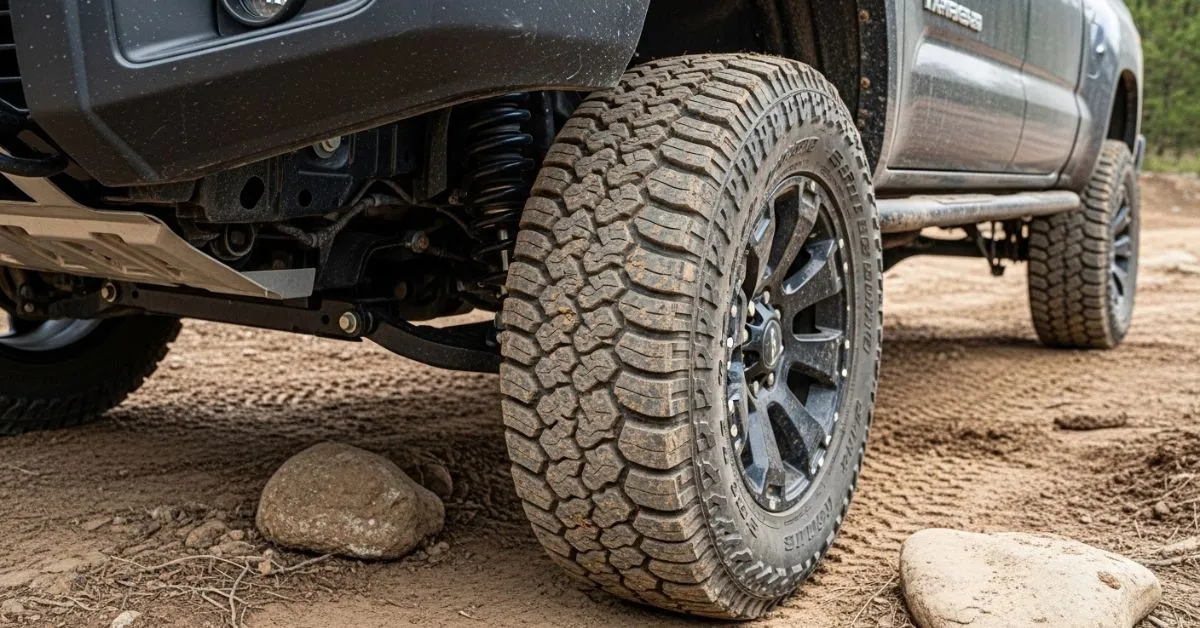
- Tires: Oversized tires may have an impact on the handling and alignment, and any damage linked to them may not be covered by warranty.
Note that only these parts can be refused under warranty in case the lift kit directly contributed to the problem. Routine service or maintenance, installation, and alignment can be a major contributor to the prevention of warranty issues. Knowing these parts, it is easier to be comfortable with your lifted car and not worry that you will be unnecessarily deprived of your coverage.
How Poor Lift Kit Installation Causes Warranty Problems
Although a lift kit does not automatically cancel your warranty, the installation of the lift kit makes a difference. This is because one of the primary causes of warranty problems among vehicle owners after upgrading their suspension is poor installation. In case a lift kit is installed improperly, it may cause some damage to some critical parts, and the dealership may refuse to give a warranty. The knowledge of these dangers can assist in getting rid of unnecessary headaches. Here are some typical poor installation causes of warranty issues:
- Wrong Torque on Suspension Bolts: Over-tightening or under-tightening of suspension bolts may cause premature wear or breakage of shocks, control arms, and struts.
- Out-of-Alignment Wheels and Steering: When you do not do a proper wheel alignment after lifting your vehicle, you are putting additional strain on the steering system, which leads to uneven tire wear and may cause steering component failure.
- Drivetrain Stress: Lift height is not correct or improperly installed, which can result in higher angles on driveshafts, axles, and CV joints, which may cause damage that would not be warrantied.
- Brake and Tire Problems: The installation of oversized tires without modifying the vehicle brake parts or recalibration of the system may result in an additional burden on the braking effect, and this may impact the warranty coverage.
- Suspension Damage: Spring, shock, and control arm damage may be caused by low-quality lift kits or failure to follow instructions. These failures can be attributed to installation failures.
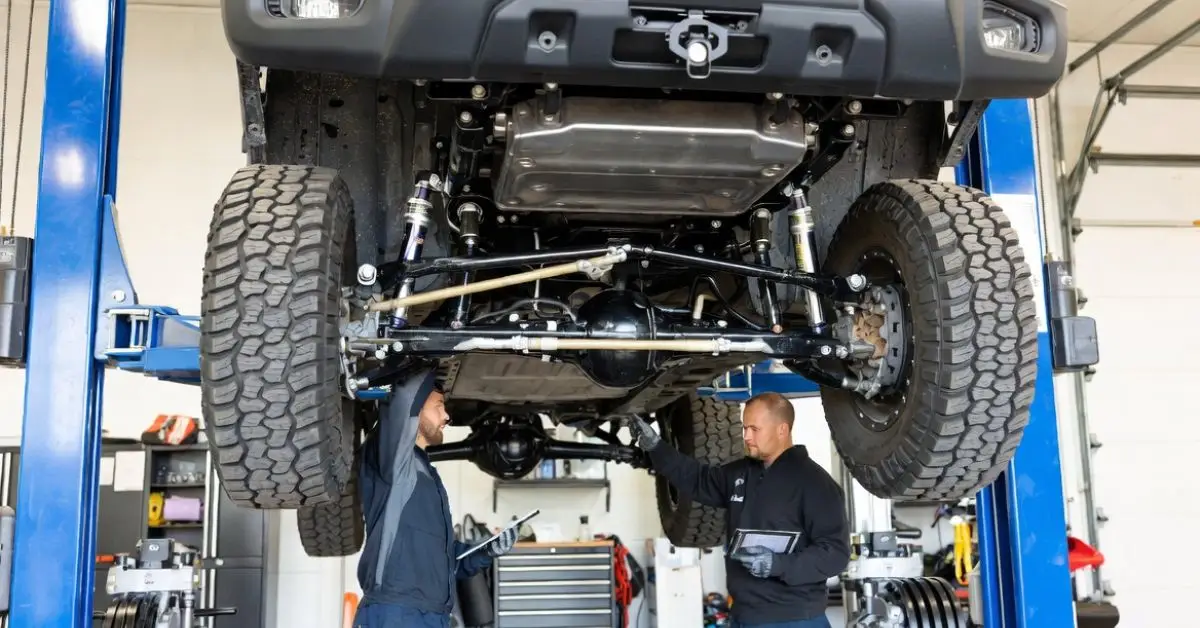
These risks are greatly minimized by professional installation. Certified stores make sure that the lift kit is fitted properly, that the wheels are centered, the torque is correct, and any additional modifications that are necessary are done to keep your vehicle safe and in warranty coverage. You save your car and keep your wallet safe, and still have all the advantages of a lift kit without installing it poorly.
Explore More: Truck Wheel Alignment Cost: What You Need to Know for Your Truck
How to Protect Your Warranty Before and After Installing a Lift Kit
A lift kit can turn your car into a vehicle with better performance and outlook; however, when not carefully done, it might prove to be a problem for your warranty. The bad news is that, as long as you plan it, document it, and get the assistance of a professional, you will have a good ride without having to worry that you are going to void your warranty. Ensuring your coverage is simply a matter of knowing your warranty coverage, communicating with your dealership, and following some easy best practices.
Here are the main measures to safeguard your warranty prior to and after the installation of the lift kit:
- Check Your Warranty Terms: Read your factory warranty closely to find out what parts are covered by the warranty and any exceptions concerning modifications that you have made after purchase.
- Consult Your Dealership: Get your dealership or manufacturer to install a lift kit. This can be used to explain the possible problems and demonstrate that you are an active person.
- Install professionally: Professional installers like Gresham 4 Wheel Drives guarantee correct torque settings, proper positioning, and safe installation procedures, which lowers the chances of damage.
- Keep Records of Service: Have invoices and receipts for the lift kit, installation, and wheel alignments. A warranty claim can be questioned, and that is where documentation can come in.
- Carry out Periodic Maintenance: Suspension, steering, brakes, and drivetrain: Inspect after installation. Minor problems that are solved early would help avoid larger problems that may influence warranty coverage.
- Do Not Buy Low Quality or Incompatible Parts: The lift kits that you are buying must always be of good quality and should be compatible with your car to ensure minimal chances of damaging it.
- Condition of your Document Vehicle Before Modification: Capture photographs or videos of your vehicle prior to fitting the lift kit. This is possible evidence that there was no damage in existence before.
These steps will not only allow you to enjoy the performance and appearance of the lifted vehicle, but you will also be guaranteed that your warranty is not voided. The secrets to avoiding warranty issues when upgrading your ride are careful planning, professional installation, and good documentation.
Final Conclusion
A lift kit is a perfect idea to upgrade your vehicle, enhance the performance and appearance, yet the next question that usually arises is, Does adding a lift kit void warranty? The fact is that not just a lift kit will cancel your warranty. When a lift kit directly caused any damage, dealerships should demonstrate it by refusing a claim. With this distinction, you will be in a position to make adjustments to your car without any undue concern.
Some components of your car, such as suspension, steering, drive, brakes, and wheel bearings, may be damaged if any of the lift kits get damaged. The real causes of denied claims are usually poor installation, low-quality parts, or the absence of maintenance. These risks can be kept down by using professional installation and providing regular maintenance.
Simply put, a lift kit does not automatically nullify your warranty, yet installation, maintenance, and usage are essential in covering warranties. With planning, maintenance of proper records, and consulting with the professionals, you will be in a position to enjoy your vehicle’s performance while preserving your warranty and preventing unnecessary problems.