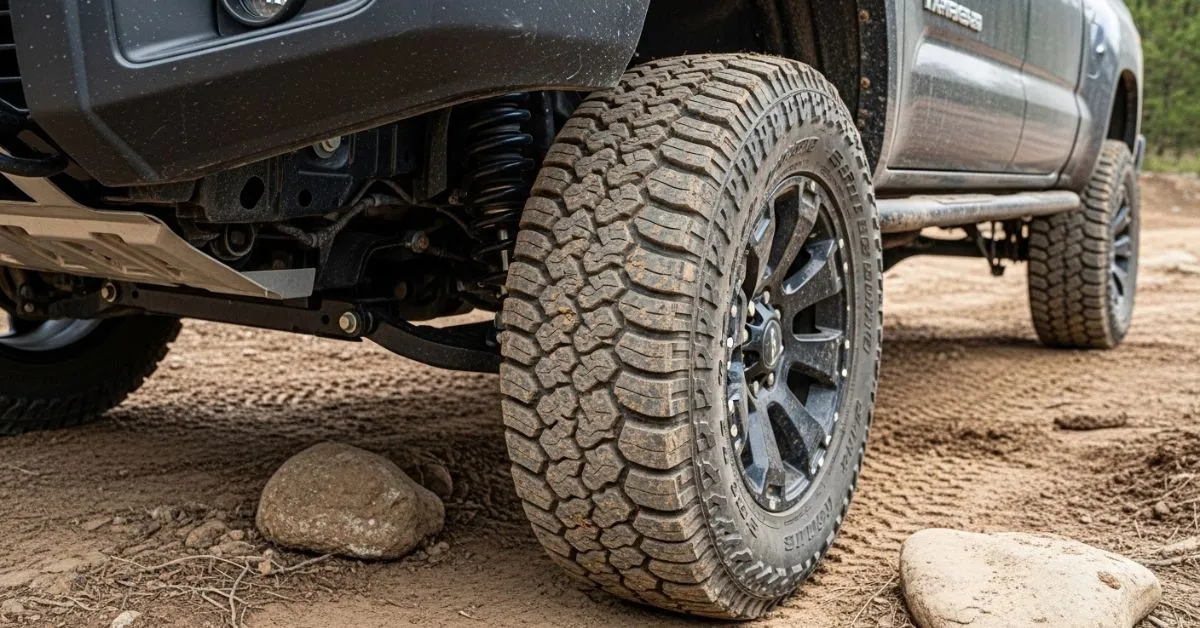
In case you ever wondered why you can sometimes see a truck or an SUV on the road with enormous tyres and a four-wheel look, then it is almost certain that it has a lift kit on it. But what is a lift kit, and why are so many off-roaders and vehicle owners so obsessed and in love with them? In simple terms, a lift kit is a kit employed to bring the vehicle up and offer it greater clearance on the ground, besides enhancing off-road handling capability and the capacity to have larger tyres.
Lift kits not only look good, but they also make your vehicle more approachable and departable in off-road scenarios, as well as raise the approach and departure angle, and can even increase towing and carrying capacity.
You might be just starting to think about going off-road, or you might just want to have a higher, domineering presence on the road, but regardless, the first step to making an informed upgrade is to understand how to install lift kit.
This blog will discuss the various kinds of lift kits, how they work, tools and preparations needed to install them, a step-by-step instruction on how to install them, and finally, a few tips that can help maintain your lifted car and keep it running at its optimum level. At the conclusion, you will have a full picture of a lift kit changing your ride both in style and performance.
Understanding Lift Kits: Types and Functionality

Lift kits are not merely a means of making your car appear larger, but actually change the way your car is used on the road in terms of handling, clearance, and performance overall. Lift kits will be of different types with various functionality depending on what you are interested in.
Body Lift Kits
Body lift kits are meant to lift the body of the vehicle up, but do not change the suspension. This provides additional room to fit bigger tyres and provides the vehicle with a high and macho appearance. Although mostly cosmetic, body lifts are also less complex and costly to install compared to suspension lifts. Yet, as they do not modify the suspension parts, they do not contribute to the great enhancement of off-road performance.
Suspension Lift Kits
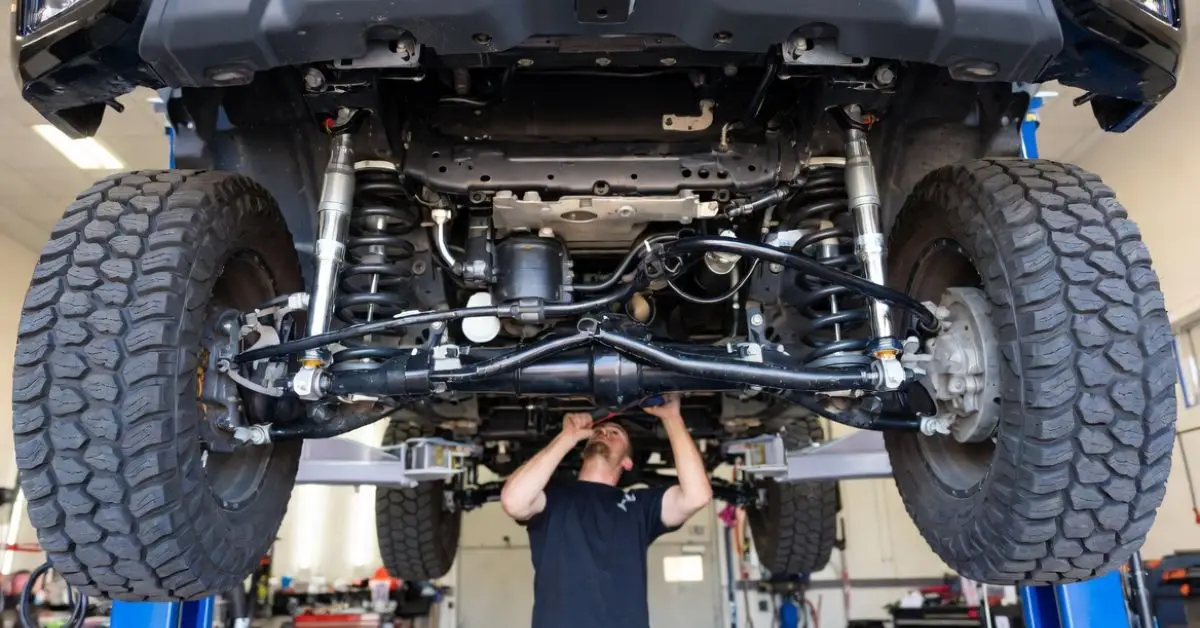
Suspension lift kits are, in fact, a modification of the suspension of a vehicle, making the frame and the wheels elevated. This kind of raise fits best in off-roaders because it not only enhances the ground clearance but also the approach and departure angles, and can use larger tyres. One of the most common parts that are replaced to perform a suspension lift are coil springs, shocks, control arms, or any other suspension components. Such a kit not only alters the height of the vehicle but also improves its off-road handling and durability.
Leveling Kits
Naturally, many trucks are lower at the front to look raked. The lower part of the front of the car is made to appear like the back by levelling kits. The levelling kits, in most cases, do not elevate the level as high as the full suspension lifts, but they can provide the cars with a bit more space to add larger tyres and may also boost the appearance and performance.
How Lift Kits Work
Lift kits work well because they alter either the geometry of the suspension or the body positioning. The raising of the suspension components heightens the vehicle’s clearance between the ground and the undercarriage. This means that your car would not break down key components when it would be able to drive over rocks, mud, and other uneven surfaces. Also, lift kits are applicable to install larger tyres, which may at times increase traction, off-road stability, and change the overall look of your ride.
It is a very big thing to be aware of how does a lift kit works that matches your car and on-the-road needs. This wrong choice can affect not only the quality of the ride and its manoeuvrability, but also its safety, and, therefore, by selecting a lift kit, one should pay attention to whether this requirement is associated with off-road use, or with the appearance at the show, or both.
Tools and Preparation Needed Before Installing a Lift Kit
Lift kits are one of the most exciting modifications that one can make to their car, and one needs to be very well-equipped to install the lift kit in a safe and efficient manner. You will first be required to acquire the right tools and exercise precautions before you begin your truck or SUV movement.
The Lift Kit Requires the Necessary Tools
The presence of the relevant tools improves the installation process, and the methodologies render it more secure. You possess the following, to which you are normally expected to require:
- Hydraulic Jack and Jack Stands: You would be required to place a support under your vehicle and lift it with a hydraulic jack and jack stands to make working under your vehicle safer.
- Socket and Wrench Set: To unscrew bolts and suspension parts.
- Torque Wrench: Tightens the bolts to the specifications of the manufacturer.
- Spring Compressors: This is required in order to install and remove coil springs on the suspension lifts safely.
- Screwdrivers and Pliers: They are nice for making slight modifications and removing clips.
- Hammer and Pry Bar: To loosen hard portions.
Before Installation Preparation Steps
With proper preparation, time would be saved, mistakes would be avoided, and risks to safety would be reduced:
- Carefully read the Lift Kit Manual: Lift kits are a little different. It is much needed to perform in accordance with the instructions of the manufacturer.
- Level Surface: You must also have a flat and steady place where your car has been parked so as to eliminate accidents.
- Cleopatra of the Work Area: Clean up the work area by sweeping the loose materials or anything that may cause obstruction to the installation.
- Check the Kit Components: It is always important to check the components before the assembly to ensure that everything is there and in good shape.
- Lock the Car: The wheel chocks and jack stand should be employed to ensure that the car will not roll down during working hours.
Having these preparation steps in place and the right tools, you are now ready to have an easy time installing a lift kit. Not only is it a time-saving feature, but it is also a safety precaution, not just to the self but also to the car.
Step-by-Step Guide: How to Install Lift Kit
A lift kit is one that helps you to enhance the height of your car, off-road capability, and even the appearance of your car. The procedures and processes might vary depending on the type of lift kit; however, the steps below show a rough outline of the process of installing a suspension lift.
- Lifting and Securing the Vehicle: Lift the vehicle with a hydraulic jack. Get it on jack stands. Do not simply use the jack to hold the car steady as you do a bit of work under it. Always make sure that the vehicle is stable before one commences any work.
- Take off Wheels and Shock: To access the suspension parts, all tyres must be removed. Carefully install the shocks, springs, and other parts, which are to be changed according to the instructions on the lift kit.
- Fit Lift Components: Fit the components of the suspension lift; the lift coils are springs; the longer springs come in the extended components or spacers, which are in the kit. Fit the body spacers; these would fit in between the frame and the body of the vehicle. Make sure that the components are properly positioned and are screwed in, and screw the bolts.
- Install Shocks and Other Suspension Parts: Install shocks, sway bars, and other suspension parts. Install the bolts with the help of a torque wrench. It is a major step towards the safety and performance of the vehicles.
- Install or Reinstall Smaller Parts. Fit the tyres back. Slowly raise the vehicle using the jack and ensure that there is no damage to all the parts.
- Check Clearance: Visually inspect the clearance of the tyres between the tyres and the fenders, between the tyres and components of the suspension. Any indication of extension or misalignment of check brake lines, steering connection, etc.
- Test Drive: One should be advised to ride slowly and carefully so as to ensure that nothing goes wrong. Test on the unknown sounds or vibrations, and test the car later on to know whether it has loose parts.
All these will put you in a position to successfully install a lift kit, which not only enhances the car in relation to its appearance but also enhances its off-road capabilities.
Post-Installation Checks: Alignments, Tire Fitment, and Safety
After the lift kit is installed, you cannot sit and enjoy the lift kit installed, but you have to undertake extensive post-installation testing to ensure that the lift kit is safe, is performing, and is long-lasting. Alteration in the geometry of your suspension can be achieved by lift kits, and this may affect alignment, tyre clearance, and handling. Here’s what to focus on:
The misalignment will increase the rate of tyre wear as well as affect the steering response in a negative way.
- Fitting of Tires: It is important to note that the new or old tyres should not be in contact with any of the fenders, suspension, or steering components. The bigger tyres might have to be clipped or cut so that they do not rub when turning or when the tyre is travelling over a suspension. Adequate balance of tyres should be ensured, and vibration should not occur on the road.
- Brake and Steering Check: Inspections of the components of the steering and brake lines, ABS, and steering components should be conducted to ensure that they are not stretched or strained. Ensure that there is a smooth running of steering. Check and inspection: Inspect the brake lines and suspension parts, and check them for leakage or loose fittings.
- Test Drive: This should begin with a slow test drive on a flat to trace the handling and performance. Listen to unusual sounds, vibrations, or scraping. Also, gradually accelerate, train turning, braking, and off-road.
- Alignment of the wheel: Lift kits can cause changes in the camber, caster, and toe. Get a professional wheel alignment to avoid irregular tyre wear and retain good handling.
These after-installation tests are imperative to ensure that your lifted car is safe, is doing well, and is not incurring expensive repairs. Periodic maintenance, particularly after the initial few drives, allows identification of any problem early enough.
Maintenance Tips to Keep Your Lifted Vehicle Performing Well
A lift kit will be able to change the way your car looks and performs on the road, yet it is important to take perfect care of it to be safe and run effectively. Raised vehicles impose an additional burden on the suspension, tyres, and steering systems, and therapy should be provided on a regular basis. To keep your ride up, here’s how:
- Periodic Suspension Inspections: Look at shocks, struts, springs, and bushings to see whether they are worn or damaged. Search for shocks and evidence of limp or torn springs. Install any loose bolts to ensure that they are not rattling and are also not hazardous.
- Observations on Watch Tire Conditions and Pressures: Larger tyres may require an increase or alteration of tyre pressure relative to stock tyres. Although suspension geometry and alignment change, change tyres occasionally to prevent uneven treads. Examine tyres to determine whether they contain any cuts, bulges, or non-standard wear patterns.
- Check the Wheel Alignment: Lifted cars have a higher chance of experiencing issues with wheel alignment. Establish a schedule of check alignment, especially after off-road drives or after colliding with obstacles.
- Oil Greased Suspension and Steering Components: Grease the joints, the bushes, and other moving components to lessen friction and decrease wear. Correct lubrication will enable easier handling and will also extend the service life of the component.
- Check Brake Lines and Steering Systems: Raised cars can place an additional burden on the brake and steering lines. Check the stretching, leaks, or damages and change the damaged parts as soon as they occur.
- Check Fasteners and Mounts: It is normal to check that the bolts and nuts are tight and that the mounts are in place after off-road use. Components can loosen due to vibrations and rough terrain.
With these maintenance tips, you are likely to have a number of years of enjoyment with your lifted vehicle without incurring a number of common problems that include uneven tyre wear, problems with handling, or even suspension breakdown. Even a small amount of regular maintenance can do wonders to maintain your lift kit in good working condition.
Why Professional Installation Makes All the Difference
Although it is tempting to install a lift kit on your own, a professionally installed lift kit service will provide safety and proper installation of your vehicle. Certified technicians possess the knowledge, expertise, and equipment to deal with the intricacies of suspension and body lifts, including the right amount of torque and setting the lift precisely where it needs to be. A professional like Gresham 4 Wheel Drive will be able to recognise possible problems which can not be seen by an amateur, like the tension of the brake lines, the steering geometry, or even the clearance problem, and make sure that your car will drive safely and reliably.
Also, a lot of lift kit manufacturers have warranties that are provided only with the help of professional installation. When you choose specialists, you save your money and simultaneously maximise the performance of your car. The appropriate lift height, tyre sizes, and suspension enhancements can be suggested by professionals and will provide you with a more comfortable ride, greater handling, and increased off-road performance. Simply stated, professional installation offers a sense of ease, security, and optimum performance of your lifted car.
Conclusion
Finally, you know How To Install Lift Kit. Lift kits are a great solution to make your car look better, increase its off-road capabilities, and improve your performance in general. Their elevated body/suspension gives them more ground clearance, bigger tyres, and better off-road performance. To get the most out of your lifted car, it is important to be aware of the various kinds of lift kits, their proper installation, maintenance, and what should be done after the lift kit installation
Be it body lift, suspension lift, or levelling kit, appropriate installation procedures and maintenance measures will make it safe, durable, and work well. Professional installation service is always the best option for those who want to be at peace and be precise. You can take your vehicle on difficult trails and shine on the road with the right lift kit and care, and enjoy a smoother and more commanding driving experience.