You have a truck; you are already aware of the fact that it is not only a vehicle. It possesses your occupation, your loved ones, your aspirations, and your yearning to live an exciting life. And the next thing that comes to mind when you see a truck on the highway or a trail that has been lifted is the question that you have in your mind: how does a lift kit affect your truck?
There are individuals who believe that a lift kit is all about appearances. Some assume it is meant to be used during off-visit Void. The reality is that a lift kit will give a total personality shift to your truck. It does change the manner in which you sit in it, the manner in which you rotate your truck, the manner in which it brakes, the manner in which it rides, and even the quantity of fuel it burns.
Lifted trucks are no longer a rarity in the present day. According to the industry reports released in recent years, almost 4 out of 10 truck owners in the U.S. intend to make suspension upgrades during their ownership period. That is one thing we know: the owners of the trucks desire better performance, better style, and better control. However, most of them install lift kits without having all the information about what they are modifying. This is where problems begin.
Not only will you be in a position to answer the question of how a lift kit will influence your truck, but by its completion, you will be confident enough in whether a lift kit is the right decision for your truck and your lifestyle.
What Is a Lift Kit and Why Does It Matter Most
The best way to learn about the effects of a lift kit on your truck is to determine first what a lift kit is. Most individuals assume that a lift kit is merely a metallic component that raises your truck or makes it taller, but what they are not aware of is that it is a complete package that transforms the sitting, movement, and response of your truck on the road. A lift kit raises the height of your truck, which is achieved with the help of changes in the suspension, body, or both, and such a slight change results in a huge difference in the way your truck acts daily.
The center of balance of your truck changes when it is raised. The steering angles change, the suspension extends unequally, and the tires are in contact with the road in a different manner. This is the reason why a lift kit is more important than most people imagine. The height at which your truck was initially constructed was such that all the parts would work in unison. As soon as that height is altered, all the parts connected with it should change as well.
Lift kits are primarily of two types: body lift kits and suspension lift kits. A body lift lifts the truck body, and the suspension remains virtually unchanged. A lift on suspension alters the working parts of the suspension, providing the truck with increased movement of the wheels and off-road capability. The two kinds influence the truck in different ways, and each has its contribution towards the question of how a lift kit affects your truck in real driving.
This is the case with recent automotive maintenance research findings that have indicated that trucks raised without adequate suspension adjustment undergo accelerated erosion in steering and suspension components during the initial year. This confirms that a lift kit is not all about style. It concerns the mechanics, stability, and health of your truck in the long term.
The owners of the trucks prefer using lift kits because they prefer to have a higher ground clearance, better road presence, and greater control on rough roads. The actual significance of a lift kit is not just in the way high your truck is. It lies in the ease and ease with which it still drives even after being raised. When you know this, you do not see a lift kit as a showcase but as an upgrade that should be treated as important.
Also Know About: Difference Between Lift and Leveling Kit for Vehicle
How Does a Lift Kit Affect Your Truck Performance

A lift kit will alter the performance of your truck in a number of ways when installed. Not only is it a matter of speed, but it also has implications on control, balance, comfort, and safety. Knowing these effects will aid you in making smarter decisions when driving and also making the most of a lifted truck. The answer to this question is the following: Here are the effects of a lift kit on your truck’s performance, broken down:
- Higher Driving Position: Sitting in a higher position offers improved visibility on the roadways and off-road trails. It is also able to see traffic or obstacles earlier, increasing confidence. But the center of gravity of the truck increases, and it will be less stable when turning sharply, and it will need more attention.
- Dealing with Changes: Lifted trucks can have a lower feeling of planting on tight curves. When it is not tuned to the correct suspension, the steering can feel different, particularly at high speed, and the truck will lean in corners more as well. Drivers will be forced to adapt to the new feel to ensure safe control.
- Braking Response: As height is increased, as well as the size of tires, the weight distribution during braking changes. Stopping distance may be slightly increased, especially in an emergency situation. Data on safety indicates that lifted trucks, which are not corrected with a suspension, can have a braking distance of up to 10% longer, which explains why proper installation is crucial.
- Acceleration Differences: Larger Tires are heavier, and this may make the truck feel slower than usual when standing. There can be strain on the engine, and gearing can also be necessary to ensure smooth acceleration. Highway wind resistance also increases due to the increased profile.
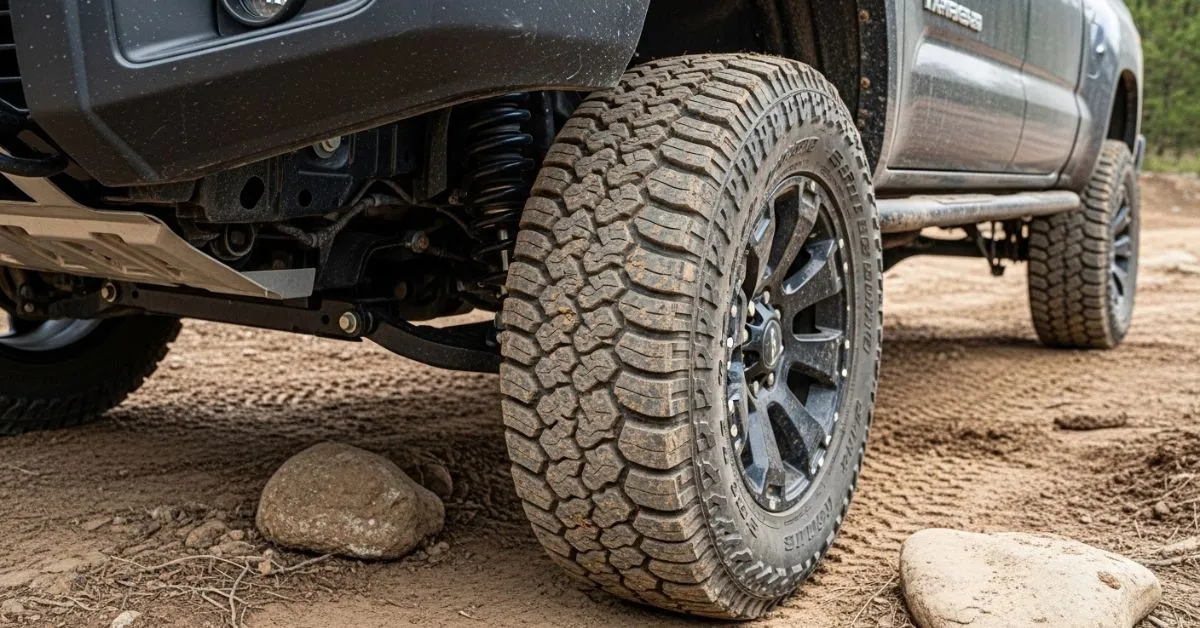
- Off-Road Performance Enhancements: Lift kits are very important in improving off-road capability. Your truck is clear of the ground, has better approach angles, and better ability to navigate around rocks, mud, or rough trails. Bad roads, which were risky, become safe and convenient to use.
- Fuel Economy Effect: Since bigger tires and greater air resistance add weight, it may result in a minor decrease in fuel economy. Unless modifications are made, drivers can experience increased fuel usage in the city streets and on highways.
- General Driving Impression: A lift kit transforms your truck. It improves the off-road capabilities and presence on the road, but requires smarter driving, adequate maintenance, and professional installation to provide optimal performance on the roads. It is not a destroyer of performance; it only changes it.
Read About: Best Lift Kit Brands for Off-Roading Trucks & Jeeps
Common Problems Caused by Poor Lift Kit Installation
When their truck starts to exhibit problems, many of the people tend to blame the lift kits. However, in the vast majority of cases, it is not the lift kit that is the problem, but rather bad workmanship. The installation of a lift kit that is not properly finished in terms of the tools, experience, and knowledge of how to position it will immediately begin to ruin your truck instead of improving it.
This is the reason why you have to understand these issues so that you can be aware of the long-term implications of a lift kit on your truck. The most frequent issues that arise as a result of poor or negligent installations of lift kits include:
Uneven Tire Wear
In a situation where alignment has not been done properly, once a lift kit has been installed, your tires will not actually touch the road evenly anymore. This causes one side of the tire to wear out more rapidly than the other. The tire is boundless, unbearable, and uncomfortable. You might change your tires within several months and not a year, and this will cost you more on maintenance and reduce the safety of driving.
Steering Wheel Vibration
Inadequate installation of lift kits normally results in vibration of the steering wheel, particularly at highway speeds. This occurs due to the non-balanced and non-aligned suspension parts. Long drives are tiresome due to the vibration, and your confidence in driving is diminished. It may also, in other instances, be an indicator of stressed suspension components.
Truck Pulling to One Side
Unless the correct suspension angles are adjusted, your truck can start to pull to the right or left even though the steering wheel is straight. This makes driving a pain and a danger, especially on highways. There is always the necessity of adjusting the steering, and this adds to driver fatigue and a lack of control in general.
Reduced Braking Stability
Poor installation alters the motion of the weight during braking. The truck might sink forward instead of normally when braking, making it difficult to stop. This may cause the distance of stopping and loss of control in case of emergencies, particularly on wet or slippery roads.
Suspension Noise
During a drive, one can find knocking, squeaking, or clunking sounds that can be caused by loose bolts, wrong parts installation, or improper tightening. These noises are not only annoying; in some cases, they signify that the effects of the components are slowly destroying one another. Such sounds should not be ignored because they may cause larger suspension breakdowns in the future.
Faster Part Damage
Suspension geometry is also not rectified, a nd thus the ball, tie rods, bushings, and control arms experience pressure that they are not meant to handle. This causes them to wear faster than usual, leading to a high rate of repair and a rise in the overall cost.
Poor Fuel Economy
Poor alignment and high rolling resistance have the effect of straining the engine to work harder. Your truck consumes a lot of fuel to travel the same distance. This little loss will just accumulate and make your monthly fuel bills all the higher without you receiving any tangible benefit.
Unsafe Handling
Bad installation results in sharp turns that appear to be unsteady, lane changes are less foreseeable, and driving on wet roads is more dangerous. Your truck might not be solid but loose, and this decreases confidence and increases accidents.
The reports on automotive services also suggest that over 55 percent of the lifted trucks that do not get aligned by professionals have suspension or tire problems within the first six months. This is a clear indication that, in terms of poor installation, safety, comfort, and cost have a direct impact on cost in the long term.
Thus, when people pose the question, How does a lift kit affect your truck, the true and fair answer to the question is as follows: a poorly installed lift kit influences your truck the most negatively imaginable. Most of these issues do not even manifest themselves when properly installed.
Explore More: Does Adding a Lift Kit Void Warranty? Explained Guide
Is a Lift Kit Right for Your Truck and Your Lifestyle?
It is not so much about the look or off-road pride when it comes to deciding whether a lift kit is the best choice on your truck; however, it is more about what you are going to actually use your vehicle for. The lift kit would change the manner in which your truck drives, the handling, and also the fuel consumption. One should always ensure that the upgrade one is using is compatible with their lifestyle.
A lift kit could be a good fit if you spend most of your time on off-road trails, climbing trails, and rocky and muddy roads. It clears the ground better, also, it gives you space to run bigger tires, and it makes the challenging terrain to ride easier and safer. What seemed dangerous yesterday becomes comfortable to drive, and your truck will command more presence on the road. A lift kit in this scenario is not only going to improve performance, but it will also bring confidence and fun to every adventure.
Conversely, a lift kit may bring about a few disadvantages in the event that your truck is used primarily in daily commuting, highway driving, or even transportation of family members. An increase in fuel consumption, reduced acceleration, and a negligible increase in the center of gravity can affect comfort and convenience. Work trucks that are loaded with heavy loads or pull trailers might need more suspension changes so that they can be stable.
Finally, the response to the question of how a lift kit will affect your truck will be based on your priorities. A lift kit may be a wise choice in case off-road performance, fashion, and personal taste are the most important. However, when comfort, fuel consumption, and daily utility are what are of utmost importance to you, then you need to carefully consider the nature of the lift and the height of the lift before deciding.
Also Explore: Driving with Bad Wheel Alignment: How to Fix It
Professional Lift Kit Installation Is Worth It
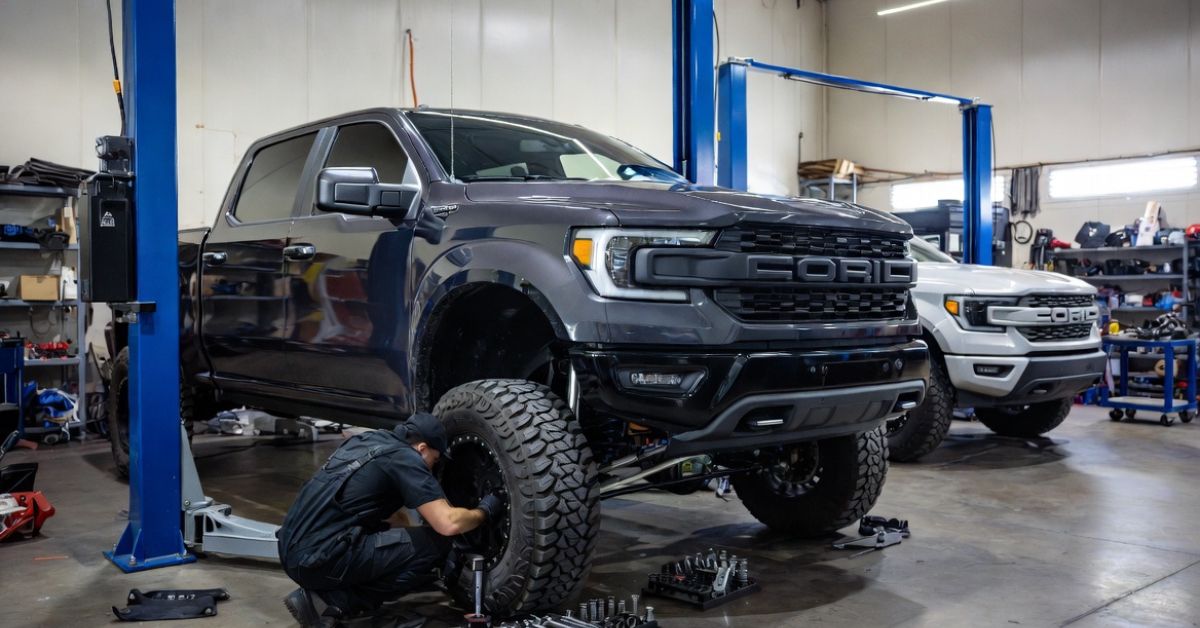
In the case of lift kit installation, whether it is a self-installation process or using a novice installer, one can experience issues that impact the performance, safety, and life of your truck. A professionally installed lift kit will make sure that the whole kit fits correctly, the geometry of the suspension is properly fitted, and the truck will drive on and off the road. This is the place where Gresham 4 Wheel Drive fits in.
They have years of experience installing lift kits, doing wheel alignments, and tuning suspensions, and they are certain that your truck will work as it should. Installing the lift kit by a professional will ensure that you have safeguarded your investment in the lift kit itself, as well as other problems like the tires wearing unevenly, steering vibrations, and poor handling.
Being a professional installer, such as Gresham 4 Wheel Drive, does not simply involve the installer attaching the kit to your truck through bolts. They do a complete check of the suspension system, adjust steering angles, and make sure that it is well aligned to make sure your truck is safe, reliable, and comfortable to drive. Reportedly, professional lift kit installation services have 30 times fewer suspension failures in the initial year than DIY or amateur installations.
When you select an installer that you trust, you are guaranteed that your lift kit will increase the level of off-road performance, enhance the road presence, and keep your truck running smoothly for years of service. Discussing the way a lift kit will impact your truck, professional installation becomes the most critical variable that will transform a mechanical upgrade into a safe and high-performing one.
Conclusion
To know the impact of a lift kit on your truck, before making any upgrades, it is important to understand how does a lift kit affect your truck. It is not that a lift kit only changes the height or the looks of your truck, but also affects the performance of the truck, handling, braking, fuel economy, suspension, and long-term maintenance. Properly installed, it improves off-road capability, improves ground clearance,e and offers road presence.
This can, however, lead to uneven wearing of tires, steering issues, loss of braking stability, and an increase in the rate of part wear when done poorly. The selection of the lift kit to match your lifestyle is as important as the lift kit installation. When you are an off-road enthusiast, a lift kit can help to make your truck safer and more competent on the trail. The right kind and elevation of lift kit, when installed correctly, is important to ensure comfort, fuel efficiency, and safety in the event that your truck is primarily utilized as a daily commuter or heavy towing.
This is the reason why professional installation is important. Companies such as Gresham 4 Wheel Drive deal with lift kit installation, suspension tuning, and wheel alignment to make sure that your truck will do its job best. With the right decision-makers and by knowing the consequences, a lift kit can do more than a cosmetic upgrade to your truck; it can be a performance and safety long-term upgrade to your truck.