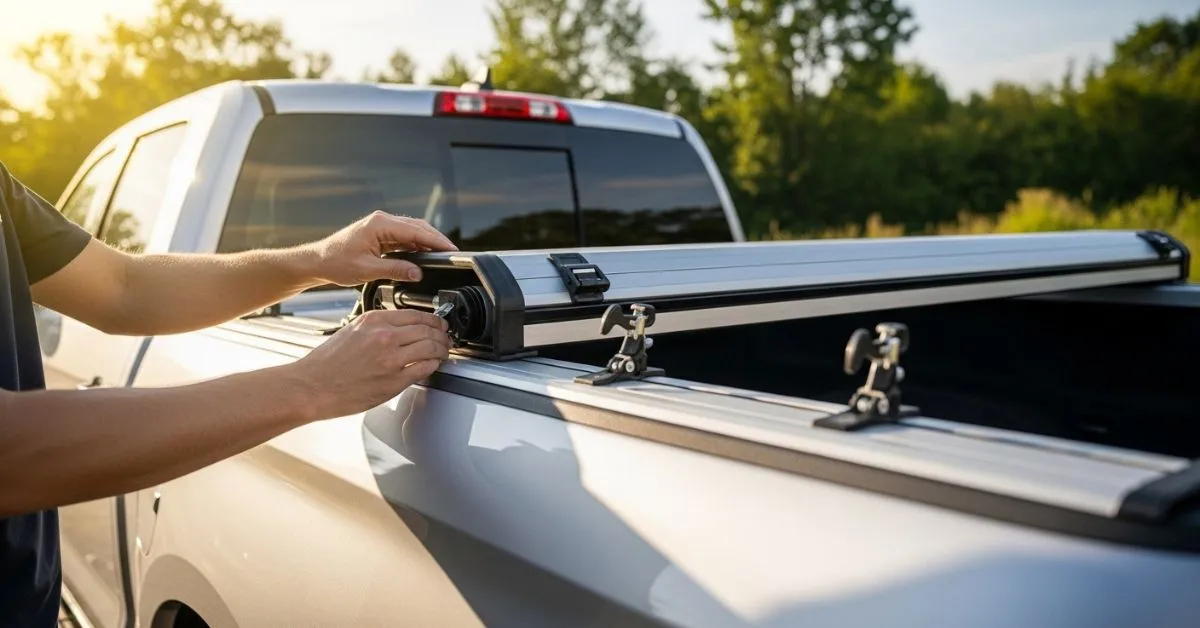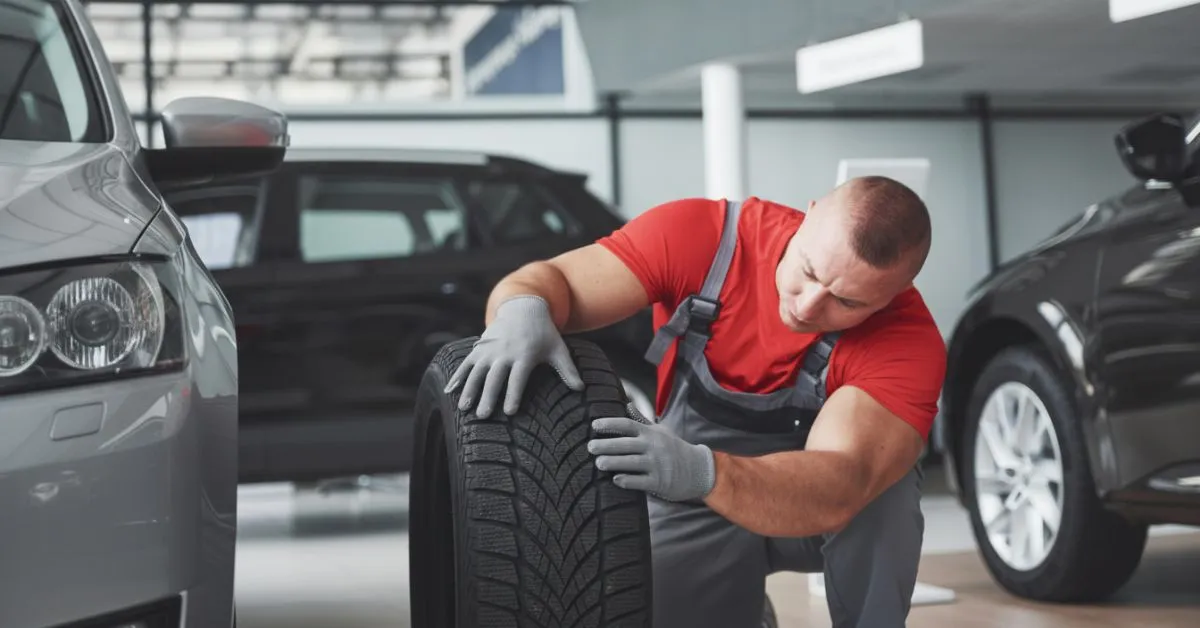
Whenever individuals install a lift kit in their vehicle, they tend to consider height, style, and off-road power. But how few will pause and consider tire size? This is the reason why most drivers subsequently research how to select tire size for lift kit upon experiencing such issues as tire rubbing, shaking, or uneven tire wear. The lift kit does not lift your car; it alters the overall geometry of the way your wheels are mounted, turned, and moved. It is due to this that tire size is more than likely the most important decision of post-lifting choice.
Suppose you waste good money on a lift kit and you find out the tyres are rubbing on the body when you turn the steering wheel. Or you lose your fuel mileage. Or your horse is mealy and bumpy. Such issues tend to occur when the size of tires is selected based on appearance, and not on fit. An elevated car requires some equilibrium of height, width, and the position of the wheels. A high-quality lift kit is unable to work without this balance.
In 2026, surveys of vehicle modification indicated that over fifty percent of the lifted truck owners had replaced tires after the first year due to being uncomfortable with the size chosen or having alignment issues. This is a clear indication that tire size is not a trivial matter; it is one of the main components of the lift kit upgrade.
It is a guide that is not meant to be read by a mechanic. It does not require any technical expertise to comprehend it. We will make it very simple in simple words so that you can make a decision as to how to select tire size for lift kit with a lot of confidence. No matter whether you drive your vehicle to work every day, go on some light off-roads, or do hard labour in the field, the appropriate tyre size will save your suspension, enhance driving capabilities, and provide you with more control on any road.
Now it is time to know why tyre size will become such a concern once you set up a lift kit and how it will impact your car in real life.
Why Tire Size Matters After Installing a Lift Kit
Once you install a lift kit, your car will appear to be taller and stronger; however, its handling will also be different. Suspension angles, the position of wheels, and the movement of steering are different from what they used to be. Due to this fact, the issue of tyre size becomes a very critical choice. Most vehicle owners believe that any larger tyre can fit, but the mismatch with the incorrect size can cause severe problems. This is the reason why individuals usually seek ways to select the tire size for a lift kit after they start to hear the rubbing sound or feel the lack of stability during driving.
The tire size has a direct bearing on comfort, control, and safety. The tyres are bigger and therefore increase their weight, thus straining the engine, and this may lower their fuel efficiency. Braking distance can also be increased, and steering can be heavier. Conversely, tyres that are not broad or thick enough may result in a toppled vehicle appearing to be unbalanced and having low off-road traction. When the tyre comes in contact with suspension parts or the body when making turns or bumping, it may gradually destroy the tyre and the structure of the vehicle.
Wheel alignment is another major problem. In the case where the tyre size is not selected appropriately, alignment is more difficult to sustain, leading to uneven tyre wear and pulling during driving. In the long run, it may destroy the suspension operating components and raise the cost of repair. It is the reason why you should learn to pick the right tyre size to use with a lift kit, not only to make your vehicle look good but also to ensure that your vehicle is safe, that your lift kit will enhance its performance, and that your lift kit is functioning as it was intended to be.
Explore More: How Much Does It Cost to Install a Lift Kit in 2026?
How to Select Tire Size for Lift Kit Without Rubbing

Tire rubbing is one of the largest issues that arise after the lift kit is installed. Although you may be aware of the proper tire size, an inappropriate fit may result in fender- or suspension-contact, uneven wear, and poor handling. To prevent such inconveniences, it is always good to plan and think about the lift height, the location of the wheels, and the conditions under which you will be driving before making a decision on the tire you want.
- Understand Your Lift Height: The initial task in learning how to select tire size for lift kit is to know your lift height. Even a lift that has a small size of 2 inches cannot safely manage the same size of tire as a 66-inch lift. Never guess or imitate the vehicle and use the same tire size as the one that is already in use.
- Check Wheel Position and Offset: Although the tire size may be right on paper, incompatibility in wheel offset may result in rubbing. When the tire is too close to the suspension parts, it rubs when turning. When it is too protruded, it may strike fender edges. Measuring clearance before being certain of tire size always occurs on complete steering turns and on complete suspension travel.
- Take into Account Real Driving Conditions: Consider the highest and most common places of driving. In the case of urban roads, there is no need to have very large tires. Off-road requires room in the form of mud, rocks, and suspension movement. When selecting the size of tyres to use, it is important to select one with a sufficient amount of clearance that also enables them to turn quite easily, drive in comfort, and maintain the correct alignment.
- Avoid Oversized Tires: A balanced tire size works better than an oversized one. Large tires can be perceived as tough, but they can be very aggressive and can break in, have misalignment, and wear unevenly. The correct sizing will maintain the safety of your lift kit and your car.
You Must Know about: How Often to Get Wheel Alignment to Protect Your Tires
Common Mistakes People Make When Choosing Tire Size
The mistake of selecting the wrong tire size is among the simplest methods that lead to difficulties following the installation of a lift kit. A lot of drivers are more concerned with appearance or imitating other cars without ensuring that they fit. These errors may result in rubbing, asymmetrical wear, alignment problems, and even a safety risk. The most frequent mistakes to be prevented when making a decision on the choice of tire size in a lift kit are as follows:
- Selecting Tires Only to be Appealing: Most individuals opt to have oversized tires simply because they appear tough or off-road worthy. Although style is important, tires that are excessive in height or width may rub against fenders, suspension components, or inner body panels. Always come first before appearance should be the priority
- Forgiving Wheel Offset and Backspacing: Vehicle owners retain stock wheels when changing the size of tires. A wrong offset makes tires go either too far in or out, and this can lead to rubbing, alignment, and uneven wear. Proper installation of the wheels is essential for performance.
- Failure to Pay Attention to Driving Conditions: Large tyres would perform well in the off-road environment, but would cause issues when used on other roads or highways. Big tires may complicate steering, decrease fuel efficiency, and slow down braking. The tires must be the right fit for the lift height and style of driving.
- Failure to take Professional Measurement: It is expensive to make mistakes by using guesswork or online advice without determining clearance. Before recommending a tire size, professionals measure lift height, suspension travel, and steering angle.
These errors may be avoided by selecting the proper tire size, eliminating rubbing, and having your lifted car drive safely and comfortably on any kind of road. Correct planning saves money, helps to protect against suspension, and makes your ride comfortable.
Explore More: Does Adding a Lift Kit Void Warranty? Explained Guide
Tips for Maintaining Tire Health After Lifting
Once you have installed a lift kit and you have chosen the appropriate interesting tire size, it is quite important to ensure that your tires are well-maintained. Lifted cars have heightened pressure on tires due to the alteration of the suspension, wheel alignment, and weight distribution. With some easy steps, you can keep your tires healthy, better performing, and increase the life of your new tires.
- Consistent Tire Rotation: To evenly disperse wear, it is important to rotate your tires after every 5,000 to 7,000 miles. Raised cars may exert additional stress on some tires, particularly the front ones. Frequent rotation helps to avoid disproportionate wear on the tires, enhances grip, and also helps your tires to last longer.
- Recheck Tire Pressure Often: Lifted vehicles may have bigger tires and hence, need to be inflated to ensure they do not run into trouble. Tires with under- or over-inflation can result in bad handling, wear harder, and even blow out. Measure tire pressure at least once a month and prior to long journeys.
- Wheel Alignment and Balancing: Once a lift kit is installed, alignment and balancing are very important. Unaligned wheels may result in irregular tire wear, side pulling, and low fuel economy. Professional alignment will make sure that your tires are running in the same direction and that your lift kit is doing the job the way it should.
- Check Tire Damage: Off-road vehicles are used, and the tires are likely to be torn by rocks, mud, and other debris. Periodically examine sidewalls and treads, and check them against cuts, punctures, or unusual wear. Repairs at the earliest stage will avoid bigger issues and will help to keep your car secure.
- Avoid Overloading Your Vehicle: Additional weight impacts lifted automobiles more than stock ones. Congested tires and suspension may cause them to wear quickly or even break. The weight limit of your vehicle should also be checked at all times, and particularly during gear carrying or towing.
These tips will help you ensure your investment in a lift kit is safe and will enable the tires to last longer without compromising the safety or performance. It is also easier to maintain the right tire size without any rubbing or alignment problems as a result of proper maintenance.
Professional Installation for Accurate Lift Kit
A lift kit and the selection of the appropriate tyre size may be more complex than it appear. Although you may understand the process of selecting tire size to fit a lift kit, trying to do it may create a case of rubbing, alignment troubles, or damage to the suspension. This is the reason why professional installation is highly encouraged. We also deal with lift kit installation, wheel alignment, and other 4-wheel services at Gresham 4 Wheel Drive to ensure that your car is working to its maximum potential.
Installers begin with the measurements of the suspension parts, wheel well, and steering geometry. This will make sure that the tire size is exactly equal to the lift height without any rubbing of tires on fenders or suspension components. Once the lift is in place, it gets correctly wheel-aligned to ensure proper handling, preventing all-time tire wear, and a straight steering wheel.
Both street and off-road driving are also carefully tested in terms of tires. The complete turning radius and the travel of the suspension are checked by the professionals to ensure that the tires of your vehicle do not come into contact with any section of your vehicle, hence providing you with confidence and safety on any road. Also, all of the suspension parts are installed within the factory requirements, which minimizes the possibility of sustaining long-term injuries through improper installation. By using a lift kit, professional services such as Gresham 4 Wheel Drive, time will be saved, expensive errors may be prevented, and you will have an ideal combination of the lift kit and tires to accomplish the best performance and comfort.
Read more about: Best Lift Kit Brands for Off-Roading Trucks & Jeeps
Conclusion
When considering the lift kit upgrade of your vehicle, the entire process is exciting, as is the choice of tires, which are important to make. Use of an incorrect size may cause rubbing, bad handling, unequal wear, and even permanent damage. This is the reason why every SUV or truck owner should know how to choose the tire size with a lift kit. Take into account the lift height, wheel offset, suspension clearance, and driving style to find the right tire that fits perfectly and is safe to use.
After installation, it should also be properly maintained. Tire rotation, pressure checking, and wear checking can help your lifted automobile to remain comfortable and safe. And although DIY installation can be quite an ordeal, professional installation is accurate, problem-free, and will save time. We offer lift kit installations, wheel alignment, and installation of tires at Gresham 4 Wheel Drive so that you can get the best out of your upgrade.
Finally, you know well how to select tire size for lift kit, installed by a professional, will increase performance and off-road capability, as well as have your vehicle looking and driving its best. Knowing how to select tire size with a lift kit is the best way to preserve your investment, smooth out all your rides, and make sure that your vehicle is prepared to go on any road or path. Your lifted-up truck or SUV can work safely and with confidence over the years with proper planning, maintenance, and professional assistance.