Key Takeaways
- Choosing the right hitch depends on your vehicle’s towing capacity, not just the hitch class or appearance, to ensure safe and stable performance.
- Class 3 hitches are suitable for light to medium towing, like small trailers, bikes, and boats, while Class 4 hitches are designed for heavier loads and more demanding work.
- Key factors such as tongue weight, gross trailer weight (GTW), and receiver size play an important role in determining towing safety and stability.
- Vehicle compatibility matters greatly, as SUVs and light trucks typically use Class 3 hitches, while heavy-duty trucks require stronger Class 4 setups.
- Proper installation, wheel alignment, and weight distribution are essential to avoid accidents, improve control, and ensure long-term towing reliability.
Quick Answer: A Class 3 hitch is suited for light to medium towing, like small trailers, bikes, and boats, and is commonly found on SUVs and light trucks. A Class 4 hitch is built for heavier loads, such as large trailers, construction equipment, or big boats, and is typically paired with full-size trucks. The right choice depends on your vehicle’s towing capacity, tongue weight, and how you plan to use it.
When you have a truck or SUV and intend to pull anything, one major concern is the correct hitch fitting. When people want to know which hitch is more suitable, there is an urgent need to find a class 3 hitch vs a class 4 hitch on the one hand. Initially, appearance differs, but it is ultimately towing that makes the difference, as well as the strength and safe handling of loads.
The primary attachment between your car and what you will be pulling will be a trailer hitch to either a small trailer, a boat, or heavy equipment. The hitch classes do not apply to the same weight, and that is when such terms as hitch receiver size, tongue weight, and the trailer weight rating (GTW) come into play. The wrong hitch can influence the braking, stability, and safety of driving.
This is why an appropriate choice is so crucial, in particular, to the drivers who are also concerned with suspension, a lift kit, and wheel alignment. Here at Gresham 4 Wheel Drive, it can frequently be observed that towing setup and vehicle balance go together. Knowledge of the distinction of hitch classes assists you in making a wiser and more secure choice in your vehicle.
What Is a Trailer Hitch?
A trailer hitch is a hardened steel hook that is attached to the rear of your vehicle. You can add things such as trailers, campers, bike racks, or cargo carriers. In layman’s terms, it is the component that ensures that your vehicle can pull or carry an additional weight in a safe manner.
Trailer hitches are available in various types and sizes, as there is no universal towing capacity for a vehicle. They tend to be categorized in terms of the strength and receiver hitch sizes, which determine the amount of weight your SUV or truck can carry. Such crucial terms as tongue weight and gross trailer weight (GTW) assist in signifying the degree of load a hitch can bear, without instability.
Towing will not be safe and stable without the right hitch, particularly when braking or turning. This is why it is important to select and install them correctly. Our interest is to ensure the right hitch matched with the right vehicle arrangement so drivers can have the benefits of safe, smooth, and controlled performance towing all the time.
What Is a Class 3 Hitch?
A Class 3 hitch is a common type of towing that is available in most SUVs and pickup trucks. It also has a medium-duty towing capacity, meaning that it can perform with small trailers, boats, bikes, and other light campers. It provides a decent trade-off between power and daily applications.
Stronger towing utilizes a smaller receiver size, which is 2-inch and most of the Class 3 hitches use that size. They tend to support heavier gross trailer weight (GWT) and tongue weight and are stronger than less-expensive hitches. This is why it is popular among drivers on personal journeys and on light jobs.
When using a more straightforward terminology, a Class 3 hitch is a safe and sure thing when you require more pulling power, yet are not on a heavy-duty hitch. We have the capacity to advise customers on the appropriate choice of hitch to fix their vehicle, suspension, and towing requirements, to achieve smooth and safe operations every time on the road.
What Is a Class 4 Hitch?
A Class 4 hitch is a durable towing solution that is used in trucks and large SUVs that have to drag larger weights. It is very popular with larger trailers, construction tools, and even larger boats. This hitch is a serious towing hitch that is more concerned with functionality and safety.
A majority of Class 4 hitches also have a 2-inch receiver and are also strengthened to support a significantly greater gross trailer weight (GTW) and tongue weight than Class 3. Due to this reason, they are typically matched with powerful trucks which already have strong engines and better load management through the addition of upgraded suspension systems.
Simply stated, a Class 4 hitch is needed by those drivers with ongoing heavy towing and demand maximum durability. At Gresham 4 Wheel Drive, we guide our customers in making the right hitch pick, based on the amount of towing each vehicle is capable of safely performing, the geometry of the suspension system, as well as actual working conditions, so that they can safely pull without making the vehicle work harder in the process.
Also Explore: How to Set Up an Equalizer Hitch for Perfect Towing
Class 3 Hitch vs a Class 4 Hitch: Full Side-by-Side Comparison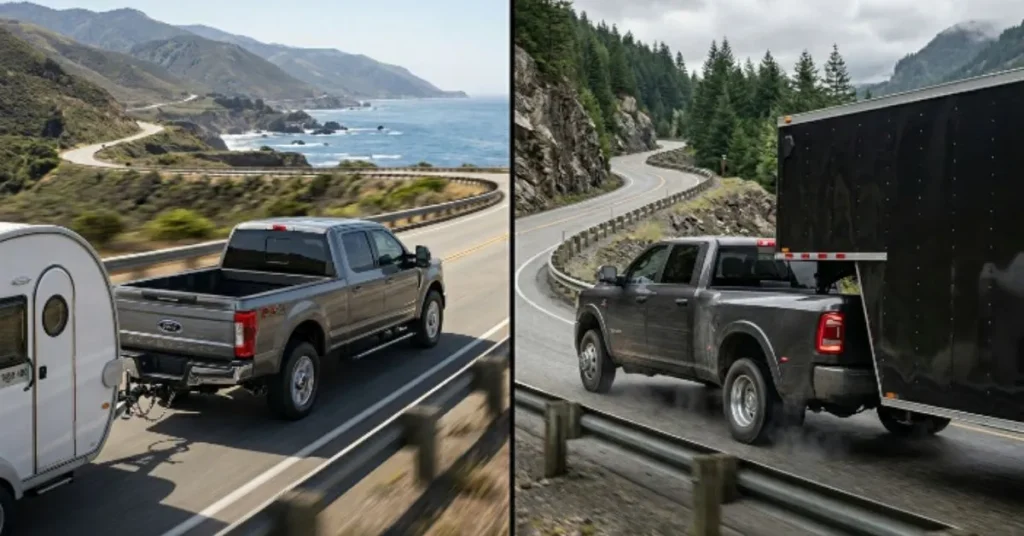
The decision of the class 3 hitch vs a class 4 hitch may seem perplexing when you are not familiar with towing arrangements. They are both hitch types that are designed to pull trailers and cargo, and the two hitches are made in regard to varying towing requirements and vehicle capacities. It actually enables using a tow to achieve greater safety, stability, and driving performance.
1. Towing Capacity Difference
Class 3 hitches are usually intended to do medium-duty pulling (and are practical with small trailers, boats, and campers). It offers sufficient towing capacity for most personal and recreational pulling. This aspect is one of the most popular hitch classes among the SUVs and the pickup trucks.
A Class 4 hitch comes with heavier towing applications and larger trailer weights. It has a high gross trailer weight (GTW) and tongue weight, which can be handled better than Class 3. This is why it will suit better drivers who tow a lot of heavy equipment or trailers that have big cargoes.
2. Receiver Size and Strength
The Class 3 hitches are mostly based on a 2-inch receiver size; this provides an ideal balance between strength and versatility. It is robust to usual towing equipment such as bike racks, cargo living areas, and light trailers. This is also a receiver size that is conducive to regular day-to-day driving.
Class 4 hitches are also constructed of reinforced steel of stronger construction, but their receivers are 2 inches. Their design is geared towards increased pressure and stress when towing heavy. This makes it stronger, enhancing the strength, durability, and load.
3. Vehicle Compatibility
Class 3 hitches are normally fitted on SUVs, light-duty trucks, and mid-size pickups. They can be installed on cars with moderate ratings in towing capacity and typical suspension systems. This leads to them being suitable for all the day-to-day drivers and outdoor travelers.
The common heavy trucks that have a larger towing vehicle utilize a class 4 hitch. The frame of such cars is heavier, they have a well-developed suspension, and powerful brakes. This helps in bearing the heavier trailer loads.
4. Use Case and Real-Life Application
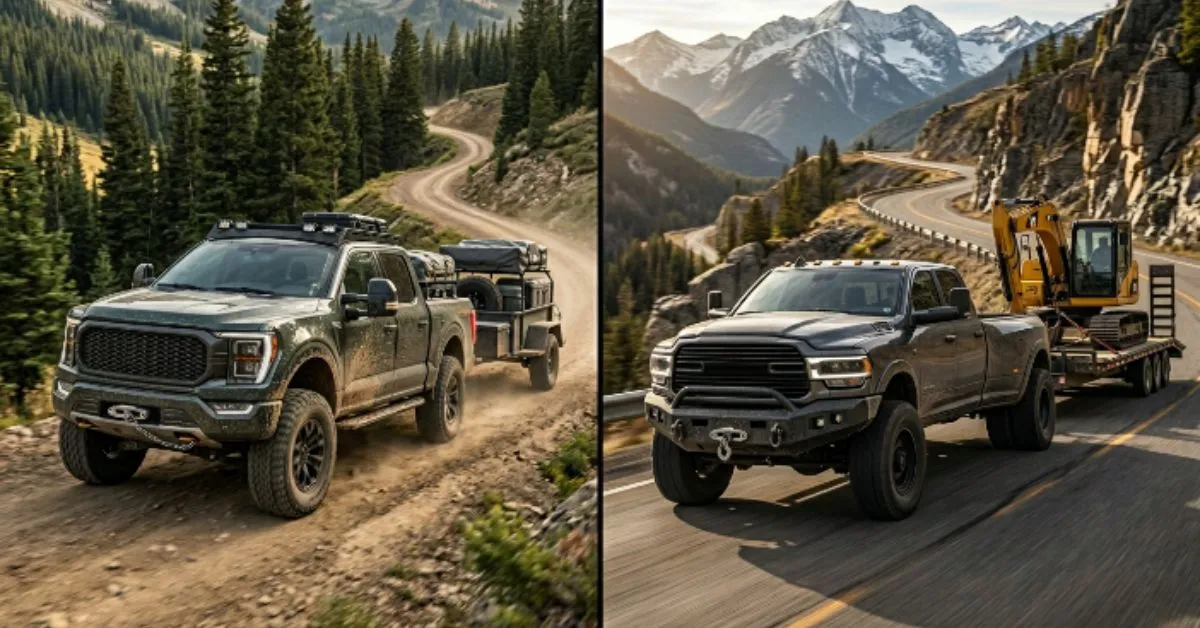
Class 3 hitch functions best during the towing of small campers, fishing boats, utility trailers, or bike racks. It is employed in family tours, weekend outings, and light haulage. This renders it an effective choice for recreational towing.
Classes 4 characteristics are more appropriate for drivers who frequently have heavy trailers, construction machinery, or may have a heavy cargo load. It is created to work hard on towing and more aggressive roads. So, it is typical in business and industry applications.
5. Safety and Performance Impact
Hooking up the right hitch type will enhance the safety of towing, braking, and the stability of the vehicle. With a well-paired Class 3 hitch, there is easy handling of moderate trailer loads without augmenting the suspension to a non-essential load. This helps maintain better ride comfort during towing.
A Class 4 hitch improves stability and strength when carrying heavier loads over long distances. Its reinforced construction helps reduce stress on the towing setup during demanding hauling conditions. This improves towing confidence and overall performance.
Also Know About: Class 3 Hitch vs A Class 4 Hitch: Powerful Towing Breakdown
Common Mistakes People Make When Choosing a Hitch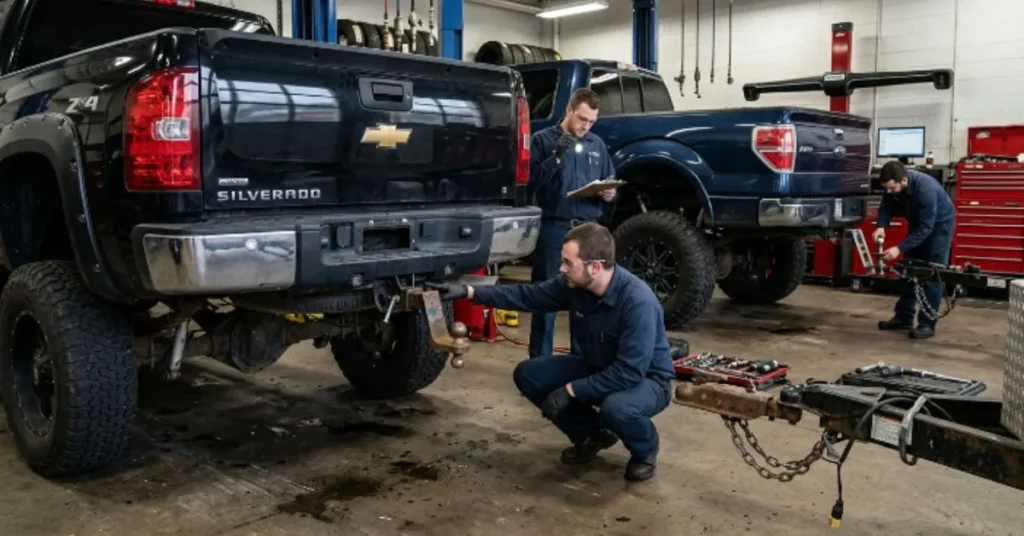
A large number of individuals pick a hitch overlooking the fact of the significance of the hitch in terms of safety and towing capability. In comparing the class 3 hitch vs a class 4 hitch, the majority of drivers simply consider size or price without giving the actual towing requirements a second thought. This can typically result in unsafe driving, lack of balance, and eventual destruction of vehicles.
- Ignoring Vehicle Towing Capacity: It is one of the greatest errors to fail to check the official towing limit on the vehicle, then proceed to choose a hitch. Each vehicle has a safe weight capacity which must not be exceeded. Failure to notice it may result in damage to the engine, brakes, and suspension in the long run.
- Choosing the Wrong Hitch Class: Most drivers make the wrong choice of which hitch class to pick due to their concerning the classification of the hitch classes. Heavy towing, through the medium of a lower class, may result in unsafe driving practices. Conversely, it is not necessary to select a higher class when one wants to do light usage, which is a waste of money.
- Overlooking Tongue Weight Limits: The force applied to the hitch by a trailer is known as tongue weight, and it is a fact that most people overlook it. Excessive steering and stability on the road can be affected by it. This renders towing unsafe, particularly when it is at higher speeds.
- Assuming Hitch Alone Increases Capacity: Some drivers believe that having a stronger hitch means that they can tow heavier. This is not the case since it is the vehicle itself that establishes the actual towing limit and not the hitch. Disregarding this may result in severe accidents and vehicle loss.
- Skipping Proper Installation: Another general error that can be involved in towing safety is improper installation. An improperly fitted or loose hitch can result in vibration or noise, or failure of the load. It should be installed correctly to be in a position to show constant and safe towing action.
Installation & Safety Tips (Why Proper Setup Matters)
One of the key elements of a safe towing setup is proper installation. Although you may have used the appropriate hitch in case of comparison between a class 3 hitch vs a class 4 hitch, improper installation may result in instability and safety hazards. A properly fitted hitch will make towing an easy task, will make it easier to control, and will last longer.
- Correct Torque and Tightening: Properly fitting each hitch with the appropriate degree of torque is required to make sure that the hitch is tight in a way that it will not roll off during the towing process. When bolts are overly loose, the hitch will move or bounce when loading. When they become too tight, it will cause damage to the mounting points over time.
- Proper Weight Distribution Setup: The weight distribution hitch is an important aspect of making your vehicle stable when towing. Unless the load is evenly distributed, it may lead to trailer sway or pressure on the rear suspension that is not evenly distributed. This complicates steering and braking.
- Checking Vehicle Alignment Before Towing: Wheel alignment influences the stability of your automobile when pulling heavy items. These may lead to pulling, uneven tire wear, and loss of control along highways because of poor alignment. An upright positioning also keeps the vehicle straight and stable.
- Using the Right Hitch Accessories: The utilization of the proper accessories, such as safety chains, trailer locks, and brake controllers, should be applied to make towing activities safer. These parts would help boost braking response on the road. In their absence, towing is more dangerous.
- Regular Inspection and Maintenance: A hitch can never be left without checking before long trips. Things can be loose bolts, rust, or damage that is worn out, which reduces the level of safety and performance in the long-term. Frequent maintenance will ensure that the installation is dependable.
Explore More: Cost to Install a Tow Hitch: Ultimate Price Guide
Which Hitch Should You Choose for Your Vehicle?
The decision of the type of hitch to be used lies in the actual way you intend to use your vehicle. Most drivers have an idea of the comparison of a class 3 hitch vs a class 4 hitch in that they seem the same, yet the correct decision is always determined depending on the towing weight, the vehicle rating, and the needs of usage per day. The greatest, most important rule is that the towing capacity of your vehicle should always dictate the ultimate limit, as opposed to the hitch.
A Class 3 hitch should be enough if you do light to medium towing (e.g., small trailers, bikes, or weekend camping equipment) with your SUV or pickup. It provides a fair ratio between power, fuel economy, and practical use. It is the kind that fits royally with drivers who do not have to pull heavy loads regularly and those who seek a secure and convenient configuration.
However, when you have a full-size truck or when you commonly pull full-size trailers, heavy equipment, or work, then a 4-hitch is the better choice. It is constructed to withstand better stress, better gross trailer weight (GTW), and more extreme towing conditions. This renders it applicable in work conditions of a serious nature or heavy hauling, when risk is the least factor to consider.
Explore More: Weight-Carrying vs. Weight-Distributing Hitch: Smart Choice
Why Professionals Choose Gresham 4 Wheel Drive for Hitch Installation 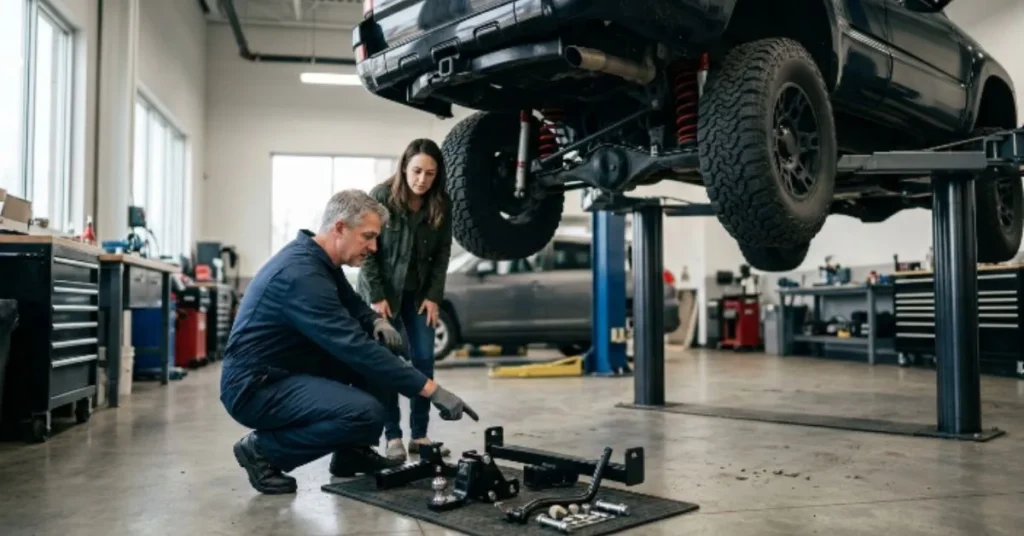
Professional installers are concerned with safety, accuracy, and longevity in terms of towing and suspension upgrades. Whether it is learning about a class 3 hitch vs a class 4 hitch or coming up with the appropriate lift kit install, experience is a key aspect in doing the job correctly. This is the reason why a lot of motorists will rather have expert-level services as opposed to the risky do-it-yourself job.
At Gresham 4 Wheel Drive, they are investigating the correct hitch installation with proper torque levels, alignment, and vehicle-specific installation. This guarantees the hitch and lift kit fit with the towing capacity of your car, the balance of the suspension, and the load distribution. An appropriate installation will reduce vibration, enhance stability, and ensure that towing is safe in every circumstance.
A complete approach whereby everything is verified collectively is also favored by professionals (hitch strength, wheel alignment, and suspension height). This will avoid major problems such as trailer sway, improper tire wear, or bad handling. Proper setup and with the help of an expert hitch installation, the drivers are provided with safer towing and better control, as well as longevity and reliability in every drive.
Conclusion
Selecting the best towing system is not only a matter of selecting a hitch; it is the knowledge of how your vehicle will perform under load, safety, and performance. The primary distinction between a class 3 hitch vs a class 4 hitch is all matters of towing capacity, weight capacity, and the extent of stress that your vehicle can safely endure on the road.
Class 3 hitch uses light to medium-weight trailers for recreational purposes. Class 4 hitch is made for heavy work with power requirements and is durable. Making a bad decision can cause instability, unsafe driving, and damage to these vehicles in the long term, and that is why it is really crucial to choose wisely.
Ultimately, never under hitch to daily usage needs and actual towing capacity of your vehicle. With proper installation, alignment, and safety tests that ensure it is installed correctly and properly, the experience of your towing benefits by being smoother, safer, and more trustworthy during each trip.
FAQs
Q. Can I upgrade from a Class 3 hitch to a Class 4 hitch later on?
Yes, upgrading from a Class 3 to a Class 4 hitch is often possible, but it depends on whether your vehicle’s frame and towing capacity can actually support the higher weight rating. Simply swapping the hitch won’t increase your vehicle’s manufacturer-rated towing limit, so the upgrade only makes sense if your vehicle was already capable of handling heavier loads. It’s best to consult a professional to confirm compatibility before making the switch.
Q. Does a Class 4 hitch cost more than a Class 3 hitch?
Yes, Class 4 hitches are generally more expensive than Class 3 hitches due to their reinforced construction and higher weight-handling capabilities. The price difference reflects the stronger materials and engineering needed to safely support heavier gross trailer weights. However, choosing a Class 4 hitch when you only need light towing means paying more than necessary for capacity you won’t use.
Q. How do I find out what hitch class my vehicle already has?
You can typically find your vehicle’s existing hitch class by checking the owner’s manual, looking for a rating sticker or stamp on the hitch itself, or checking the manufacturer’s towing specifications online. If the hitch was installed aftermarket, the installer’s paperwork or receipt should also list the class and weight rating. When in doubt, a professional shop can inspect and confirm the exact hitch class fitted to your vehicle.
Q. Are Class 3 and Class 4 hitches interchangeable on the same vehicle?
It depends on the vehicle’s frame design and mounting points, since some vehicles are built to accommodate both classes while others are limited to one specific rating. Even if the physical fitment allows for a Class 4 hitch, the vehicle’s overall towing capacity still determines the actual safe limit. Checking your vehicle’s specifications before switching hitch classes helps avoid mismatched or unsafe setups.
Q. Does towing with the wrong hitch class affect my vehicle’s warranty?
Using an improperly rated or incorrectly installed hitch could potentially affect warranty coverage if it leads to damage to components like the frame, suspension, or drivetrain. Manufacturers may deny warranty claims if it’s determined that towing beyond rated limits contributed to the issue. Choosing the correct hitch class and having it professionally installed helps protect both your vehicle and its warranty coverage.