Key Takeaways
- Light squeaking after break-in or overnight moisture is usually normal, but noise that lingers or grows needs attention.
- Squealing often means a wear indicator is doing its job, while grinding means metal-on-metal contact and urgent repair.
- Clunking or knocking often traces back to worn suspension parts rather than the brake system itself.
- Grinding with a soft pedal, vibration, pulling to one side, or a burning smell all mean you should get checked right away.
- Regular inspections, quality pads, and proper wheel alignment go a long way in keeping brakes quiet and reliable.
Quick Answer: Common brake noises include squealing, grinding, scraping, clicking, clunking, and hissing, and each can point to a different problem. Squealing may come from worn pads or normal brake break-in, while grinding often means severe pad wear and metal-to-metal contact. Clicking or clunking may involve brake hardware or suspension parts. Hissing can indicate a brake booster or vacuum issue. Loud, worsening, or unusual noises should be inspected promptly.
You’re driving home, radio on, everything feels normal. Then you press the brake pedal and hear a sharp squeal, or maybe a grinding sound that makes you pay closer attention to every stop after that. If that sounds familiar, you’re not alone.
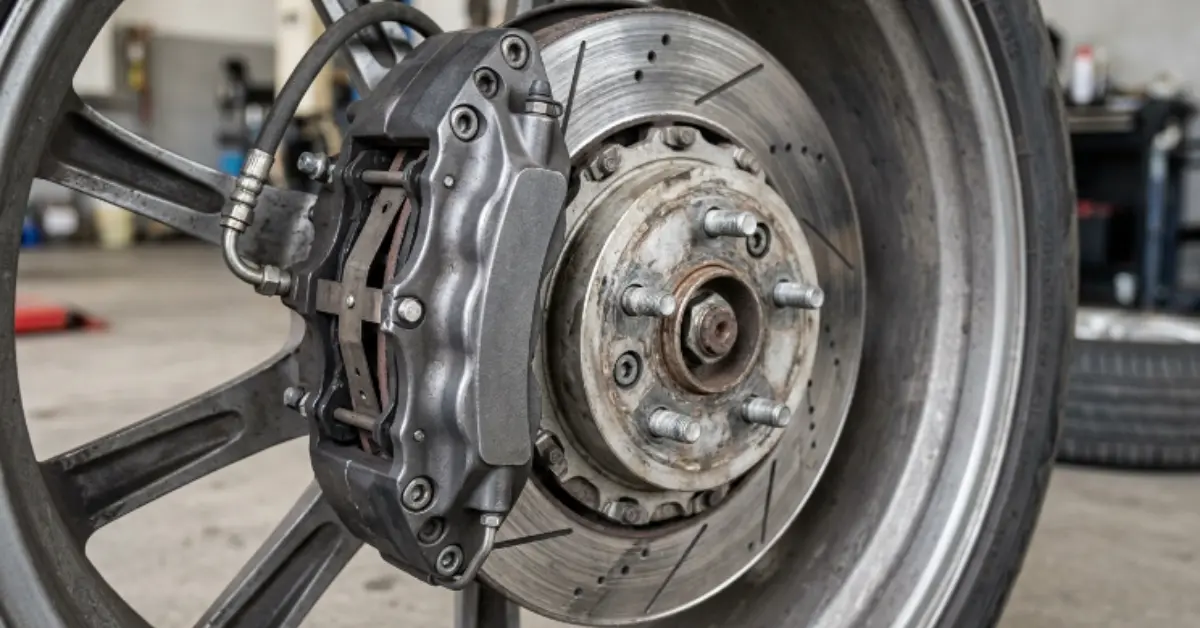
Common brake noises like squealing, grinding, clicking, and clunking are some of the most searched vehicle problems online, and for good reason. Your brake system, made up of brake pads, rotors, calipers, and hydraulic lines, is the single most important safety feature on your vehicle. Not every noise means the same thing, though. A light squeak from worn brake pads is very different from a deep grinding sound caused by metal-on-metal contact, and telling them apart matters.
In this guide, I’ll walk you through the most common brake noises drivers deal with, what typically causes each one, and how to tell a minor issue from one that needs immediate attention. I’ll also share practical tips you can use before booking a brake inspection, based on what we see day in and day out here at Gresham 4 Wheel Drive.
Why Do Brakes Make Noise Even When the Pads Are New?
This one surprises a lot of people. You’d think brand-new brake pads mean total silence, right? Not always. In fact, it’s one of the most common questions drivers ask right after a brake job. New pads often make a light noise for the first few hundred miles. This is called the “break-in”, where the pad material and rotor surface are still getting used to each other. A bit of squeaking during this time is normal and usually fades on its own. But if the noise sticks around longer than that, a few things are usually to blame:
- Low-quality or incompatible brake pads: Cheaper pads often use harder compounds that squeal more
- Uneven or glazed rotor surface: A rough or overheated rotor won’t pair smoothly with new pads
- Improperly seated caliper: If the caliper isn’t sitting or moving correctly, it can create friction noise
- Dust, debris, or rust buildup: Leftover particles between the pad and rotor cause light squeaking
- Skipped bedding-in process: Pads that weren’t broken in properly right after installation tend to stay noisy longer
So new brakes aren’t automatically quiet brakes. If the noise fades within the first week of driving, it’s likely just normal break-in. But if it’s still there after that, or shows up alongside grinding or vibration, it’s worth having someone check whether the pads, rotors, or calipers are actually working together the way they should.
Common Brake Noises and What They Usually Mean
Once you know a noise isn’t just a normal break-in, the next step is figuring out what it’s actually telling you. Not all brake sounds are created equal; some are minor, some are early warnings, and some mean you should stop driving and get things checked right away. Let’s break down the noises you’re most likely to hear, one by one, so you can match the sound to what’s likely causing it.
1. Squealing or High-Pitched Screeching
This is the most common brake noise drivers hear, usually a sharp squeal right when you first press the pedal. Most brake pads have a small metal wear indicator that rubs against the rotor once the pad gets thin, creating this sound on purpose as an early warning. It can also happen from morning moisture or dust on the rotor, in which case it often disappears after a few stops.
2. Grinding When Braking
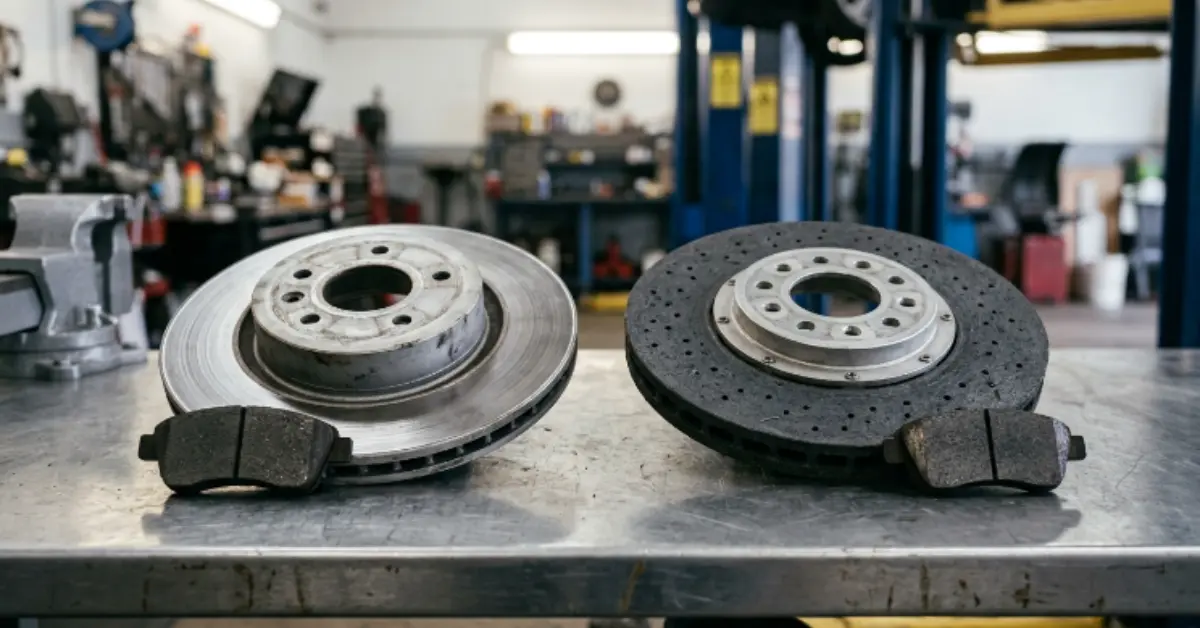
Grinding is a deep, metallic sound that shows up when you press the brake pedal, and it’s not one to ignore. It usually means the brake pads are completely worn down, leaving metal to grind directly against metal. Left alone, this can damage the rotors badly enough that they need full replacement instead of a simple resurfacing.
3. Scraping or Rubbing Sounds
A steady scraping or rubbing sound is different from grinding and often points to something physically touching the rotor that shouldn’t be. Small debris, a bent dust shield, or uneven rotor wear are the usual culprits behind this noise. Sometimes it clears up on its own, but if it continues after a short drive, it’s worth having someone take a look.
4. Clicking When Pressing the Brake
A clicking or clacking sound with every brake press is often linked to loose hardware rather than the pads themselves. Worn brake pad clips, loose caliper bolts, or a pad shifting slightly in its bracket are common causes. It’s easy to dismiss since it doesn’t sound as serious as grinding, but loose hardware can lead to uneven wear over time.
5. Clunking or Knocking
A clunk or knock while braking, especially over bumps, often isn’t about the brake pads at all. It’s more commonly tied to worn suspension parts, loose sway bar links, or worn control arm bushings. This is a good reminder that braking systems and suspension work closely together, so a noise that seems brake-related can actually trace back somewhere else.
6. Hissing When Applying the Brakes
Hissing is less common but shouldn’t be brushed off, since it’s usually related to the brake booster or a vacuum leak. You might also notice the brake pedal feels harder to press down than normal. This combination affects how much stopping power you actually have, so it falls into the “get it checked soon” category.
If brake noise means your pads may need replacing, read our guide to the cost of changing brake pads to understand the typical parts and labor expenses.
Signs Your Brake Noise Needs Immediate Attention
Not every brake noise means you need to pull over right now, but some situations shouldn’t wait. When certain sounds show up together with other warning signs, it usually means the issue has moved past “monitor it” and into “get it checked today.” Here are the signs worth taking seriously.
- Grinding With a Soft or Spongy Pedal: When a grinding noise shows up alongside a pedal that feels soft or sinks lower than usual, it often means your braking power is already reduced. This combination points to worn pads and a potential issue with brake fluid or the hydraulic system at the same time.
- Vibration Through the Steering Wheel or Pedal: If you feel shaking or pulsing through the steering wheel or brake pedal when stopping, it’s usually a sign of warped or uneven rotors. This isn’t just uncomfortable to drive with; it also means your stopping distance may be affected.
- The Car Pulling to One Side: A vehicle that pulls left or right while braking often has uneven brake wear, a sticking caliper, or an alignment issue. This makes the car harder to control during sudden stops, which becomes especially risky in wet or emergency braking situations.
- A Burning Smell After Driving: A sharp, burning odor after a drive usually points to overheated brakes, often from a caliper that isn’t releasing properly. Continuing to drive with this smell present can quickly turn a minor issue into rotor or pad damage.
- Noise That Gets Louder Within Days: Any brake noise that noticeably worsens over just a few days signals fast wear rather than a slow, normal process. This kind of quick change is your vehicle’s way of saying the problem needs attention now, not next month.
If you need new brake pads, compare carbon-fiber ceramic vs. ceramic brake pads to understand their differences in performance, noise, and cost.
How to Prevent Common Brake Noises
A lot of brake noise is avoidable with a bit of regular attention, rather than something you just wait to fix. Most common brake noises develop slowly, which means small habits now can save you from bigger repairs later. Here’s what actually makes a difference.
- Stick to a Regular Inspection Schedule: Getting your brakes checked every 10,000 to 12,000 miles helps catch wear before it turns into noise or damage. Waiting until something sounds wrong usually means the problem has already progressed further than it needed to.
- Choose Quality Brake Pads: Lower-cost pads often wear faster and produce more noise, especially under regular city or highway driving. Investing in better-quality pads upfront tends to mean quieter, longer-lasting performance overall.
- Keep an Eye on Rotor Condition: Rotors wear down just like pads do, even though they’re easy to overlook during a routine check. Resurfacing or replacing them at the right time prevents the uneven surface that often causes squealing or vibration.
- Don’t Ignore Wheel Alignment: Misalignment causes pads and rotors to wear unevenly, which is a common hidden cause of ongoing brake noise. Getting your alignment checked periodically helps your brakes wear evenly and stay quieter for longer.
- Clean Brake Dust Regularly: Built-up brake dust and debris can work their way between the pad and rotor, creating scraping or rubbing sounds. Regular cleaning, especially if you drive on dusty or gravel roads, helps prevent this buildup from becoming a noise issue.
Why Drivers Trust Gresham 4 Wheel Drive for Diagnosing Brake Noise
Brake noise can be a sign of worn brake pads, damaged rotors, or other issues that need attention. At Gresham 4 Wheel Drive, we inspect your braking system to help identify the source of the noise and determine the right repair for your vehicle. We look beyond the sound itself because problems with suspension components, wheel alignment, or vehicle modifications can also contribute to uneven wear and unusual noises.
Our experience with trucks, SUVs, lifted vehicles, brake systems, wheel alignments, and suspension systems** helps us assess how these components work together. Rather than simply replacing a part and hoping the noise goes away, we focus on finding the underlying cause and recommending the appropriate services.
When you bring your vehicle to Gresham 4 Wheel Drive, you get a careful inspection and a repair approach based on what your vehicle actually needs. Our goal is to help you address brake noise, restore dependable braking performance, and drive with greater confidence.
Conclusion
Common brake noises aren’t something to brush off, but they’re also not always a reason to panic. The key is learning to distinguish between normal wear-related sounds and warning signs that need immediate attention.
Squealing often indicates a pad wear indicator doing its job, while grinding lxhlsufsc metal-on-metal contact needs prompt attention. Clicking, clunking, and hissing each tell their own story, and sometimes that story involves your suspension or alignment rather than the brakes themselves.
If you’re hearing any of these sounds and aren’t sure what they mean, don’t wait until it turns into a bigger repair. Gresham 4 Wheel Drive can catch the issue early, save you money, and, more importantly, keep you and everyone on the road with you safe.
FAQs
Why does my car make noise when stopping?
Most stopping noises come from brake pad wear indicators, dust between the pad and rotor, or worn-out pads causing metal-to-metal contact. The type of sound, whether it’s a squeal or a grind, usually tells you how serious the issue is.
Can I drive if I hear squeaking brakes?
Light, occasional squeaking is often safe to drive with in the short term, especially right after the car has been sitting overnight. But if the squeaking is constant or getting louder, it’s best to get your pads checked soon rather than waiting it out.
Where can I get a professional brake inspection?
A shop that handles brakes, alignment, and suspension together is your best option, since these systems often affect each other. Gresham 4 Wheel Drive offers full-service inspections and can pinpoint whether the issue is pad-related, alignment-related, or something else entirely.