
Key Takeaways
- Brake pad replacement typically costs $150–$400 per axle for pads only, or $300–$650 per axle if rotors need replacing too.
- Pad material matters: organic pads are the cheapest but wear fastest, while ceramic pads cost more upfront but last longer and reduce rotor wear.
- Whether your rotors need replacing is the biggest cost swing factor, so always ask your mechanic to measure rotor thickness before approving extra charges.
- Squealing, grinding, pulling, or a soft pedal are early warning signs. Catching them early keeps repair costs on the lower end.
- Vehicles with lift kits or bigger tires put extra strain on brakes, making experienced, specialized shops like Gresham 4 Wheel Drive a smarter choice than a standalone brake shop.
Quick Answer: Long-arm lift kits offer better suspension geometry, ride quality, and off-road performance at higher lift heights, while short-arm kits are more affordable, easier to install, and better suited to moderate lifts. The right choice depends on your lift height, driving needs, budget, and how much off-road performance you want.
Your brakes just made that sound. You know the one that high-pitched squeal every time you slow down at a light. Or maybe your mechanic simply pointed at a worn-down pad and said, “This needs to happen soon.” Either way, you’re here because you want a real number, not a runaround.
I’ve been doing brake work long enough to know exactly what most drivers actually want to know: the cost of changing brake pads, without the sales pitch. That number depends on more than most people expect: your vehicle type, whether your rotors are still good, the pad material you choose, and even whether you’re running bigger tires or a lift kit that puts extra strain on your braking system.
In this guide, I’ll break down the real price range for brake pad replacement, what drives that price up or down, and how to avoid mistakes that turn a simple pad swap into an expensive repair bill. And if you’re near Gresham and want it done right the first time, that’s exactly what we handle every day at Gresham 4 Wheel Drive & Alignments.
What Are Brake Pads?
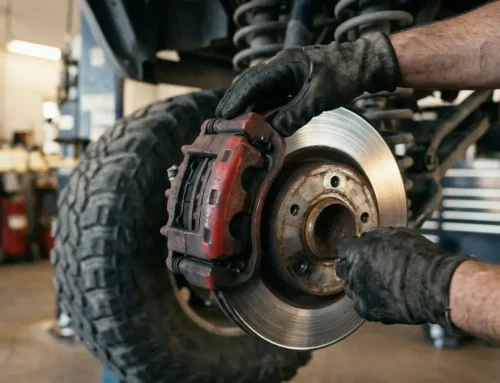
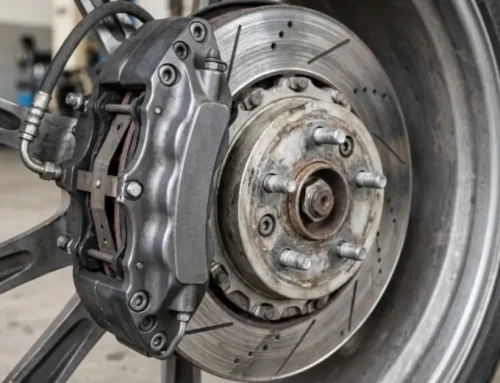
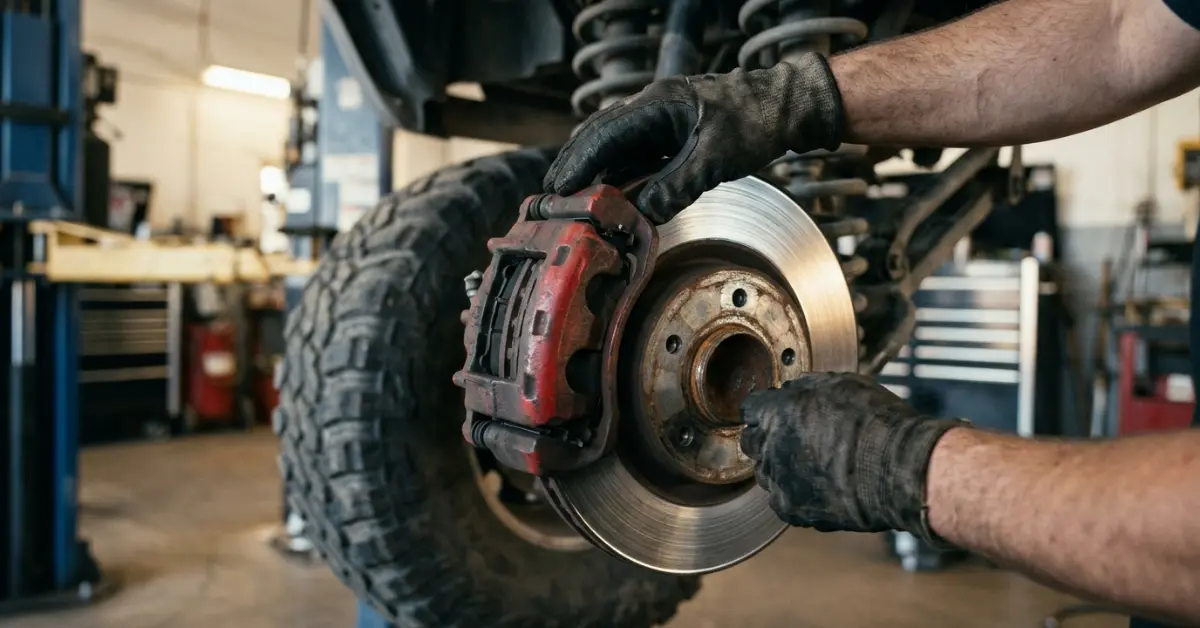
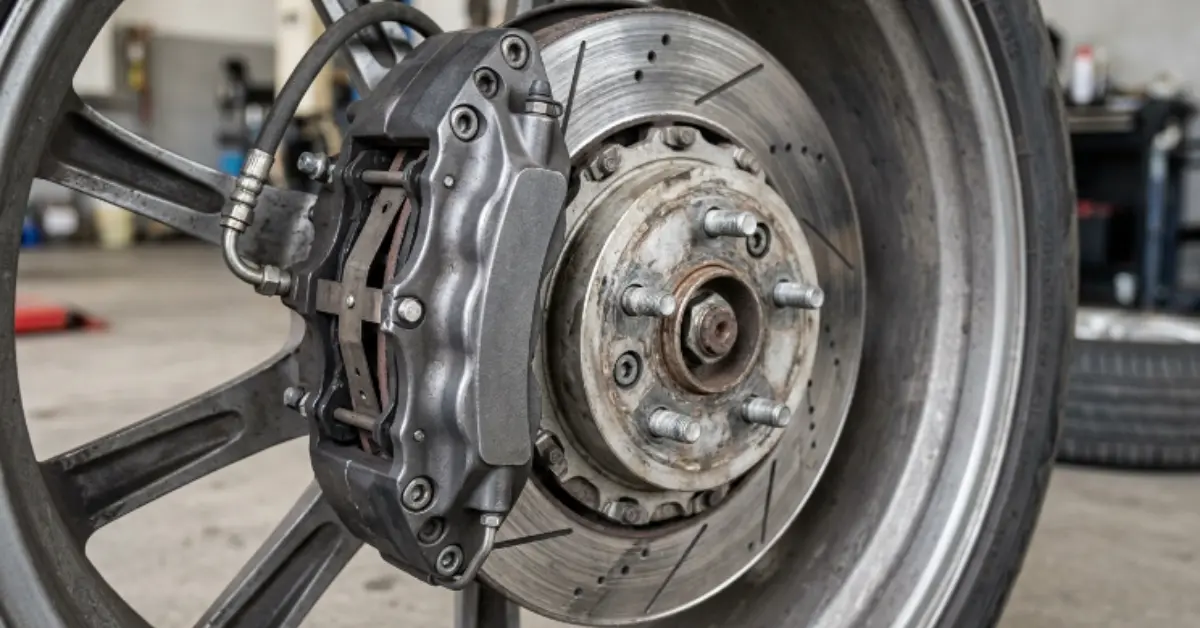
Brake pads are the small but critical components that press against your brake rotors every time you hit the brake pedal. That friction is what slows your car down and eventually brings it to a stop. Without them, your braking system simply wouldn’t work no matter how good your rotors, calipers, or brake fluid are.
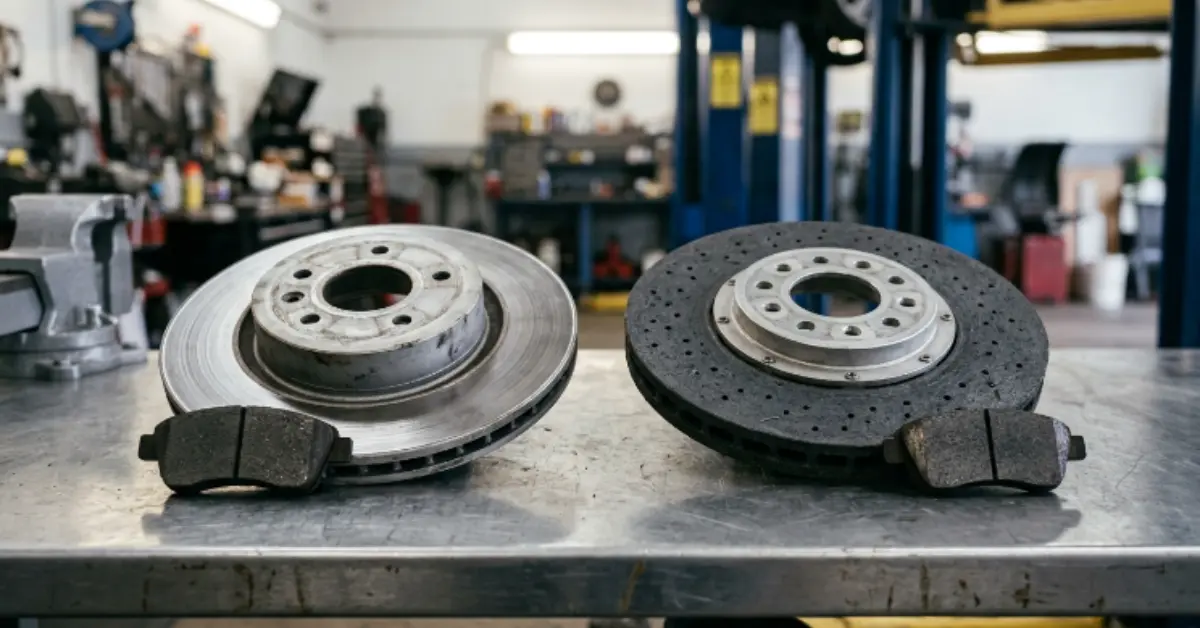
Most vehicles use one of three types of brake pad material:
- Organic pads: Made from rubber, glass, and other fibers. Quiet and budget-friendly, but they wear out faster.
- Semi-metallic pads: Blended with metal fibers for better stopping power and durability. The most common choice for everyday driving.
- Ceramic pads: Made from ceramic fibers and dense materials. They run cooler, produce less brake dust, and last longer, but usually cost more upfront.
Every time you brake, a small amount of the pad material wears away. That’s normal; it’s how brake pads are designed to work. The problem starts when they wear down too far and stop doing their job properly, which is exactly when brake pad replacement becomes necessary and when cost starts to matter.
How Much Does It Cost to Change Brake Pads?
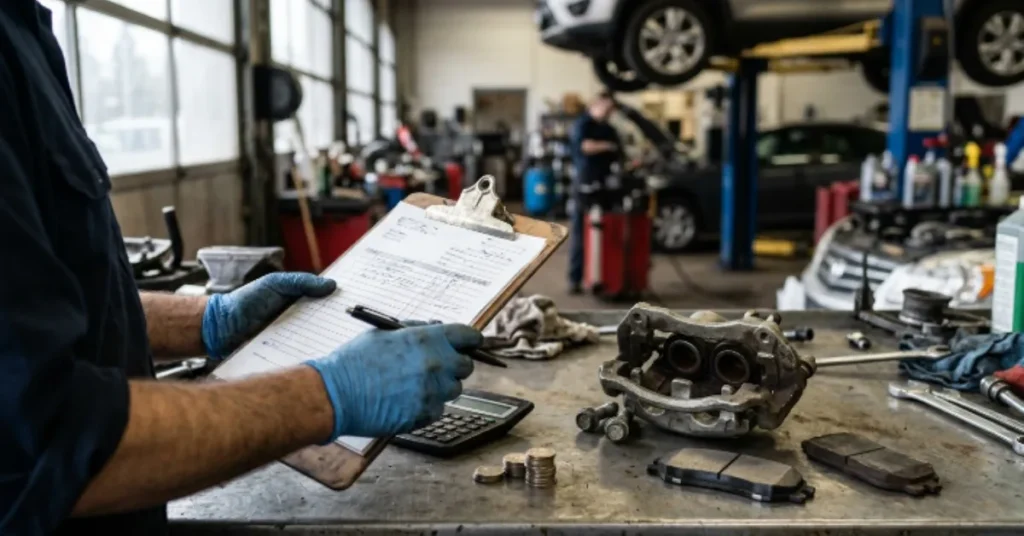
On average, the cost of changing brake pads runs between $150 and $400 per axle if you’re only replacing the pads themselves, and $300 to $650 per axle if your rotors need to be replaced at the same time. That’s parts and labor combined, and it covers most everyday sedans, SUVs, and trucks. A brake job costs about $150 to $650 per axle in 2026 for a typical car, parts and labor together
Here’s why that range is so wide, broken down by what you’re actually paying for:
- Pads only, independent shop: Expect to pay $150 to $300 per axle for pads only, or $300 to $600 per axle for pads and rotors
- Pads only, dealership: Dealer pricing runs noticeably higher, since installed pads cost $150–$300 per axle at an independent shop and $250 to $500 at a dealer
- Parts cost alone (before labor): Organic pads cost $25 to $50, semi-metallic $40 to $70, and ceramic $60–$120 per axle at the parts counter
- Labor cost: Most shops bill 0.8 to 1.5 hours per axle, which makes up 30 to 50% of the total bill
- Pads and rotors together: If your rotors are too thin or damaged, the job shifts to $300 to $600 per axle for pads and rotors combined
- All four brakes: Replacing pads on all four wheels typically runs $300 to $600 for pads only, or $600 to $1,200 total if rotors are also replaced
So, if your mechanic quotes you anywhere in that range, you’re likely paying a fair price. If a quote comes in far above $650 per axle for a standard vehicle, it’s worth asking exactly what’s included. Pads, rotors, hardware, and fluid can all be bundled differently from shop to shop.
What Affects the Cost of Changing Brake Pads?
Not every brake job costs the same, even on similar-looking cars. The final bill depends on a mix of factors that most drivers never think about until they see the invoice. Some of these are within your control, like the pad material you pick, while others depend entirely on your vehicle and where you live. Understanding each one helps you make sense of why one quote looks so different from another.
- Vehicle Type and Brake System Size: Bigger vehicles need bigger brakes, and bigger brakes cost more to service. A compact sedan will almost always land at the lower end of the price range, while a truck, SUV, or lifted vehicle needs larger pads and rotors built to handle more weight.
- Brake Pad Material You Choose: Organic, semi-metallic, and ceramic pads all carry different price tags and different lifespans. Choosing ceramic pads costs more upfront but usually saves money over time since they last longer and cause less rotor wear.
- Whether Rotors Need Replacing: This is one of the biggest swing factors in your total cost. If your rotors are still within a safe thickness, you’ll only pay for pads and labor, but worn or grooved rotors add a significant jump to the bill.
- Labor Rates in Your Area: Labor pricing varies a lot between independent shops and dealerships, and even between cities. Dealerships typically charge more per hour due to higher overhead, while independent shops often offer similar quality work at a lower labor rate.
- Hardware and Brake Fluid Add-Ons: A proper brake job usually includes small parts like clips, springs, and pins, plus sometimes a brake fluid flush. These add-ons are inexpensive individually, but skipping them can lead to squeaking or reduced braking performance down the road.
How to Save Money on Brake Pad Replacement
Saving money on brake pad replacement doesn’t mean choosing the cheapest option available. It means knowing where the flexibility actually exists in your bill and where it doesn’t. Some costs are fixed because of your vehicle, but others depend entirely on choices you make before booking the job. A few smart decisions can lower your total without putting your safety at risk.
- Compare Quotes From Multiple Shops: Prices for the same job can vary significantly between shops in the same city. Getting two or three quotes before booking gives you a realistic sense of fair pricing. It also helps you spot a quote that seems unusually high or suspiciously low.
- Choose Independent Shops Over Dealerships: Dealerships often charge more per hour due to higher overhead and brand-specific pricing. Independent shops frequently offer the same quality of work using OE-equivalent parts. This alone can shave a meaningful amount off your total bill.
- Ask If Rotors Actually Need Replacing: Not every brake job requires new rotors, even if a shop recommends it. Ask your mechanic to measure the rotor thickness and show you the results. If they’re still within spec, you can save the rotor cost entirely.
- Pick the Right Pad Material for Your Driving: Ceramic pads cost more upfront but last longer and reduce rotor wear over time. Semi-metallic pads are a solid middle ground for everyday driving needs. Matching pad material to your driving habits avoids overpaying for performance you don’t need.
- Bundle Maintenance During the Same Visit: If your brake fluid or hardware also needs attention, doing it during the same visit saves on labor. Separate visits mean paying for diagnostic and setup time more than once. One combined appointment is almost always more cost-effective.
Signs You Need to Change Your Brake Pads (Before It Costs More)
Brake pads rarely fail without warning. In most cases, your vehicle gives you clear signals well before the problem becomes serious or expensive. Catching these signs early keeps you in the lower end of the repair cost range instead of the higher one. Here are the most common warning signs to watch for.
- Squealing or Screeching Noise: A high-pitched squeal when braking usually means the wear indicator on your pads has started rubbing against the rotor. This sound gets louder and more frequent as the pad wears down further. It’s your car’s built-in early warning system.
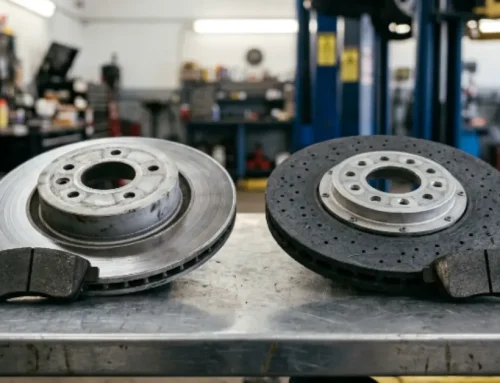
- Grinding Sound While Braking: A grinding noise is more serious and often means the pad material is completely worn away. At this point, metal is likely grinding against metal, which can damage your rotors. This usually turns a simple pad job into a pad-and-rotor replacement.
- Vehicle Pulling to One Side: If your car pulls left or right when you brake, one pad may be wearing unevenly compared to the other. This can also point to a caliper issue that needs attention alongside the pads. Ignoring this can lead to uneven rotor wear over time.
- Soft or Spongy Brake Pedal: A brake pedal that feels softer than usual or sinks closer to the floor can indicate worn pads or a brake system issue. This reduces your stopping power exactly when you need it most. It’s a sign that shouldn’t be delayed.
- Dashboard Brake Warning Light: Many modern vehicles have a sensor that triggers a dashboard warning light when pads reach a certain wear level. This is one of the clearest, most direct signs your vehicle can give you. Getting it checked promptly avoids the added cost of rotor damage.
How to Avoid Mistakes When Changing Brake Pads
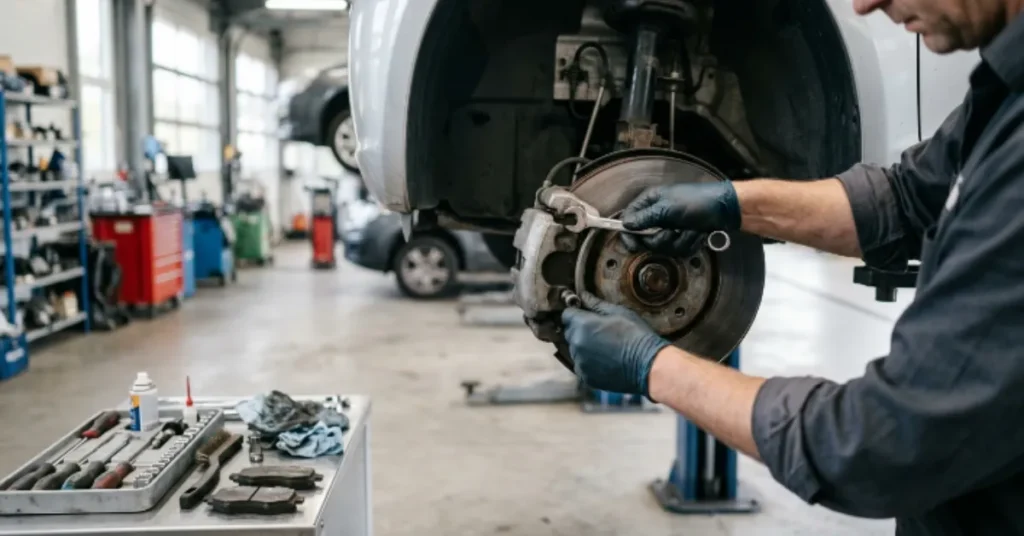
Brake pad replacement seems simple, but small mistakes can turn a routine job into a repeat visit or a safety issue. Some of these errors come from rushing the job, while others come from skipping steps that seem optional. Knowing what to watch for helps you avoid paying for the same repair twice. Here are the most common mistakes and how to steer clear of them.
- Skipping the Hardware Replacement: Reusing old clips, springs, and pins might seem harmless, but worn hardware causes squeaking and uneven pad wear. Fresh hardware keeps the pads seated correctly and reduces noise. It’s a small cost that prevents a bigger headache later.
- Ignoring Rotor Condition: Installing new pads on damaged or overly worn rotors leads to poor braking performance almost immediately. Rotors should always be measured and inspected before the job is finished. This step prevents a comeback repair within weeks.
- Not Bedding in New Pads Properly: New brake pads need a proper break-in time to bond correctly with the rotor surface. Skipping this step can cause weaker stopping power and uneven wear early on. A short, controlled bedding-in process makes a real difference.
- Overlooking the Brake Fluid: Old, contaminated brake fluid can affect how well your new pads perform, even if the pads themselves are perfect. Fluid should be checked and flushed if it’s overdue. This keeps the entire braking system working as one unit.
- Choosing the Wrong Pad Type for the Vehicle: Not every pad material suits every driving style or vehicle weight. Using pads not rated for your vehicle’s load can lead to faster wear or reduced stopping power. Matching the pad type to your vehicle avoids performance issues down the line.
Why Choose Gresham 4 Wheel Drive & Alignments for Brake Service?
When it comes to brake work, experience matters more than most people realize. Brakes aren’t something you want to gamble on, and that’s exactly why we treat every job at Gresham 4 Wheel Drive & Alignment with the same care we’d want for our own vehicles. We inspect rotors and pad wear before recommending any replacement, so you’re never paying for parts you don’t actually need, and we explain the cost upfront with no surprise charges.
We also specialize in trucks, SUVs, and lifted vehicles, which matters more than people realize. Bigger tires and lift kits change how your braking system handles weight and stress, and that’s a relationship we understand well because it’s what we work on daily. Every brake job includes proper hardware replacement clips, springs, and pins so you’re not back in our shop a few weeks later for a noise complaint.
Since we also handle lift kit installation and alignment, we can catch related issues, like uneven tire wear, that a standalone brake shop might miss. If you’re near Gresham and want reliable brake service, Gresham 4 Wheel Drive & Alignments is glad to give your vehicle a straight answer, not just a quote.
Conclusion
At the end of the day, the cost of changing brake pads comes down to a few simple factors: your vehicle type, the pad material you choose, whether your rotors need attention, and where you get the work done. For most drivers, that means budgeting somewhere between $150 and $650 per axle, depending on those variables.
The real key to keeping that cost low isn’t finding the cheapest shop; it’s catching the warning signs early, asking the right questions before you approve any repair, and avoiding the common mistakes that turn a simple pad swap into a bigger bill. A little attention now almost always saves you money later.
If you’re due for a brake check or just want an honest, upfront quote, Gresham 4 Wheel Drive is here to help. From routine pad replacement to brake service on lifted trucks and SUVs, we’ll give you a straight answer and a job done right the first time.
FAQs
Q. How long do brake pads typically last before needing replacement?
Brake pad lifespan varies widely depending on driving habits, pad material, and vehicle type, but most pads last anywhere between 25,000 and 70,000 miles. Aggressive city driving with frequent stops wears pads down faster than highway driving with fewer braking events. Regular inspection helps determine your specific pad’s remaining life rather than relying solely on mileage estimates.
Q. Can I drive my car if I hear brake pads squealing?
Yes, a squealing sound alone usually indicates the wear indicator is contacting the rotor, which is a warning sign rather than an immediate safety failure, so short-distance driving is generally fine. However, continuing to drive for an extended period without addressing it can lead to grinding and rotor damage, turning a simple repair into a costlier one. It’s best to schedule a brake inspection soon after noticing the squealing to avoid escalating the issue.
Q. Does brake pad replacement affect my car’s fuel efficiency?
Worn brake pads themselves don’t significantly impact fuel efficiency, but a sticking caliper or dragging pad caused by neglected brake issues can create extra resistance and reduce efficiency slightly. Replacing worn pads with properly functioning ones restores normal braking performance without adding unnecessary drag. Any noticeable fuel efficiency change is usually tied to a related brake system issue rather than the pad replacement itself.
Q. Does brake pad replacement cost more for electric or hybrid vehicles?
Brake pad costs for electric and hybrid vehicles can vary, but many of these vehicles use regenerative braking, which reduces wear on traditional brake pads and often extends their lifespan significantly. When replacement is needed, parts and labor costs are generally comparable to conventional vehicles, though some specialized systems may cost slightly more. It’s worth checking with a shop experienced in servicing hybrid or electric brake systems for accurate pricing.
Q. What happens if I ignore worn brake pads for too long?
Ignoring worn brake pads eventually leads to metal-on-metal contact, which damages your rotors and significantly increases repair costs beyond a simple pad replacement. It also compromises your vehicle’s stopping power, creating a genuine safety risk, especially in emergency braking situations. Addressing brake pad wear early almost always saves money and keeps your vehicle safer to drive.