Key Takeaways
- Brake system maintenance is a full check of the pads, rotors, calipers, brake lines, fluid, and ABS, not just a pad change.
- Trucks, SUVs, and lifted 4x4s need closer attention because extra weight, towing, off-roading, and bigger tires put more stress on the brakes.
- Spot problems early. Squealing, a spongy pedal, pulling, or vibration usually means a small fix now will prevent a costly repair later.
- Routine brake service typically costs $100 to $400, but waiting until damage spreads to the rotors and calipers can double or triple the bill.
- Simple habits between visits help: check the brake fluid, rinse your brakes after off-road trips, and leave bleeding lines and caliper work to a professional.
Quick Answer: Brake system maintenance is the routine inspection, cleaning, and replacement of brake parts, including the pads, rotors, calipers, brake lines, and brake fluid, to keep a vehicle stopping safely. Most vehicles need a brake inspection at least once a year. Trucks, SUVs, and lifted 4x4s need it more often because of extra towing and off-road use. A routine service typically costs $100 to $400, while ignoring warning signs like squealing, a spongy pedal, or pulling can lead to much bigger repair bills.
You’re heading down a steep hill with a loaded truck, and the brake pedal feels softer than usual. It sinks a little further than it should. Your stomach drops. In my experience, most drivers in this spot didn’t ignore a big warning. They simply put off brake system maintenance because everything seemed fine. Brakes rarely fail overnight. They wear down slowly, and the small signs are easy to miss.
This matters even more if you drive a truck, SUV, or 4×4. Extra weight, towing, mud, and rough trails put more stress on your brake pads, rotors, calipers, and brake fluid. Add a lift kit or oversized tires, and your stopping distance can grow without you noticing. That is why regular brake system maintenance is one of the simplest and most affordable ways to stay safe.
At Gresham 4 Wheel Drive & Alignment, we work on lifted trucks and 4x4s every day, so we know how much these vehicles ask from their brakes. In this guide, I’ll explain what brake maintenance includes, what it costs, and which warning signs to watch for. I’ll also show you what you can check at home and how trucks differ from regular cars. Let’s start with the basics.
What Is Brake System Maintenance?
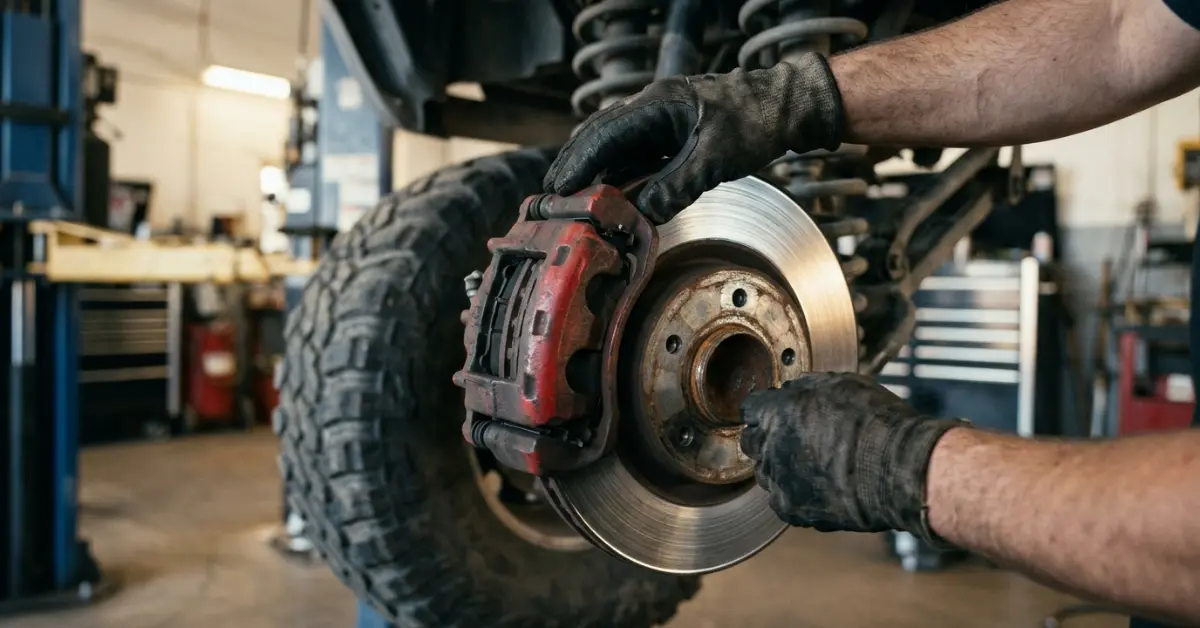
Brake system maintenance is the routine inspection, cleaning, adjustment, and replacement of brake parts to keep your vehicle stopping safely and reliably. It covers the brake pads, rotors, calipers, brake lines, and brake fluid. On most modern vehicles, it also includes the master cylinder and the ABS (anti-lock braking system).
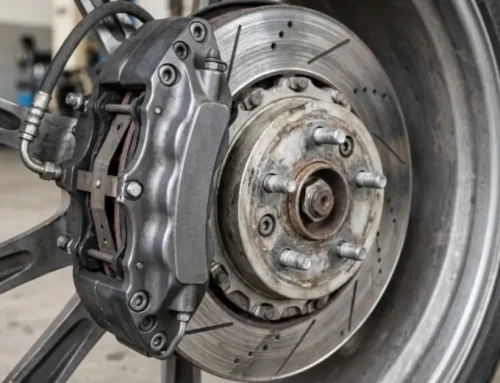
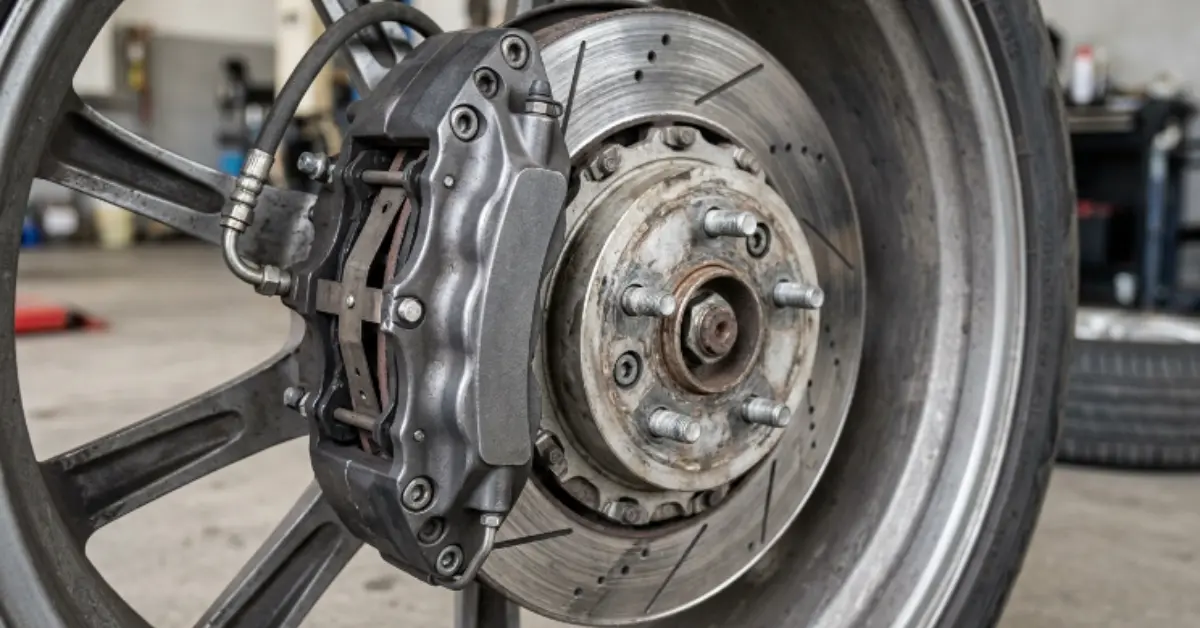
Think of it like an oil change for your brakes. Every time you press the pedal, the master cylinder pushes brake fluid through the brake lines. That pressure moves the calipers, which squeeze the pads against the rotors. The friction slows your wheels and stops the vehicle. Because each part depends on the others, one weak link affects the whole system. Old brake fluid can hold moisture and lower braking power, worn pads can damage rotors, and a sticking caliper can wear one side faster than the other.
That is why the brake system is more than just changing pads. At Gresham 4 Wheel Drive & Alignment, we check the full system, see how each part is wearing, and fix small issues early, before they turn into costly repairs or safety risks.
Why Is Regular Brake Maintenance Important?
Regular brake maintenance is important because it keeps your stopping distance short, prevents sudden brake failure, and saves you money on bigger repairs. Brakes are one of your vehicle’s most important safety systems, and they wear out a little every time you use them. Keeping your brakes in good shape is a key part of staying safe on the road.
The biggest reason is safety. Worn pads, old brake fluid, or a warped rotor can add extra feet to your stopping distance, and those feet matter in an emergency. Trucks and SUVs already weigh more than most cars, so they need more braking power to stop. If you tow a trailer or drive a lifted truck with oversized tires, the demand is even higher. Skipping brake system maintenance in these conditions can lead to brake fade, a spongy brake pedal, or even a total loss of braking power.
Cost is the second reason. A set of worn pads is an easy, affordable fix. But if you wait until they grind down to the metal, you can ruin the rotors and calipers too, and the repair bill can double or triple. At Gresham 4 Wheel Drive & Alignment, we often tell customers that a quick brake inspection costs far less than fixing damage caused by neglect.
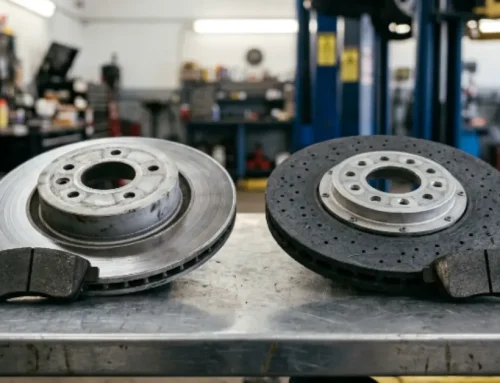
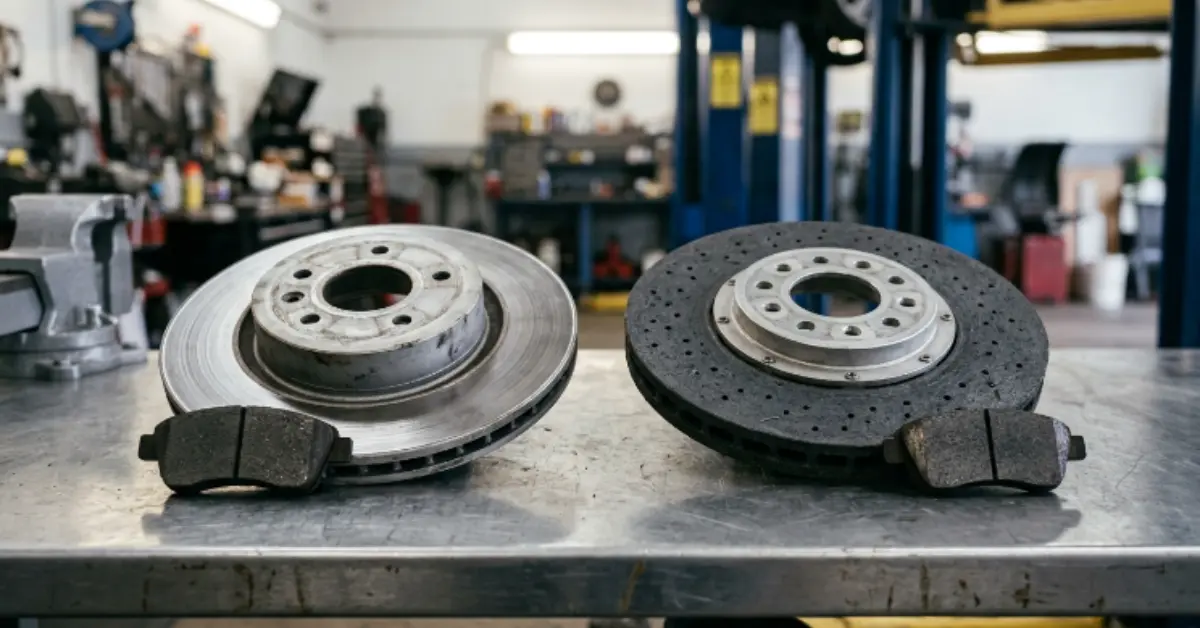
Choosing the right brake pads is an important part of brake system maintenance. Read our guide on carbon-fiber ceramic vs. ceramic brake pads to compare their performance, durability, and everyday driving benefits.
What Parts Are Checked During a Brake System Inspection?
A proper brake inspection looks at every part that helps your vehicle stop, not just the pads. We check the parts below, and we look at how each one is wearing so small problems get caught early. This is the heart of good brake system maintenance.
Key points checked during a brake inspection:
- Brake pads: We measure the pad thickness. Most shops replace pads when they wear down to about 3 mm, since thin pads lose stopping power and can damage the rotors.
- Rotors: We look for deep grooves, rust, cracks, and warping. A warped rotor often causes a shaking pedal or steering wheel.
- Calipers: We make sure they move freely and are not leaking. A sticking caliper can make the truck pull to one side.
- Brake fluid: We check the level and color. Dark or dirty fluid has likely absorbed moisture and needs a brake fluid flush.
- Brake lines and hoses: We look for cracks, bulges, leaks, and rust. Off-road trucks are more likely to have damage here from mud, rocks, and salt.
- Master cylinder: We check for leaks and a soft pedal feel, which can point to internal wear.
- ABS and warning lights: We scan for codes and make sure the anti-lock braking system works properly.
- Parking brake: We test that it holds and releases smoothly, since cables can rust or stick over time.
- Wheels and tires: We check tire wear and alignment, because uneven wear can point to a brake or suspension issue.
For lifted trucks and 4x4s, we also check that the brake parts match the vehicle’s new height, tire size, and weight. After a lift kit or oversized tires, brake lines can be stretched, and the original brakes may work harder than before.
Brake fluid also plays a vital role in reliable braking performance. Learn how often you need to change brake fluid and what to expect during this essential maintenance service.
How to Maintain Your Brakes Between Professional Inspections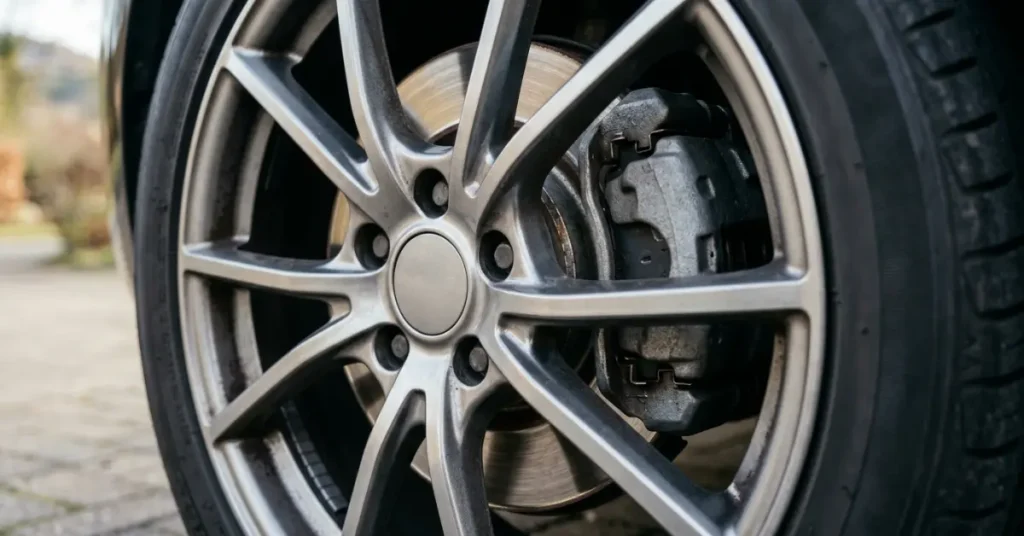
You don’t need to be a mechanic to look after your brakes. A few simple habits can make your pads and rotors last longer and help you spot trouble early. Think of these as small steps that support your regular brake system maintenance.
- Check Your Brake Fluid Regularly: Pop the hood once a month and look at the brake fluid reservoir. The level should sit between the minimum and maximum marks, and the fluid should look clear to light amber, not dark or cloudy.
- Listen and Feel as You Drive: Pay attention to new sounds, vibrations, or changes in the pedal feel. Turn the radio down now and then and brake gently in a safe spot, because small changes are easy to miss when you drive every day.
- Look at Your Pads and Rotors: Peek through your wheel spokes with a flashlight to see how thick your brake pads look. The rotors should be smooth, so deep grooves, rust patches, or a blue tint from heat are signs to book a service.
- Drive in a Way That Protects Your Brakes: Ease off the gas early and brake smoothly instead of stopping hard at the last second. When going down a long hill or towing, shift to a lower gear so the engine helps slow you down and your brakes stay cooler.
- Keep Your Brakes Clean After Off-Road Driving: Mud, sand, and water can wear down pads and rotors faster. After a trail day, rinse your wheels and brakes with clean water, then let them dry before you check for stuck debris or leaks.
How Much Does Brake System Maintenance Cost?
Brake system maintenance costs about $100 to $400 for a routine service on most vehicles, but trucks, SUVs, and lifted 4x4s usually land at the higher end. Most routine visits cost between $50 and $200, depending on what is due and what you drive.
Typical maintenance costs:
- Brake inspection: Often free or low-cost, especially when booked with an oil change, tire rotation, or alignment.
- Brake fluid flush: About $70 to $180, depending on your vehicle and the type of fluid.
- Brake cleaning and lubrication: Usually $50 to $150 per axle, and it keeps calipers and pads moving freely.
- Pad and rotor wear check: Usually included in the inspection, so you know how much life your brakes have left.
Your driving habits also change the cost. Towing, off-roading, and heavy loads mean you may need service more often. Still, a yearly inspection and a timely fluid flush cost far less than ignoring your brakes. At Gresham 4 Wheel Drive & Alignment, we give you a clear quote after the inspection, so you know exactly what your vehicle needs before any work begins.
Brake pad replacement is an important maintenance expense to consider. Our guide to the cost of changing brake pads explains the factors that affect replacement costs, including parts and labor.
Common Brake Maintenance Mistakes to Avoid
Most brake problems I see in the shop come from small mistakes that could have been avoided. The good news is that they are easy to fix once you know what they are. Avoiding these errors will make your brake maintenance more effective and keep repair bills down.
- Ignoring Early Warning Signs: A small squeal or a slightly soft pedal is easy to brush off, but these are the first signs of wear. Waiting turns a simple pad change into a bigger repair that can include rotors and calipers.
- Skipping Brake Fluid Changes: Many drivers focus on pads and forget the fluid. Old brake fluid absorbs moisture over time, which lowers braking power and can cause rust inside the brake lines.
- Replacing Pads Without Checking the Rotors: New pads on worn or warped rotors wear out faster and can cause shaking or brake noise. Always have the rotors measured, then resurfaced or replaced if needed.
- Using the Wrong Parts for Your Vehicle: Cheap or mismatched pads and rotors may not handle the weight of a truck, heavy towing, or oversized tires. Choose parts built for your vehicle and the way you drive it.
- Trying Risky DIY Repairs: Changing pads at home is possible for some drivers, but bleeding brake lines or fixing calipers is easy to get wrong. Air in the lines or a loose part can lead to brake failure, so leave complex jobs to a professional.
Why Choose Gresham 4 Wheel Drive & Alignment for Brake System Maintenance?
Brakes are not a part you want to trust to just anyone, especially on a heavy truck or lifted 4×4. At Gresham 4 Wheel Drive & Alignment, we work on these vehicles every day, so we know how much stress they put on pads, rotors, calipers, and brake fluid. That experience shapes how we approach brake system maintenance.
We do a full inspection, not just a pad change. We check the pads, rotors, calipers, brake lines, fluid, and ABS, then explain what needs work now and what can wait. After a lift kit or tire upgrade, we also make sure your brakes still match your vehicle’s height, weight, and tire size.
Since we handle wheel alignments too, we can spot problems like uneven brake and tire wear before they grow. You get honest advice and a clear quote before any work begins, so you can make the right choice for your truck and your budget.
Conclusion
Your brakes work hard every time you drive, and they only get tougher on a truck, SUV, or lifted 4×4. Regular brake system maintenance keeps your stopping distance short, protects your pads, rotors, and calipers, and saves you from costly repairs. Watch for warning signs like squealing, a spongy brake pedal, pulling, or vibration, and don’t put off a brake inspection when something feels wrong.
Simple habits between visits also go a long way. Check your brake fluid, listen for new noises, drive smoothly, and rinse your brakes after off-road trips. If you have added a lift kit or bigger tires, make sure your brakes still match your setup.
If you want a team that knows trucks and 4x4s inside out, Gresham 4 Wheel Drive & Alignment is ready to help. Book a brake inspection today and drive with confidence, knowing your vehicle can stop when it matters most.
FAQs
How long should brake rotors last?
Most brake rotors last between 30,000 and 70,000 miles, but this depends on how you drive. Towing, heavy loads, off-roading, and stop-and-go traffic wear them down faster. Rotors should be replaced when they get thinner than the minimum thickness stamped on them, or if they are cracked, deeply grooved, or warped. Regular brake system maintenance helps you catch this before it affects your stopping power.
How to get air out of brake lines?
Air is removed by bleeding the brakes. First, fill the brake fluid reservoir. Then start at the wheel farthest from the master cylinder, have a helper press the pedal, open the bleeder screw, and close it before the pedal is released. Repeat until no bubbles appear, keep the reservoir topped up the whole time, and finish with a firm pedal test before driving.
How to release the emergency brake when stuck?
First, fully release the lever or pedal, then rock the vehicle gently forward and back to free the brake. If it is stuck from cold weather, let the vehicle warm up and try again. A rusty cable or seized brake part is the usual cause when this doesn’t work. Don’t force it or drive with it stuck, because it can overheat the brakes, so have it checked by a professional.