Most drivers fail to notice wheel alignment issues until the vehicle starts behaving strangely. Maybe the steering wheel is pulling towards one direction, or the ride is not smooth on a smooth road. The majority of people will choose to ignore them and still drive since they do not view this as a big issue. But the thing is that having wrongly set wheels, you gradually ruin your car and put your health at risk. A minor steering issue may end up costing a lot of money to repair unless it is addressed in a timely manner.
Your tires do not roll straight when your wheels are not straight. Rather, they drag a bit along the road. According to reports provided by the automotive service, tires may wear out 25-30 percent abnormally due to poor alignment. To top it all, wheels that are not in alignment may also impact fuel consumption of up to 10 percent, as your car is forced to make more effort in order to drive. This implies that you spend more time going to the gas station and less life out of your tires, despite them being new.
In the case of off-road setups, lifted trucks and 4WD vehicles, this problem is even more severe. Lift kits or bigger tires alter the angles of the suspension and without implementing the task of adjusting the alignment, the handling becomes unstable. Driving with bad wheel alignment on highways and bad surfaces can be associated with poor steering control, vibrations, and accelerated wear of the suspension components.
This is an issue that can be avoided by becoming aware of it at an early stage to take care of your car to be safe, more secure, and your life on the road is going to be much easier.
What Is Wheel Alignment and Why Does It Matter
The alignment of the wheels to the vehicle is what is referred to as wheel alignment, whereby the wheels of the vehicle are in the correct position and facing the correct direction. When it has the right tires that are well synchronized, you drive straight, the steering is smooth, and the tires wear evenly. However, when the wheels are not aligned, the wheels begin to push on each other, and driving in a condition of bad wheel alignment is not comfortable and safe in the long run.
There are three primary angles that influence alignment: camber, toe, and caster. Camber manages the inclination of the wheels, toe governs the inwards or outwards facing of tires, and caster assists in steering balance. A slight alteration of these angles may lead to steering pull, vibration, and unequal tire wear. Actually, tire gurus note that incorrect tire alignment can shorten tire life by around 30 percent, provided it is not addressed.
In the case of lifted trucks and 4WD trucking, wheel alignment is even more critical. Lift kits and changes to the suspension adjust the factory settings; therefore, handling is not stable. Wheel misalignment further puts extra strain on tires, steering, and suspension parts, which raises the cost of repair and reduces safety. Correct alignment makes your car secure, effective, and safe on any road.
Explore More: How Important Is Wheel Alignment for Safety & Savings
What Happens When You Drive on Bad Alignment?
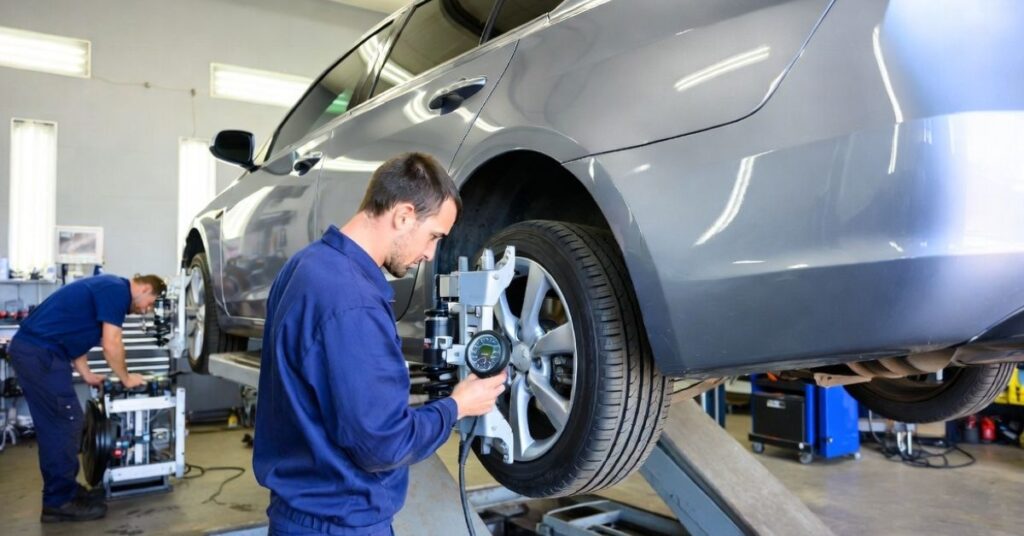
The breakage is not produced instantly in case of the misalignment of the wheels. It begins gradually and increases with time as you continue driving. Most of the drivers are not aware of what is happening until they start having problems with handling or even find their tires treading off very quickly. Bad wheel alignment has an impact on your driving experience, the level of safety, and the amount of money you spend on fixing your vehicle.
These are the most common events that occur when the problem of alignment is not taken into consideration.
Uneven and Faster Tire Wear
Poor alignment makes your tires scratch the road rather than roll. This causes the uneven wear patterns, such as bald edges or worn-out areas in the middle. With time, tires may lose 2530% of their life, which makes them replaceable much earlier than they should have been.
Steering Pull and Poor Control
Another early sign that will be noticed by the drivers is the turning of the steering wheel to the right or left, even when driving on a straight road. This renders driving tiresome and unsafe, especially when driving fast or when on a long trip. Bad wheel alignment means that you have less control on the road and that you are likely to experience sudden steering problems.
Increased Fuel Consumption
When the wheels are not aligned, your car will have to strain to move forward. This additional resistance adds an increment of 5 to 10% to the use of fuel. This might not be picked up, obviously, but with time, it will result in increased fuel expenditure.
Suspension and Steering Damage
Wheels with wrong alignment impose unnecessary pressure on the suspension components, steering components, and bearings of the wheels. In the case of lifted trucks and 4WD cars, this damage can be caused even more quickly. Overlooking problems with alignment could result in expensive repairs to the suspension.
Unsafe Driving Conditions
Mismatch has an impact on braking distance, handling, and stability. When there is an emergency, your car is not going to act the way it is supposed to. With poor wheel alignment, the likelihood of loss of control is high, especially on wet roads or rough roads.
Read About: Average Wheel Alignment Cost: What You Need to Know
How to Fix Wheel Alignment Issues With Professionals
After the issues of wheel alignment appeared, most drivers considered neglecting them or engaging in hasty solutions. But this cannot be found out properly at home. It involves experience, accurate tools, and a good understanding of the suspension systems- particularly that of lifted trucks and 4WD trucks. The most effective and safest method to stop driving with improper wheel alignment is to seek professional assistance in order to avoid the long-term damage to your car.
Complete Vehicle Inspection
Professionals do not begin turning wheels immediately. To begin with, they check your tires, suspension, steering parts, and wheel bearings. Parts that are worn out may influence the alignment and repositioning of the wheels, but repairing them will not solve the problem. This measure will make sure that the alignment will, in fact, hold following the service.
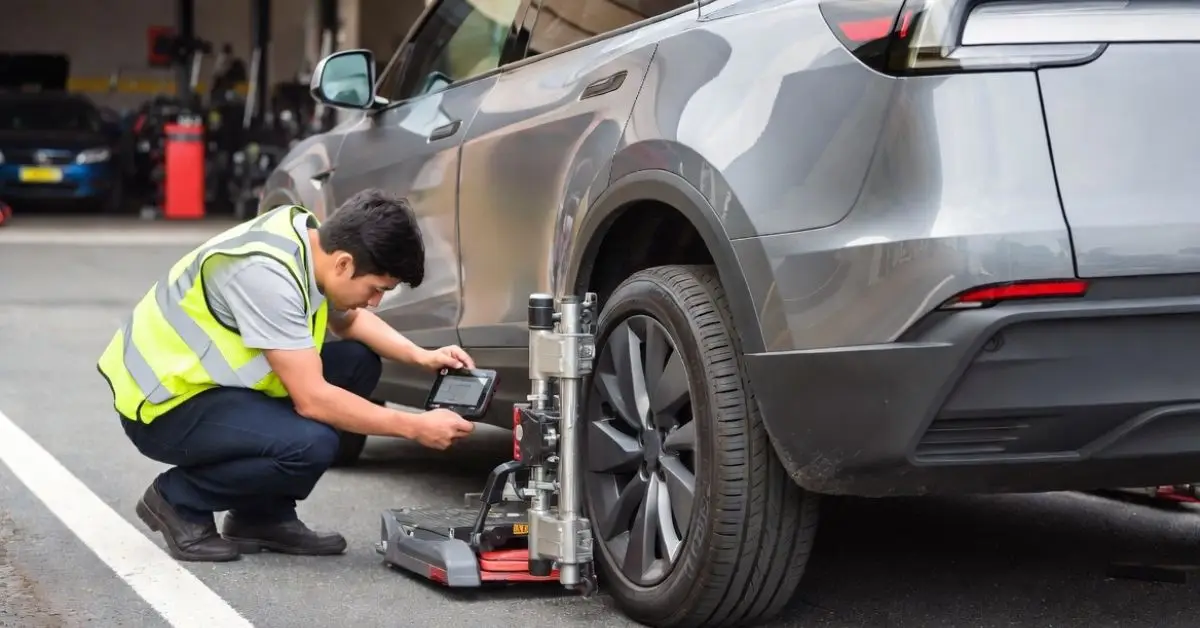
Computerized Wheel Alignment
The current alignment shops involve highly computerized machinery to determine the camber, caster, and toe. These devices are linked to your car to check them against the original settings or lift specifications. Now technicians work out accurate adjustments to ensure all four wheels are in place and increase the quality of steering and tires.
Lifted and 4WD Alignment Expertise.
Lift kits and off-road modifications change suspension, and with professionals, you get specialized trucks and 4WD vehicles to help you make safety. Bad wheel alignment is critical because on a lifted vehicle, it can cause faster tire wear and unstable handling if not aligned correctly.
Road Testing and Final Checks
Professionals then subject the vehicle to a road test after alignment checks to ensure that the vehicle moves straight and that the steering wheel is centred. They also check measurements again to make sure that they are accurate. This is the last stage that will guarantee the safety and stability of your car and its ability to be used in daily driving or off-road.
Why Professional Alignment Matters
A professional wheel alignment service will also save money in the long term by lengthening the life of tires, saving on fuel consumption, and avoiding damage to the suspension. Professional service is better than guessing or procrastinating, and it leaves you at ease and without putting your vehicle in jeopardy of being driven with bad wheel alignment. At Gresham 4 Wheel Drive, expert alignment ensures your vehicle remains safe, stable, and properly set up for reliable performance on every drive.
Maintenance Tips to Prevent Misalignment
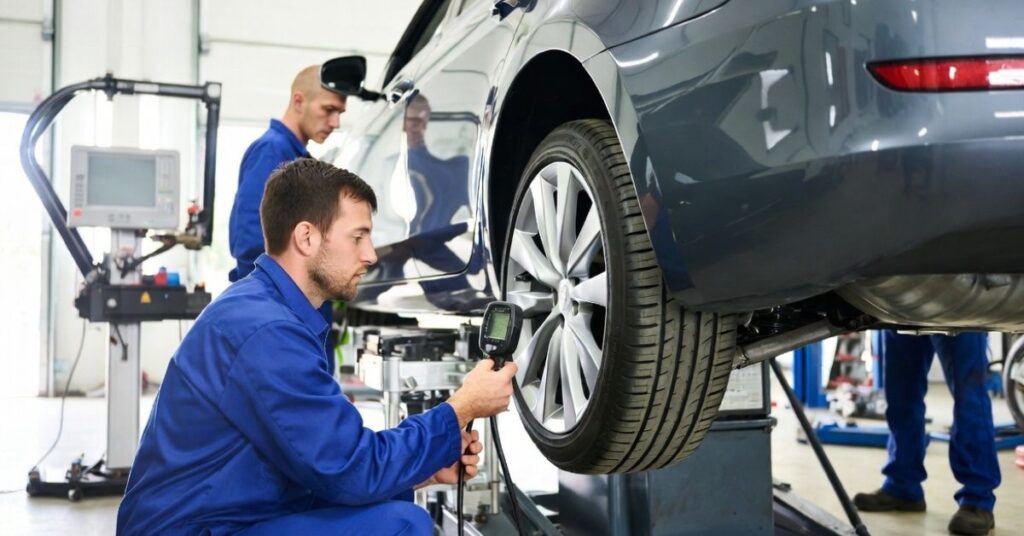
Alignment of wheels issues frequently begin with minor habits that drivers disregard. The positive aspect is that only some basic maintenance procedures can significantly decrease the chances of misalignment. Having your car regularly maintained will assist in avoiding the issue of having poor wheel alignment when driving. You will be able to save on having to repair your car and be able to drive in a smooth manner.
- Rotate your tires: Tire rotation will make tires wear within even patterns and minimize stress on the angles of alignment. Most professionals recommend a periodical change of tires at least once every 5,000 to 8,000 miles.
- Check tire pressure regularly: When driving on inflated or deflated tires, the tires and other suspension parts have uneven pressure, and this may slowly lead to the suspension becoming out of balance.
- Avoid potholes and broken marginality: Wheels Out-of-alignment Wheels can be subjected to immediate knock-out-of-shape when hitting potholes, curbs, or speed bumps at high speed, especially on raised trucks.
- Align following off-road driving: There is a possibility to move suspension parts off-road and across coarse surfaces. Alignment check removes the degradation of the long-term use of off-road.
- Inspect steering and suspension parts: Steering alignment is affected by deteriorated ball joints, tie rods, and bushings. These issues are observed at an early stage by periodic inspections.
- Aligning schedules following lift kits or upgrades: The change of any suspension will alter the wheel angles. Proper post modification alignment stops bad wheel alignment driving and also safeguards your tires.
Read More About: Why Your Steering Wheel Is Still Crooked After Alignment
Conclusion
Wheel alignment, as a matter of concern, might sound like a minor issue, yet, as we have observed, it contributes a lot to the safety and comfort that your car offers when you are on the road. The consequences of driving with bad wheel alignment are silent in the short term, as the variable efficiency of a car in terms of tire wear and steering control, as well as increased fuel prices and damaged suspensions, accumulate over time. Ignoring these warning signs, bad wheel alignment can become a danger to your safety, as well as to the well-being of your car in the long run.
The only proper way to correct the issue is to have it fixed by a professional wheel alignment service, since it is more important in the lifted truck and 4WD car, where the suspension angles are even more important. Frequent checkups, proper maintenance practices, and timely alignment services are among the factors that can be done to avoid expensive repairs and prolong the tyre life.
By remaining active and not putting off alignment problems, you save your money, enhance the process, and have a safer ride. In simple words, it is one of the wiser measures to take to keep your vehicle running and safe by always making sure not to drive with poor wheel alignment.