Key Takeaways
- A truck topper offers maximum protection and extra vertical storage, making it ideal for work and off-road use.
- A tonneau cover is lightweight and low-profile, best suited for daily driving and travel.
- Truck toppers add weight and can affect handling, while tonneau covers have minimal impact on performance.
- Tonneau covers provide quicker and easier bed access, whereas toppers focus on full enclosure and security.
- Choosing between a topper vs tonneau cover depends on your usage needs, lifestyle, and security priorities.
The short answer: A truck topper gives you maximum weather protection, full enclosure, and vertical storage height. It is best for contractors, work trucks, and overlanding. A tonneau cover is lightweight, low-profile, and aerodynamic. It is best for daily driving, road trips, and anyone who wants easy bed access with a slight fuel economy benefit.
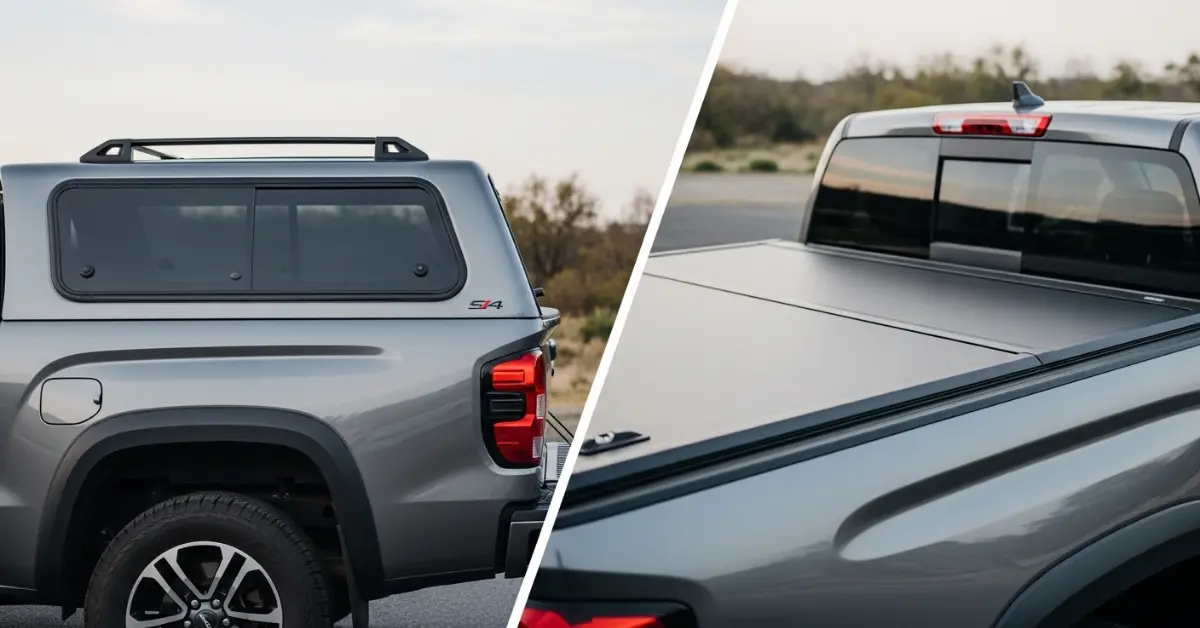
If you’re comparing a Topper vs Tonneau cover for your truck, the first thing to know is the terminology. A truck topper, truck cap, and camper shell are the same thing: a hard shell that fully encloses your truck bed with extra vertical height. A tonneau cover is a flat, low-profile cover that lays over the bed rails. Both protect your cargo, but in very different ways.
Owning a pickup means using it for many things: one day for work, the next for a road trip or weekend adventure. As soon as you start hauling tools, luggage, or gear, bed protection becomes a real priority. The choice between a topper and a tonneau cover is one of the most common questions truck owners ask us at Gresham 4 Wheel Drive & Alignment before an install.
This guide compares a topper vs. a tonneau cover on cost, security, weather protection, storage, fuel economy, and how each one affects a lifted or leveled truck, so you can choose with confidence.
What Is a Truck Topper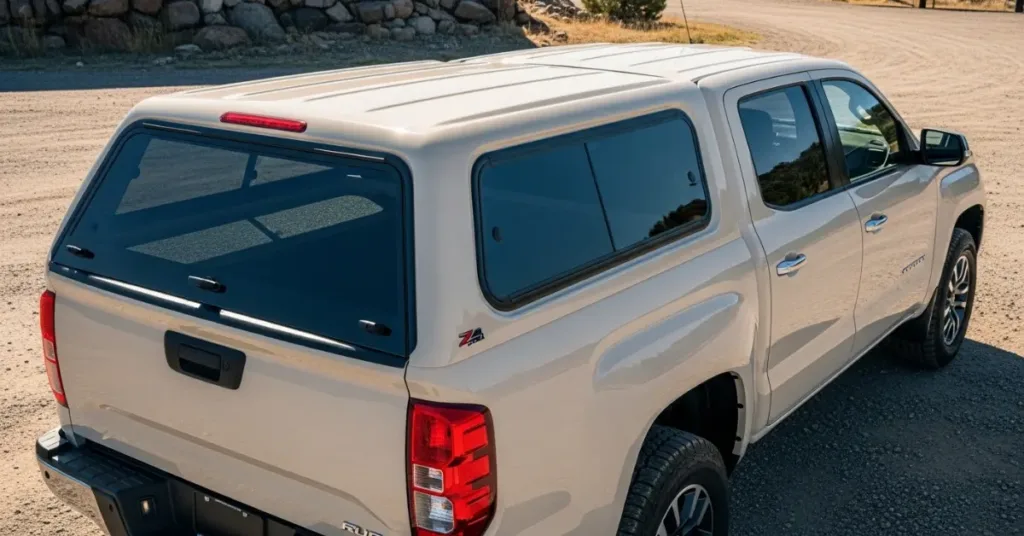
A truck topper is a rigid hardshell that mounts to your truck bed rails and fully encloses the bed, extending the roofline from the cab to the tailgate. It goes by several names: truck cap, camper shell, and truck canopy all refer to the same thing. So if you’ve been searching “truck cap vs tonneau cover” or “camper shell vs tonneau cover,” you’re comparing the same accessory against a tonneau, just under a different name.
From the outside, a topper looks like a natural extension of the cab. Inside, it turns your open truck bed into a fully weather-sealed, lockable storage area protected from rain, dust, heat, and theft. Most are built from fiberglass, which can be color-matched to your truck, or aluminum, which is lighter and more durable for heavy work use.
The biggest advantage over a tonneau cover is vertical storage height. A topper lets you carry tall or bulky items that won’t fit under a flat cover, making it the go-to choice for contractors, campers, and anyone hauling large equipment regularly. Most toppers also include side windows and can be fitted with roof racks for additional capacity.
The main trade-off: a topper adds significant weight, which can affect handling and fuel efficiency if your suspension and alignment aren’t properly set up after installation. At Gresham 4 Wheel Drive & Alignment, our team can check your ride height after a topper install to help keep handling steady and tire wear even.
How Does It Work?
A truck topper mounts to your bed rails with clamps or mounting hardware. Once it is installed, it stays stable on highways and rough roads, so most owners treat it as a semi-permanent part of the truck.
Rubber seals along the edges keep rain, dust, and wind out of the bed. Combined with locking doors and windows, this turns the bed into a secure storage area for tools, luggage, and outdoor gear. Your cargo stays covered and out of sight, unlike an open bed or a soft cover.
Access is usually through a rear hatch, and many toppers also have side windows. This makes it easier to load, unload, and organize items inside the bed.
Key points to know:
- Mounts to the bed rails with clamps or hardware.
- Covers the bed completely to keep out the weather.
- Rear and side access for easier loading.
- Adds weight, so proper fit and suspension setup matter.
Also Explore: Lomax Tonneau Cover vs BakFlip Tonneau Cover Full Review
What Is a Tonneau Cover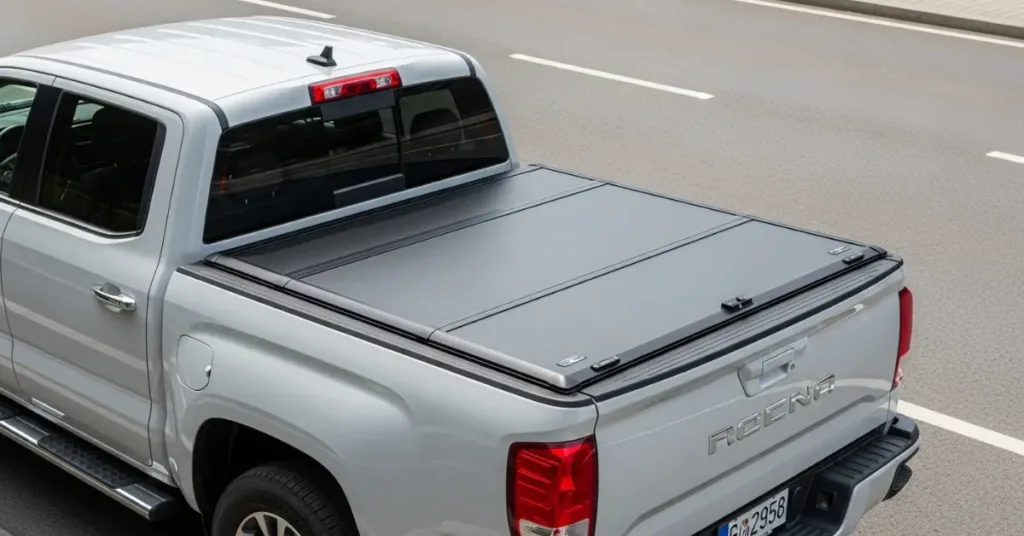
A tonneau cover is a low-profile cover that fits over your truck bed and gives your pickup a clean, streamlined look. Unlike a topper, it does not enclose the bed or add height, but it still protects your cargo from rain, dust, and sun. Many truck owners choose a tonneau cover for its looks, easy access, and small fuel-economy benefit.
Tonneau covers are of various types according to the needs. Soft roll-up bed covers are vinyl-based, and they can be rolled up to give full access to the bed. Hard folding/retractable covers are composed of aluminum or composite material and provide added protection, while also being easy to open. The right type depends on whether you want maximum security, quick access, or a budget-friendly option.
The biggest benefit of a tonneau cover is its low profile. It is light, sits flush with the bed rails, and has little effect on handling, which makes it a good fit for city driving and long highway trips. Reduced drag can also give a small fuel-economy benefit, although results vary by truck and cover type. Installation is usually simple, and many covers can be removed without tools.
Tonneau covers are ideal for daily driving and smaller loads. They keep cargo out of sight and out of the weather, and a locking hard cover adds real theft protection while keeping your truck looking clean. Convenient, and an ideal option for truck owners who desire easy access, security, and a clean look with features such as locking hard covers or soft foldable covers.
How Does It Work?
A tonneau cover spreads across the top of your truck bed to create a barrier over your cargo. Unlike a topper, it does not fully enclose the bed, but it keeps out rain, dust, and sun and hides your items from view.
Soft covers use vinyl or fabric and roll or fold back to open up the bed. Hard covers use aluminum or composite panels that fold, slide, or retract in sections. Both are built to stay in place while you drive and to keep cargo secure.
Most tonneau covers attach to the bed rails with clamps, tracks, or rails. Because the cover sits flush with the rails, it has very little effect on weight or handling.
Key points to know:
- Sits flat over the bed for low-profile protection.
- Soft covers roll or fold; hard covers fold, slide, or retract.
- Quick access to your cargo.
- Attaches with clamps or rails, with minimal effect on weight and handling.
Why Do So Many Trucks Have One?
Tonneau covers are adopted for several pragmatic reasons by truck owners. They provide security, fashion, and comfort at one price. The motives behind the large number of pickups having a tonneau cover can prove advantageous in deciding whether or not to use the topper or the tonneau cover, and which one would best fit your truck. Covering the Cargo against the Weather:
A tonneau cover is a type of cover that can be used to shield your tools, groceries, or travel items against the weather, rain, snow, dust, and sun. As opposed to an open truck bed, the goods are always dry and clean, regardless of the weather. It particularly comes in handy with individuals who utilize their trucks to work or for adventurous outdoor activities.
- Weather Protection: A tonneau cover shields tools, groceries, and travel gear from rain, snow, dust, and sun, so cargo stays dry and clean.
- Security and Theft Protection: Most hard folding and retractable covers lock, which keeps valuables out of sight and protected. You get added security without the weight of a full topper.
- Looks and Fuel Efficiency: A flush, low-profile cover keeps the truck’s clean look and can reduce drag, which may help fuel economy slightly.
- Convenience and Flexibility: Soft covers roll back and hard covers fold or slide, so loading and unloading stay easy for city trips and weekend getaways.
Also Explore: How to Install a Hard Tonneau Cover Like a Pro
Topper vs Tonneau Cover – Key Differences That Actually Matter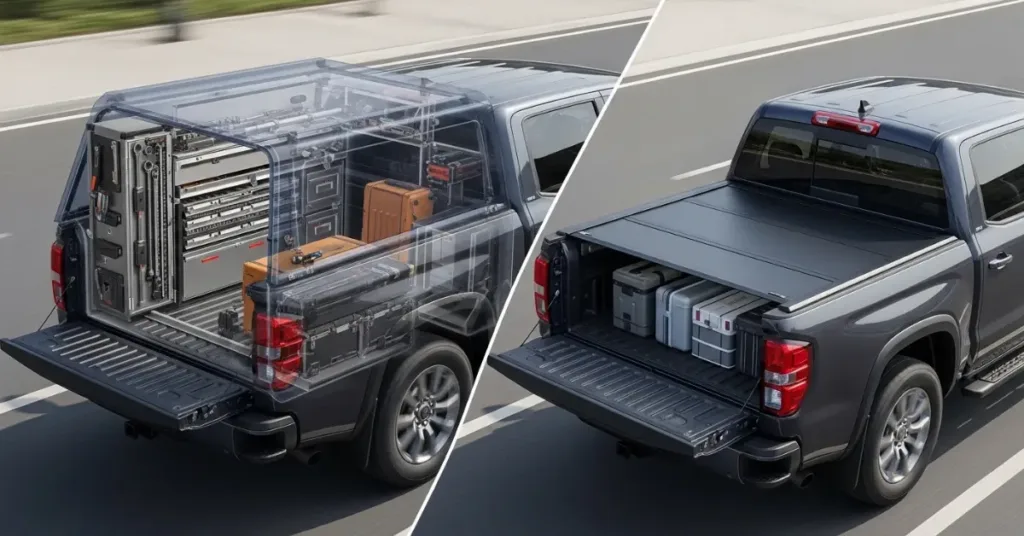
When deciding on a topper or a tonneau cover, it is not a matter of choosing a style. They both can secure your truck bed, but each in a very different manner. Knowing their major distinctions will help you determine which is appropriate for your truck and life. Whether it is carrying out daily errands or going on the road, both solutions have their pros and cons that are significant in real-life cases.
Quick Differences Table
| Truck Topper / Cap / Camper Shell | Tonneau Cover | |
|---|---|---|
| Coverage | Full enclosure, vertical height | Flat, low-profile over bed rails |
| Weather protection | Maximum fully sealed | Good keeps out rain and dust |
| Security | High lockable hard shell | Good (hard covers) to moderate (soft covers) |
| Bed access | Rear hatch + side windows | Roll up, fold, or retract |
| Storage height | Increased fits tall items | Limited to bed height |
| Weight impact | Significant affects handling | Minimal near-stock performance |
| Fuel economy | Slight decrease vs open bed | Slight improvement vs open bed |
| Best for | Work, overlanding, camping | Daily driving, road trips, commuting |
| Cost range | $800 to $3,000+ | $200 to $1,500 |
| Installation | Semi-permanent, professional recommended | DIY-friendly, clamps to bed rails |
1. Coverage and Protection
The truck topper is a complete enclosure for your truck bed and offers maximum protection against weather, dust, and theft. It also gives you room for tall gear that would not fit under a flat cover. In comparison, a tonneau cover sits flat on the bed rails and does not add height. The extent of coverage will be significant to the kind of transport you carry regularly.
2. Access and Convenience
The tonneau covers have been made to be easy to access. The soft roll-ups or retractable covers will enable you to open the bed without climbing in and/or removing panels. Toppers tend to consist of a rear hatch, and a bigger cargo area can necessitate access within the bed. In case you often have to load and unload small objects, a tonneau cover may be a more practical option for your daily activities.
3. Weight and Truck Handling
Toppers put a lot of weight on your truck, and this may cause a handling problem and a reduction in fuel efficiency unless the suspension and alignment are altered. Tonneau covers are very light, and they are not high above the bed; thus, they do not affect performance at all or only slightly. In the case of lifted trucks or off-road vehicles, weight factors may make a critical impact on the decision.
4. Security and Long-Term Value
Both options are safer than an open bed, but a topper gives the most protection because it fully encloses the cargo area. Installing a hard tonneau cover locks and helps prevent theft, while soft covers are easier to cut or open. When you compare security, lifespan, and long-term value, think about what you carry and how long you plan to keep the truck.
5. Cost and Value
A tonneau cover is usually the lower-cost option, with typical prices from about $200 to $1,500 depending on whether you choose a soft roll-up or a hard folding or retractable cover. A truck topper generally costs more, from about $800 to $3,000 or more depending on material, color matching, and features like side windows and roof racks.
6. Durability and Lifespan
Toppers are rigid and built to stay on the truck for years, and fiberglass or aluminum shells hold up well to weather and daily use. Hard tonneau covers also last well, but soft vinyl covers can wear, fade, or tear sooner, especially with sun and heavy use. If lifespan matters to you, a hard tonneau cover or a topper usually gives better long-term value than a soft cover.
Also Know About: The Smart Way to Know How to Choose a Tonneau Cover
Which One Is Better for Work, Travel, and Off-Road Use?
A truck topper would be the preferred choice in terms of work-related use. It has a fully enclosed truck bed, better cargo security, and weather protection that is ideal for the transportation of tools, equipment, and materials. The additional height also means that it will be easier to organize and store large objects that will not fit in a low-profile cover.
A tonneau cover can be more practical when it comes to travelling. It secures the luggage and personal equipment against the rain and dust, and still has a sleek and aerodynamic appearance. Road trips with tonneau covers are the favorite choice of many truck owners since the covers make them more convenient and a little bit more fuel-saving when taking long rides.
The off-road application requires practicality and durability. The truck toppers are great for covering camping equipment, recovery equipment, and goods during travel through mud, sand, and other rocky roads. Meanwhile, tonneau covers will be attractive to off-roaders who desire easy access to gear and the ability to take off the tonneau cover when it is necessary.
Ultimately, it depends on how you use your truck. A topper is better for heavy work and long off-road trips, while a tonneau cover suits travel, daily commuting, and lighter off-road use. Knowing your priorities will allow you to select the appropriate setup to give you the maximum performance and comfort.
Also Explore: Which Is Better Roll Up or Tri Fold Tonneau Cover? Revealed
Conclusion
Choosing between a truck Topper vs Tonneau Cover depends largely on how you plan to use your truck. Truck toppers are the best in scenarios where there is a necessity to have maximum cargo protection, security, and additional vertical storage space. They are ideal for workplaces and off-road use, where dust, mud, and theft of equipment are real concerns.
On the other hand, tonneau covers are best suited for people who prioritize ease, convenience, and a smooth, aerodynamic look. They keep your cargo dry and clean, and at the same time save you on fuel and still retain the low-profile appearance of the truck. Tonneau covers are a viable solution when it comes to travelling, road trips, and daily driving without having to trade off style.
For off-roaders, it is a matter of trade-off between protection and flexibility. Truck toppers give maximum storage for long trails, and tonneau covers give easy access to necessary items such as recovery tools, camp tools, or spares. Others use both options altogether to ensure maximum versatility, depending on the kind of journey or work to do.
Finally, the most desirable decision is determined by priorities and lifestyle. Whether you need rugged security, easy access, or a balance of both, the right choice is the one that fits how you use your truck. Gresham 4-Wheel Drive & Alignment is all you need to ensure that your truck is ready to work, travel, or even for off-road activities, as far as professional installation and high-quality truck toppers, tonneau covers, and 4X4 accessories are concerned.
FAQ’s
Q: Is a truck cap the same as a tonneau cover?
No, a truck cap (also called a topper or camper shell) is a rigid shell that fully encloses your truck bed with vertical height. A tonneau cover is a flat cover that lays over the bed rails. Both protect cargo, but a cap gives full enclosure and more storage height, while a tonneau cover is lower-profile and easier to access.
Q: Is a truck topper the same as a camper shell?
Yes, truck topper, truck cap, and camper shell all refer to the same accessory: a hard shell that mounts to your bed rails and fully encloses the truck bed. The terminology varies by region and manufacturer, but the product is the same.
Q: What is a tonneau cover?
A tonneau cover is a flat, low-profile cover that protects your truck bed cargo from weather and theft. It sits flush with or just above the bed rails and comes in soft roll-up, hard folding, and retractable versions. The word “tonneau” comes from French, originally referring to the rear open compartment of an early automobile.
Q: Which has better fuel economy, a topper or tonneau cover?
A tonneau cover generally provides better fuel economy than a topper. Tonneau covers sit low and flat, improving aerodynamics by reducing bed turbulence. Toppers add height and weight, which can slightly reduce fuel efficiency compared to both a tonneau cover and an open bed. The difference is usually small and varies by truck, cover type, and driving conditions.