If you own a Chevy Trail Boss or Silverado, you already know how much a leveling kit can transform the appearance and performance of your truck. It eliminates the factory front-end rake, gives your truck a more aggressive, balanced stance, and opens up clearance for larger tires without the cost of a full suspension lift, which is exactly why it’s one of the most popular upgrades on the market today.
But Trail Boss leveling kit problems are real. Uneven tire wear, steering pull, misalignment, and handling changes show up more often than they should, and these issues don’t just affect how your truck performs on the road; they affect overall safety, too. Almost always, they trace back to the same root causes: improper installation, skipped wheel alignment, or worn suspension components that weren’t inspected before the kit went on.
At Gresham 4 Wheel Drive, we see a high number of trucks arrive with problems that were entirely preventable: poor installation, missed alignments, or simply a lack of knowledge about suspension maintenance after the upgrade. This guide covers everything you need to know: what Trail Boss leveling kit problems look like, why they happen, how to fix them, and how to avoid them entirely, whether you’re a first-time installer or an experienced 4×4 owner looking to get the most out of your ride.
What is a Trail Boss Leveling Kit?
A Trail Boss leveling kit is a suspension upgrade that raises the front of your truck to sit level with the rear. Factory trucks are mostly slightly raked, i.e., the back is slightly higher than the front. That factory rake helps with towing and hauling, but many owners prefer a more aggressive, balanced look, which a leveling kit delivers without the cost of a full suspension lift.
A Trail Boss leveling kit normally lifts the front by 1 to 2 inches. It may come with parts such as spacers, torsion keys, or advanced upgraded shocks, and as per your model of a truck. This increased clearance allows more significant tires, and it can also be used on rough terrain, which increases the versatility of your truck.
In addition to appearance, a leveling kit influences the suspension system, steering, and the ride of your truck. When installed incorrectly, it can throw off your alignment, cause uneven tire wear, or change how the truck handles. That’s why leveling kit installation and a proper post-install wheel alignment should always be done by a professional.
At Gresham 4 Wheel Drive, we treat a leveling kit as more than a cosmetic upgrade. It affects the performance of your truck on highways and off-road trails, and knowledge of the functioning will assist in avoiding typical issues with Trail Boss leveling kits in the future.
Also Explore: Difference Between Lift and Leveling Kit for Vehicle
Common Trail Boss Leveling Kit Problems
Although a Trail Boss leveling kit can enhance the stance of your truck and its off-road capabilities, after making the purchase, most Trail Boss leveling kit owners face Trail Boss leveling kit problems. Most of these problems normally occur during improper installation of the kit or when maintenance, such as wheel alignment, is not done. At Gresham 4 Wheel Drive, it is a common occurrence to receive a truck with issues that could have easily been prevented by simply installing and checking it correctly. By knowing these problems, truck owners can avoid long-term damage and provide good ride quality.
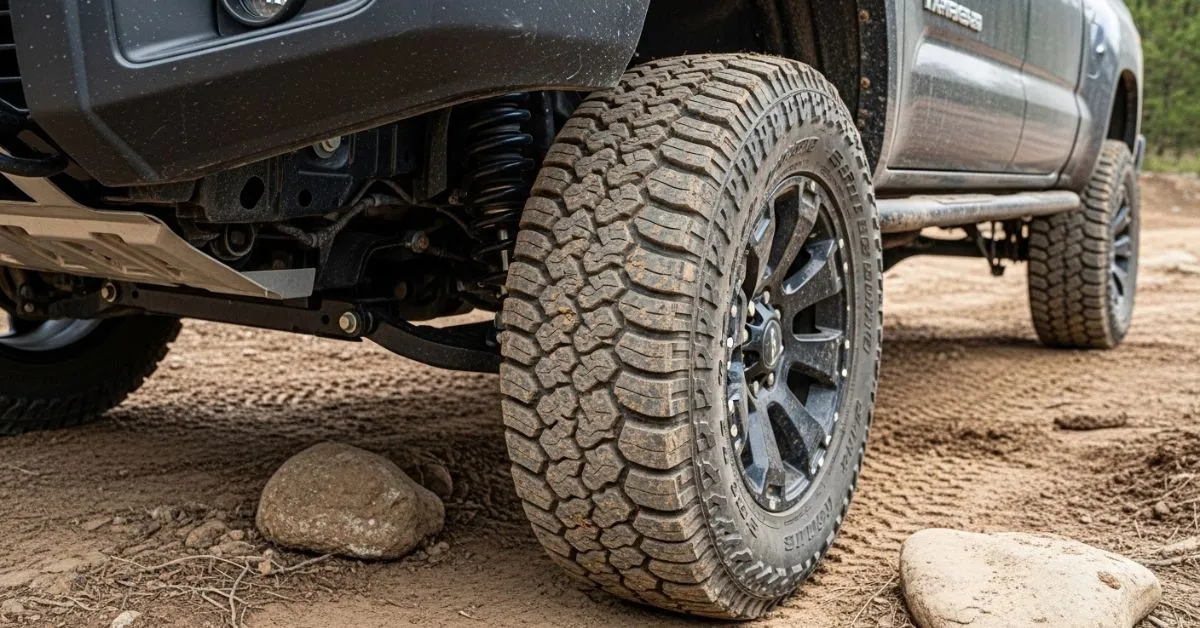
- Uneven Tire Wear: This is one of the most frequent issues that occurs after installing a leveling kit: uneven tire wear. The adjustment of the front will alter the suspension geometry, which may upset the wheel alignment. Unless the tires are correctly aligned following the lift, there are places where the tires wear more quickly than others. This reduces tire life, as well as potentially impacting handling and stability.
- Alignment and Steering Issues: Incorrect installation may result in the pulling of the truck towards one side or the instability of steering. Misaligned suspension is an issue that influences the behavior of your wheels on the road, resulting in a shaking or deviated steering wheel. Even minor problems with alignment may, over time, result in accidents occurring on highways or off-road trails.
- Rough Ride and Handling Changes: A leveling kit has an impact on shock angles and suspension performance. Unless the kit is installed correctly, there are several truck owners who notice a rougher ride or worse handling accuracy. The suspension geometry can be modified to make the truck feel unstable, either at high speeds or on uneven ground, thus making the drive in the truck less comfortable and potentially unsafe.
- Sway and Noise Problems: This is also another issue, and some of the owners complain that they experience when driving; they are swaying or noises. Squeaks, rattles, and body roll can be caused by loose bolts, incorrect torque, or bushings. These are some of the typical truck suspension problems following the lifting of the front, and can be prevented through professional installation and frequent checkups.
By knowing these common Trail Boss leveling kit problems, owners can take steps to prevent or fix them and keep the truck safe, reliable, and looking its best.
Explore More: Types of Levelling Kits Explained: Which One Is Best?
Benefits of a Properly Installed Trail Boss Leveling Kit
A properly installed Trail Boss leveling kit does more than just make your truck look better. When properly done, it enhances performance, handling, and off-road. Not all truck owners think about the importance of a professionally installed leveling kit, which can improve comfort and safety. Gresham 4 Wheel Drive observes the contrast between properly installed trucks and those that were not.
1. Improved Truck Stance and Appearance
The Trail Boss leveling kit balances the front and the rear of your truck in seconds. This gives your truck a stronger, more balanced stance and real presence on the road. In addition to aesthetics, the level position contributes to your truck being more in control and improves its look, general presence, and confidence when driving.
2. Better Tire Clearance for Larger Wheels
A leveling kit can be used to install larger tires without scraping against the fenders and the body parts of the suspension. This additional clearance is particularly convenient in off-road trails or rough road conditions. The installation of bigger tires and their proper installation improves traction, ground clearance, and highway grip in all sorts of circumstances.
3. Enhanced Off-Road Performance
The geometry of the suspension is properly fitted and thus improves stability during the turning over of rocks, mud, or rough roads. The leveling kit will offer your truck more approach angles, and the risk of damaging the undercarriage will be reduced. With the appropriate kit, off-road recreational activities are safer and fun.
4. Maintained Ride Quality and Handling
A leveling kit maintains a high-quality ride and controllable steering when fitted by professionals. Correct torque, alignment, and inspection of the suspension avoid typical Trail Boss leveling kit issues such as steering pull or low tire tread wear. This keeps your truck handling well on both highways and off-road trails.
Done right, a Trail Boss leveling kit looks good, performs well, and stays safe; the key is professional installation so you get every benefit without problems down the road.
Explore More: Pros and Cons of a Leveling Kit: You Must Know
Silverado Leveling Kit Problems: What 1500 and 2500HD Owners Face
The Trail Boss package comes standard on select Silverado 1500 trims, but leveling kit problems on the Silverado show up slightly differently depending on whether you’re running a 1500 or a heavy-duty 2500HD.
Silverado 1500 leveling kit problems:
The Silverado 1500’s independent front suspension is sensitive to geometry changes. The most common problems reported after leveling kit installation on the 1500 are:
- Front-end shimmy at highway speeds is usually caused by worn ball joints that were already marginal before the kit was installed. The leveling kit changes the load angle on the front suspension, which accelerates wear on components that were already close to their limit.
- Uneven tire wear on the front axle is almost always a sign of a skipped or improperly done wheel alignment after installation. The 1500’s suspension is precise enough that even a small alignment deviation causes noticeable feathering or one-sided wear within a few thousand miles.
- CV axle binding on Silverado 1500s with lifts above 2 inches: the CV axle angle can exceed its designed operating range. Quality upper control arms (UCAs) resolve this on kits above 1.5 inches.
Chevy 2500HD leveling kit problems:
The 2500HD uses a different front suspension setup: torsion bar on older models, coilover on newer configurations, which creates its own set of considerations:
- Torsion bar adjustment issues on older 2500HD models: leveling is done by adjusting the torsion bars rather than adding spacers. Over-adjusting puts excessive preload on the torsion bars, leading to a harsh ride and accelerated wear on the front end.
- Alignment difficulty: the 2500HD’s heavier suspension takes more time and precision to align correctly after leveling. Shops without heavy-duty alignment equipment often struggle to get the specs right on these trucks.
- Brake line stress on lifted 2500HDs: brake line routing needs to be verified after installation to ensure lines aren’t stretched or binding.
For both 1500 and 2500HD owners: professional installation with a post-install alignment specific to your truck’s suspension type is the single most effective way to avoid every problem on this list.
How to Fix Trail Boss Leveling Kit Problems
If you have some trouble with the Trail Boss leveling kit, there is nothing to panic about, since in the majority of cases it is possible to fix it. The causes of these issues normally include misalignment, faulty installation, or neglected suspension components. By repairing them, you guarantee that your truck is safe to operate, drives well, and performs well in the long run. At Gresham 4 Wheel Drive, we take each truck owner through problem-solving solutions that ensure that no future problems arise, even as we restore the best performance of the truck.
Step 1: Get a Professional Wheel Alignment
A large number of leveling kit issues are associated with misaligned wheels. Lifting the front will vary your suspension and steering angles, which may result in uneven tire treads or steering pull. Post-lift professional wheel alignment. Your tires are supposed to be tracking in the right direction; this will minimize wear and increase the handling effectiveness on the highway as well as off-road trails.
Step 2: Inspect and Upgrade Suspension Components
In other instances, the suspension components of the stock do not even have the capacity to support the additional weight of a leveling kit. There can be older shocks, struts, or bushings that will influence the ride quality and stability. The replacement or revision of these components will define the proper functioning of the suspension system and avoid future problems with the suspension in the truck as a result of improper allocation of the load or an augmentation of the workload on the joints.
Step 3: Check and Correct Tire Fitment
Wrong tire size or wrong installation would lead to rubbing, uneven wear, or bad traction. To avoid this type of trouble, you need to make sure that your tires are installed on the lift and that they are balanced. The right fitting of tires is also an addition to off-road activity, as it is used to circumvent the destruction of our suspension parts.
Step 4: Tighten Bolts and Inspect Regularly
With a leveling kit, bolts, nuts, and control arms have possibilities of becoming old after considering vibrations and stress over time. Rattling, squeaks, and sway are negated through regular check-ups and proper torque levels. When it comes to making safe and reliable use of your Trail Boss leveling kit, proper maintenance is the thing to do when it comes to a few years of usage.
These measures, together with the assistance of professional services, should allow fixing the current problems with the Trail Boss leveling kit and own a level, safe, and comfortable truck to drive. This is all possible through proper installation and later maintenance, which will lead to high costs of repairing it in the future.
Also Know About: How Much Is a Leveling Kit? Cost and Benefits Guide
Trail Boss Leveling Kit: Before and After: What Actually Changes
| Aspect | Before (Stock) | After (Leveling Kit) |
|---|---|---|
| Front ride height | 1–2 inches lower than the rear | Level with the rear |
| Stance | Nose-down rake | Balanced, aggressive |
| Front tire clearance | Limited to stock tire size | Room for 1–2″ larger tires |
| Ground clearance (front) | Stock | +1 to 2 inches |
| Ride quality | Stock | Nearly identical when installed correctly |
| Wheel alignment | Factory spec | Must be reset after installation |
| Towing geometry | Factory rake maintained | Slightly altered; monitor for sag under load |
What doesn’t change: your payload rating, your powertrain warranty (when installed professionally), and your everyday driving comfort, provided alignment is done correctly after installation.
Conclusion
Installed in a proper manner, a Trail Boss leveling kit has the potential to change the appearance, performance, and off-road capability of your truck entirely. But many owners run into Trail Boss leveling kit problems when the kit isn’t installed correctly or maintenance is skipped. Awareness of these possible issues is the initial step toward the prevention of those and maintaining your truck’s safety and reliability.
The most important step to prevent these problems is professional lift kit installation and post-lift wheel alignment. Suspension components should be checked, proper tire fitment should be ensured, and regular inspections should also be done to maintain the quality of ride and handling. At Gresham 4 Wheel Drive, we suggest employing the services of the most skilled technicians who are knowledgeable in suspension, geometry, and performance on the road.
A Trail Boss leveling kit, when done right, will not only give the truck a better appearance, but it will also alter the off-road performance, the tire clearance, and the overall stability of the truck. Even after planning and taking into account the problems that are more likely to happen, you can still enjoy the entire benefit of the leveled truck without losing a bit of safety or performance.
Your truck should be well taken care of. Don’t waste money on a cheap kit or a rushed install. Invest in professional installation and regular maintenance, and your leveling kit will last longer, perform better, and keep your truck safe and ready for anything.
Frequently Asked Questions
Q: Do leveling kits cause problems on a Chevy Trail Boss?
They can if the kit is installed without a proper post-install alignment or without inspecting the front suspension first. The most common Trail Boss issues are uneven front-tire wear, steering pull, and front-end shimmy, nearly all preventable with a correct install and alignment.
Q: Is a leveling kit bad for a Silverado 1500?
Not when it’s done right. The 1500’s independent front suspension is sensitive to geometry changes, so kits above 1.5 inches usually need quality upper control arms to keep CV axle angles in range and avoid binding.
Q: Will a 2-inch leveling kit damage my Trail Boss?
A 2-inch kit is generally safe on a Trail Boss when installed correctly and followed by an alignment. Problems appear mainly from skipped alignments or worn ball joints that were already marginal before the kit.
Q: How much does it cost to fix Trail Boss leveling kit problems?
Most fixes come down to an alignment, and sometimes upgraded control arms or shocks. A post-install alignment is the single most cost-effective step.
Q: Should I have a Silverado 2500HD leveled professionally?
Yes, the 2500HD’s heavier suspension (torsion bar on older models) needs precise adjustment and heavy-duty alignment equipment. Over-adjusting torsion bars causes a harsh ride and faster front-end wear.